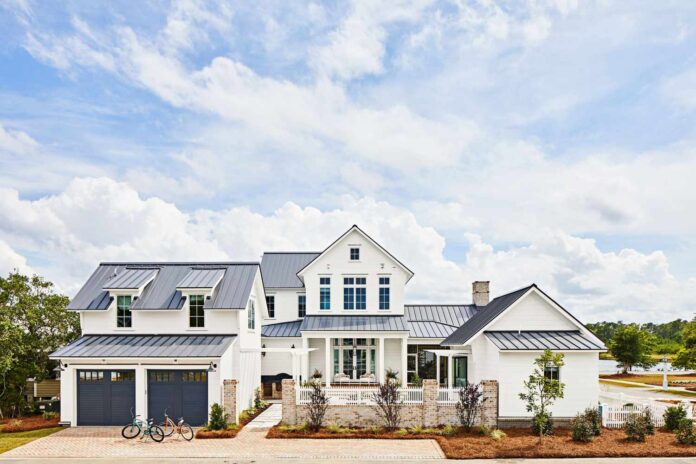

Building a home near the coast involves more than selecting an attractive design or choosing a desirable location. Coastal environments introduce unique conditions that influence everything from site planning and material selection to structural design and long-term maintenance. Homeowners who understand these factors are better prepared to create homes that are comfortable, durable, and well suited to their surroundings.
Rather than applying the same construction methods used in other regions, coastal homebuilding requires thoughtful planning that responds to the local environment.
Coastal Conditions Shape Every Design Decision
Homes built along the South Carolina coast face challenges that differ from inland properties. Salt air, high humidity, heavy rainfall, and seasonal storms can affect both exterior materials and structural components over time.
During the planning stage, builders typically evaluate:
- Wind exposure
- Drainage and grading
- Flood zone requirements
- Soil conditions
- Sun orientation
- Ventilation needs
These site-specific considerations help guide decisions that improve long-term durability while supporting everyday comfort.
Material Selection Matters
The materials used in coastal construction play an important role in reducing maintenance and extending the lifespan of a home.
Exterior Finishes
Moisture-resistant siding, corrosion-resistant fasteners, durable roofing systems, and high-performance windows are commonly selected to withstand coastal conditions.
Interior Materials
Inside the home, homeowners often choose finishes that tolerate changing humidity levels while remaining easy to maintain. Engineered flooring, quality cabinetry, and moisture-resistant paint systems are popular options in many coastal homes.
Selecting materials based on performance not just appearance can help reduce future repairs.
Designing Around Outdoor Living
One of the defining characteristics of coastal homes is the strong connection between indoor and outdoor spaces. Pleasant weather and scenic surroundings encourage layouts that make outdoor areas part of everyday life.
Common design features include:
- Covered porches
- Outdoor kitchens
- Large sliding or folding glass doors
- Spacious patios
- Shaded gathering areas
These spaces extend the home’s living area while creating opportunities for relaxation and entertaining throughout much of the year.
Planning for Long-Term Performance
A successful coastal home balances aesthetics with resilience. Beyond attractive finishes, construction methods should account for the local climate and environmental conditions.
Many homeowners working with custom home builders in Charleston SC prioritize thoughtful site planning, moisture management, durable construction materials, and layouts designed specifically for Lowcountry living. These considerations help create homes that perform well over time while complementing Charleston’s distinctive architectural style.
Respecting Local Architecture
Charleston is known for its rich architectural heritage, and many new homes draw inspiration from traditional Lowcountry design while incorporating modern conveniences.
Common architectural elements include:
Elevated Ceilings
Higher ceilings encourage better airflow and create bright, open interiors.
Generous Windows
Large windows maximize natural light while strengthening the connection between indoor spaces and the surrounding landscape.
Timeless Exterior Design
Front porches, simple rooflines, and carefully selected materials allow new homes to blend naturally with established neighborhoods while supporting modern lifestyles.
Balancing Lifestyle and Practicality
Coastal homes should not only look appealing but also function efficiently throughout the year. Flexible floor plans, dedicated storage, energy-efficient systems, and adaptable living spaces help accommodate changing household needs without sacrificing comfort.
Thoughtful planning also makes future maintenance easier, allowing homeowners to enjoy their investment with fewer unexpected challenges.
Common Questions
Are coastal homes built differently than inland homes?
Yes. Coastal construction often requires additional attention to moisture control, wind resistance, material durability, and site conditions to improve long-term performance.
Why is site planning so important?
Every coastal property has unique characteristics, including elevation, drainage, and environmental exposure. Evaluating these conditions early helps guide design and construction decisions.
Can modern homes still reflect Charleston’s traditional style?
Absolutely. Many custom homes combine contemporary layouts and energy-efficient features with architectural details inspired by the region’s historic character.
Conclusion
Coastal home construction requires a thoughtful approach that goes beyond visual design. Environmental conditions, material performance, site planning, and regional architectural influences all contribute to creating a home that is both functional and enduring. By considering these factors from the beginning, homeowners can build residences that reflect Charleston’s coastal lifestyle while providing comfort, resilience, and lasting value.