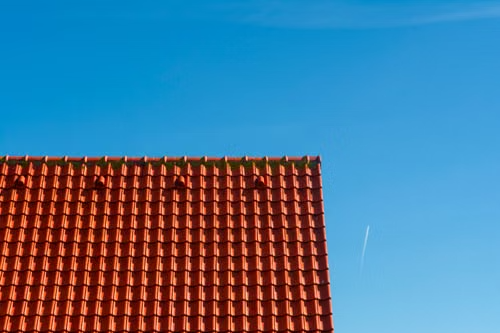

A home roof works harder in Boulder than it would in a lot of places. Between heavy winter snow, strong winds rolling down from the foothills, intense Colorado sunshine, and the occasional hailstorm, it takes a beating throughout the year. That’s why even a roof that looked perfectly fine a few seasons ago can start showing signs of wear before you expect it. The good news is that roofing problems usually leave clues before they turn into expensive repairs. Knowing what to watch for can help Boulder homeowners address small issues early and decide whether a repair is enough or if it’s time to start thinking about a replacement.
Clues up top
Some roof problems are easy to spot, even from your driveway. You might see missing shingles, dark streaks, sagging spots, or little piles of granules near the gutters. Those signs usually mean your roof is wearing down and not handling weather like it used to.
If you keep patching the same areas or notice damage after every big storm, it may be time to talk with a local Boulder roofing contractor about whether replacement makes more sense than another short-term fix. That’s not being dramatic. It’s just smart home maintenance.
You should also pay attention to what happens inside your house. A roof can look almost fine from below while quietly letting moisture creep in. If your home starts smelling musty upstairs or you notice peeling paint near the ceiling, your roof may be waving a little red flag.
Age tells a story
Every roof has an expiration date, even if it doesn’t come with a sticker on the side. Asphalt shingles often last around 20 to 30 years, though weather, installation quality, and ventilation can shorten that timeline. Sun, snow, and temperature swings all take their turn.
A roof that looks decent from the street may still be tired underneath. Shingles can become brittle, flashing can loosen, and the protective barrier below the surface may stop doing its job. That means age matters even when damage isn’t obvious.
If you bought your home years ago and can’t remember when the roof was installed, now’s a good time to find out. A roof in its later years isn’t always an emergency, but it should be on your radar. Think of it like old running shoes. They may still look okay, but they’re not giving much support.
Leaks never stay small
A small leak has a sneaky personality. It rarely stays small for long. You might first notice a faint water stain, a drip during heavy rain, or damp insulation in the attic. It seems manageable at first, right up until the problem spreads beyond the roof.
Water can travel along beams and settle far from the original opening. That’s why a stain in one room doesn’t always mean the damage started right above it. Moisture can ruin drywall, weaken wood, and create the kind of musty smell that nobody wants as a house feature.
If you’ve had to set out a bucket, even once, your roof is asking for attention. Mold and rot don’t wait politely, and wet insulation stops working well. So your comfort drops while your energy bills climb. A tiny leak can become a very expensive houseguest if you let it stick around.
Curb appeal counts too
An older roof can make the whole house look tired, even when everything else is well kept. Curled shingles, patchy colors, and worn edges stand out more than you think. It’s a bit like wearing polished shoes with a jacket that’s seen too many camping trips.
If you plan to sell your home in the next few years, the roof matters a lot. Buyers notice it right away because they know replacement is a major cost. A worn roof can lead to lower offers, extra negotiations, or buyers walking away before they even imagine where the couch will go.
Even if you’re not moving, a newer roof adds a sense of pride. Your home feels cared for. It also fits better with a tidy neighborhood where homes look maintained instead of one hailstorm away from a headache. Looks aren’t everything, but in home improvement, they definitely pull their weight.
Repair or replace
This is the big question, and the answer depends on patterns more than one single problem. If your roof has one damaged section after a storm and the rest is still in good shape, a repair might be enough. That’s the easy win everyone hopes for.
But if repairs keep popping up, the math starts changing. Paying for repeated fixes can become more expensive than replacing the roof once and being done with it. You also have to think about stress. Constantly wondering whether the next storm will cause another leak gets old fast.
A full replacement can feel like a bigger step, but it often brings better long-term value. You get a fresh system, updated materials, and fewer surprise problems. If your roof is older and repairs are becoming a regular event, replacing it may save money and sanity at the same time.
Questions before hiring
Choosing a roofing company shouldn’t feel like picking a name out of a hat. Ask how long they’ve worked in your area and what kinds of roofs they install most often. Local experience matters because weather patterns and building styles aren’t the same everywhere.
You should also ask about materials, project timing, cleanup, and warranties. A good contractor can explain these things in plain language without acting like you need a roofing dictionary. If answers feel vague or rushed, that’s useful information too.
A few smart questions to ask include:
– How long will the job take?
– What materials do you recommend and why?
– How will you protect landscaping and clean up debris?
– What does the warranty cover?
You’re not being picky. You’re hiring someone to work on the part of your home that keeps the sky where it belongs.
Plan before weather hits
Waiting until storm season is a risky game. When heavy rain, wind, or snow arrives, roofing schedules get crowded fast. If your roof is already struggling, bad weather can turn a manageable project into an urgent one with tarps, delays, and extra stress.
Planning ahead gives you more options. You can compare estimates, choose materials without rushing, and schedule work before contractors are swamped. That usually leads to a smoother process and fewer surprises.
The best time to deal with roof trouble is before it starts dripping into your life. If you’ve noticed aging, leaks, or repeat repairs, don’t shrug it off. A healthy roof protects your home, your budget, and your peace of mind. And honestly, peace of mind under your own roof is a pretty solid upgrade.