
Introduction
When planning or upgrading a kitchen, most homeowners focus on visible features such as cabinets, countertops, flooring, and appliances. While these elements shape the appearance and functionality of the space, one essential component often receives far less attention: kitchen ventilation. Despite being largely hidden in everyday use, ventilation plays a critical role in maintaining a healthy and comfortable indoor environment.
Every time food is cooked, the kitchen generates more than just appetizing aromas. Cooking also produces heat, moisture, grease particles, and airborne pollutants that can spread throughout the home if they are not properly removed. Over time, these byproducts may affect indoor air quality, contribute to excess humidity, and increase cleaning and maintenance requirements. Understanding how kitchen ventilation works—and why it matters—can help homeowners create a safer, cleaner, and more efficient living environment.
What Kitchen Ventilation Actually Does
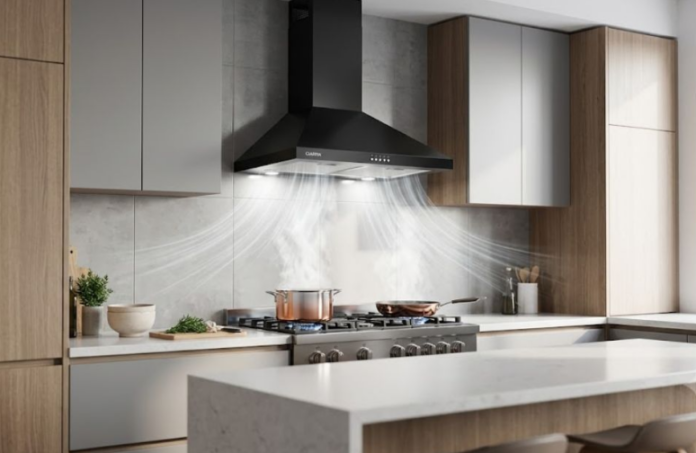
Kitchen ventilation is designed to remove unwanted air contaminants generated during cooking. While many people associate ventilation systems primarily with odor control, their function extends much further. Effective ventilation helps capture smoke, airborne grease, excess heat, and moisture before they circulate through the home.
By continuously moving stale air out and allowing cleaner air to replace it, ventilation improves airflow within the kitchen. This process can help create a more comfortable cooking environment, especially during activities that produce significant heat or steam. Ventilation systems also reduce the buildup of grease particles that may otherwise settle on cabinets, walls, and nearby surfaces.
In short, kitchen ventilation serves as a key part of indoor environmental management, helping maintain both air quality and overall household comfort.
The Hidden Pollutants Released During Everyday Cooking
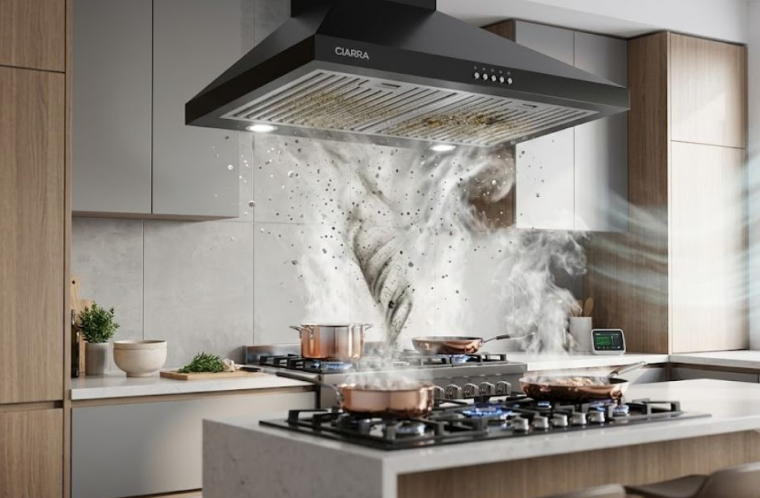
Many homeowners are surprised to learn that everyday cooking can release a variety of airborne pollutants. Activities such as frying, grilling, broiling, and searing often generate microscopic particles that become suspended in the air.
Some of the most common cooking-related pollutants include:
- Fine particulate matter (PM2.5)
- Nitrogen dioxide
- Carbon monoxide
- Volatile organic compounds (VOCs)
These pollutants can originate from cooking oils, food ingredients, and fuel-burning appliances. High-temperature cooking methods tend to produce greater concentrations of airborne particles compared to lower-temperature techniques such as simmering or steaming.
Although these emissions are a normal byproduct of cooking, their concentration can increase indoors when ventilation is insufficient. As a result, pollutants may remain in the air long after meal preparation has ended.
What Research Says About Indoor Air Pollution in Kitchens
Research on indoor air quality has increasingly highlighted the kitchen as one of the primary sources of household air pollution. Environmental and public health experts have found that cooking activities can temporarily elevate pollutant levels indoors, particularly in enclosed spaces with limited airflow.
Unlike outdoor pollution, indoor contaminants often become trapped within the home. Modern houses are typically built to be more energy efficient and airtight, which can reduce natural air exchange. While this improves energy performance, it can also allow cooking-related pollutants to accumulate if ventilation is inadequate.
Growing awareness of indoor environmental quality has encouraged homeowners, builders, and designers to place greater emphasis on effective ventilation strategies. As concerns about healthy indoor living continue to increase, kitchen ventilation is becoming an important consideration in modern home planning.
How Poor Ventilation Affects Indoor Air Quality
Poor kitchen ventilation allows pollutants, moisture, and cooking byproducts to remain indoors for longer periods. Instead of being captured and removed, airborne particles can circulate through adjacent rooms and contribute to stale or stuffy indoor conditions.
Over time, lingering smoke, odors, and microscopic particles may reduce overall indoor air quality. This issue can be particularly noticeable in open-concept homes, where air moves freely between the kitchen and living spaces. Inadequate ventilation may also result in greater surface contamination as grease particles settle on furniture, walls, and fixtures.
Because the kitchen is one of the most active areas of a home, effective airflow plays an important role in maintaining a fresher and healthier indoor environment. Addressing ventilation needs early can help prevent many common air quality concerns before they become long-term household issues.
The Link Between Kitchen Ventilation and Moisture Control
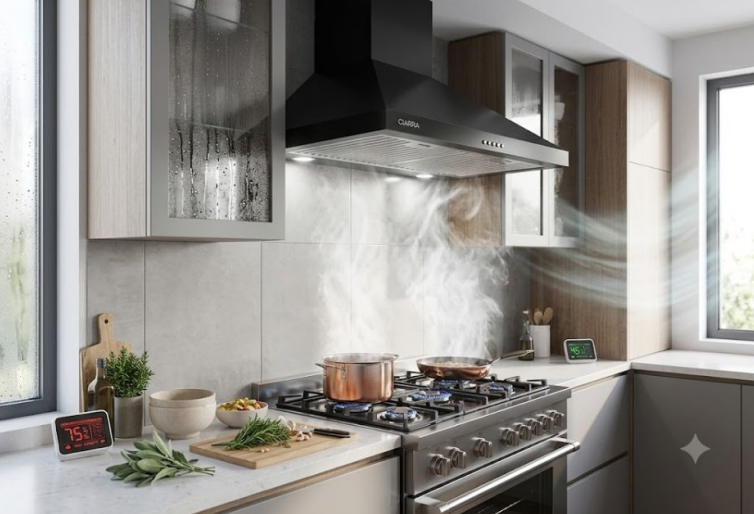
Cooking does more than generate heat and aromas—it also releases a significant amount of moisture into the air. Boiling water, simmering soups, steaming vegetables, and even washing dishes can increase indoor humidity levels. Without proper ventilation, this excess moisture may remain trapped inside the home rather than being removed at its source.
Over time, elevated humidity can lead to condensation on windows, walls, and other surfaces. In some cases, moisture may spread beyond the kitchen and affect nearby rooms. Effective kitchen ventilation helps regulate humidity by removing steam before it has an opportunity to accumulate. This contributes to a more balanced indoor environment and reduces the likelihood of moisture-related problems that can affect both comfort and home maintenance.
Why Mold and Mildew Become More Likely Without Proper Airflow
Mold and mildew thrive in damp environments where moisture is consistently present. When steam and humidity generated during cooking are not properly removed, they can create favorable conditions for microbial growth. Areas behind cabinets, around windows, beneath sinks, and along walls may be particularly vulnerable if excess moisture regularly accumulates.
The problem often develops gradually. Homeowners may first notice a musty odor, small discolorations, or persistent dampness before more visible signs appear. Left unchecked, mold and mildew can damage surfaces and increase maintenance costs over time.
Proper airflow helps minimize these risks by reducing moisture levels before they settle on household surfaces. While ventilation alone is not the only factor in mold prevention, it plays an important role in maintaining a drier indoor environment that is less hospitable to unwanted growth.
The Role of a Range Hood in Capturing Pollutants at the Source
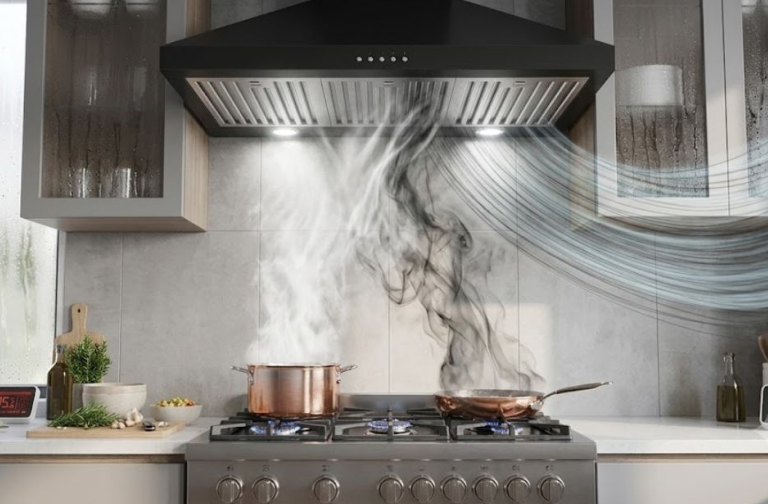
One of the most effective ways to manage cooking-related pollutants is through source-capture ventilation. Rather than allowing smoke, grease particles, heat, and airborne contaminants to spread throughout the kitchen, a range hood is designed to capture them directly above the cooking surface.
These systems generally fall into two categories: ducted and ductless. Ducted models move contaminated air outside the home, while ductless systems use filters to reduce certain particles before recirculating the air. Both approaches can contribute to improved kitchen air management when properly selected and maintained.
Because pollutants are removed closer to where they are generated, source-capture ventilation is often more effective than relying solely on general airflow. This targeted approach can help reduce odor buildup, improve comfort during cooking, and limit the spread of airborne particles to other areas of the home.
Kitchen Ventilation vs. Opening a Window: What’s the Difference?
Many homeowners assume that opening a window provides enough ventilation during cooking. While natural airflow can help disperse some heat and odors, it does not always provide the same level of performance as a dedicated ventilation system.
The effectiveness of an open window depends on factors such as weather conditions, outdoor air movement, and the location of the window relative to the cooking area. On calm days, airflow may be minimal, while extreme temperatures can make keeping windows open impractical.
Mechanical ventilation systems are designed to deliver more consistent results because they actively remove pollutants and moisture regardless of outdoor conditions. Although opening a window can be a useful supplement, it is generally not considered a complete replacement for effective kitchen ventilation.
How Better Ventilation Can Improve Energy Efficiency
Kitchen ventilation is often associated with air quality, but it can also influence overall household efficiency. Cooking generates heat that may increase indoor temperatures, particularly during warmer months. If excess heat remains trapped inside the home, cooling systems may need to work harder to maintain comfortable conditions.
By helping remove heat and moisture from the kitchen, effective ventilation can contribute to a more balanced indoor climate. Reduced humidity may also improve comfort levels, making indoor spaces feel less stuffy during extended cooking sessions.
While ventilation alone is not a substitute for an efficient heating or cooling system, it can support broader home energy management efforts. Maintaining proper airflow helps create a more comfortable environment while reducing some of the challenges associated with excess heat and humidity.
Why Ventilation Should Be Part of Every Modern Kitchen Design
Modern kitchens are often designed as central gathering spaces rather than isolated cooking areas. Open-concept layouts, larger floor plans, and multi-purpose living spaces have increased the importance of managing airflow effectively. Because cooking activities can affect nearby dining and living areas, ventilation has become a key consideration in contemporary kitchen planning.
Today, homeowners frequently evaluate ventilation alongside appliances, storage solutions, and overall layout. For example, when planning a kitchen around modern cooking equipment such as the Ciarra Nosh Oven, many designers also consider how airflow and pollutant removal will support the space’s long-term functionality. Incorporating ventilation early in the design process can help create a more comfortable environment while supporting better indoor air quality throughout the home.
Signs Your Current Kitchen Ventilation May Need Improvement
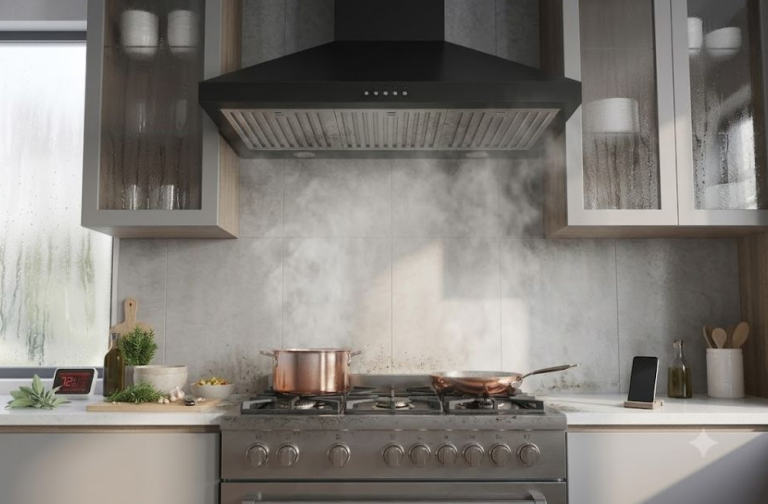
Not all ventilation problems are immediately obvious. In many cases, homeowners notice subtle warning signs before recognizing that airflow may be inadequate.
Common indicators include:
- Cooking odors that remain for hours
- Excess condensation on windows
- Visible smoke lingering after cooking
- Grease accumulation on cabinets or walls
- High humidity levels during meal preparation
- Persistent stuffiness in the kitchen
- Moisture stains near ceilings or corners
If several of these issues occur regularly, it may be worthwhile to evaluate the effectiveness of the existing ventilation system. Early attention can help prevent larger air quality and moisture-related concerns from developing over time.
How to Choose an Effective Kitchen Ventilation Solution
Selecting an appropriate ventilation solution depends on several factors, including kitchen size, cooking frequency, and household needs. A system that performs well in a small apartment kitchen may not provide the same results in a larger open-concept space.
When comparing options, homeowners should consider airflow capacity, ventilation type, maintenance requirements, and noise levels. Ducted systems typically remove air outside the home, while ductless models rely on filtration and recirculation. Each approach offers advantages depending on the home’s layout and installation constraints.
Regular maintenance is also important. Cleaning filters and ensuring proper system operation can help maintain performance and extend the lifespan of ventilation equipment. Taking time to assess these factors can lead to a solution that supports both comfort and long-term indoor air quality goals.
Conclusion
Kitchen ventilation is often overlooked, yet it plays an important role in maintaining indoor air quality, controlling moisture, reducing grease buildup, and supporting overall household comfort. From managing cooking-related pollutants to helping prevent humidity-related issues, proper airflow contributes to a healthier and more comfortable living environment.
As modern homes continue to emphasize open layouts and energy-efficient construction, effective ventilation becomes even more important. Understanding how ventilation works and recognizing the signs of inadequate airflow can help homeowners make informed decisions that benefit both their kitchens and their homes as a whole.
For those interested in learning more about kitchen planning and ventilation considerations, resources from Ciarra Appliances can provide additional insights into creating a well-balanced cooking space.
Frequently Asked Questions
Is kitchen ventilation necessary if I rarely cook?
Even occasional cooking can produce moisture, odors, and airborne particles. Ventilation helps remove these byproducts and supports healthier indoor air conditions.
Can opening a window replace a ventilation system?
Opening a window may improve airflow temporarily, but its effectiveness depends on weather and outdoor conditions. Dedicated ventilation systems generally provide more consistent pollutant and moisture removal.
What is the difference between ducted and ductless ventilation?
Ducted systems exhaust air outside the home, while ductless systems filter and recirculate air back into the kitchen. The best option depends on the home’s design and installation possibilities.
How often should kitchen ventilation systems be maintained?
Maintenance schedules vary by system type and usage, but filters and components should be inspected and cleaned regularly to ensure efficient operation.
Does kitchen ventilation help reduce moisture problems?
Yes. Effective ventilation removes steam and excess humidity generated during cooking, helping reduce condensation and moisture buildup.