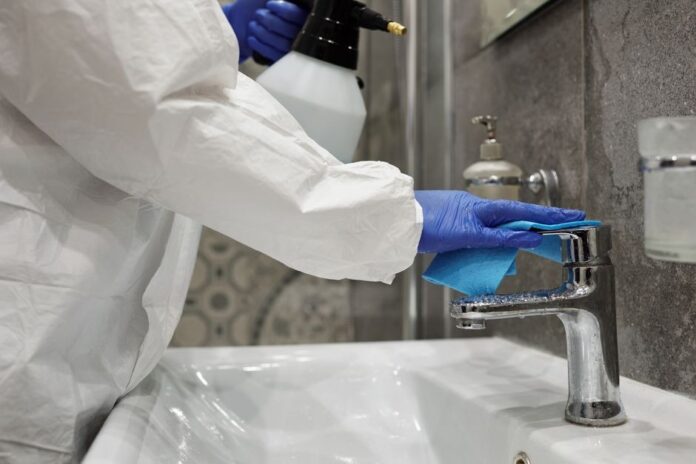

A bathroom backup can turn a normal day into a full-blown “you’ve got to be kidding me” moment. One flush, one gurgle, and suddenly your bathroom feels less like a home feature and more like a disaster movie set. The good news is you don’t need to panic. If you act quickly and carefully, you can protect your family, limit damage, and avoid making a gross situation even grosser. Here’s what you should do when your bathroom decides to fight back.
First things first
When wastewater starts coming up instead of going down, your first job is to stop using that bathroom right away. Don’t flush again just to “see if it fixes itself.” That almost never ends well. Tell everyone in the house to avoid sinks, tubs, and toilets near the problem area because extra water can make the backup worse.
If the mess is more than a tiny overflow, you’re not dealing with a simple spill. You’re dealing with contaminated water that can carry bacteria and other unhealthy stuff. In that situation, calling a professional service for sewage cleanup is often the safest move, especially if the water has spread onto flooring, walls, or nearby rooms.
Put on gloves if you need to step nearby, and keep kids and pets far away. This is not the time for curiosity. Think of the area like a no-entry zone until you know what caused the problem.
Know the danger signs
Some bathroom messes are annoying but manageable. Others are warning flares that say, “Call for help now.” One of the biggest signs is foul-smelling water pooling around the toilet, tub, or floor drain. Clean water has little room for drama. Sewage water announces itself loudly.
You should also pay attention if more than one drain is acting weird. If the toilet bubbles when you run the sink, or the tub fills when you flush, that can point to a deeper blockage in the main line. A single clog is one thing. A whole plumbing choir singing off-key is another.
Watch for water that comes back after seeming to drain away. That can mean the line is still blocked and pressure is pushing dirty water around your system. Gurgling sounds, repeated overflows, and dark or cloudy standing water are all signs that this isn’t a plunger-and-prayer kind of problem.
Protect your home
Once you know there’s a backup, focus on limiting the mess. If you can do it safely, turn off the water supply to the toilet. If the issue seems bigger than one fixture, you may need to shut off the home’s main water supply until a plumber checks things out.
Open windows if the weather allows and if it’s safe to be in the room for a moment. Airflow can help with odors, though it won’t solve the real issue. Move rugs, trash cans, towels, and small furniture away from the wet area. Anything absorbent is basically volunteering to become part of the problem.
Put down old towels only at the edge of the mess if you need to stop spreading, but don’t kneel in contaminated water or try to mop everything up barehanded. Wear shoes you can disinfect later. If water has reached a hallway or another room, block foot traffic. You don’t want the whole house getting an unwanted bathroom souvenir.
Clean only what’s safe
Here’s the hard truth: not every mess should become a DIY project. If you’re dealing with a few clean splashes from a simple toilet overflow, that may be something you can sanitize yourself. But if dirty water from a drain or sewer line has soaked flooring, rugs, drywall, or cabinets, that goes way beyond everyday cleaning.
Porous materials are the troublemakers here. Bath mats, towels, cardboard, and some wood products can soak up contamination fast. Once that happens, they may not be safe to keep. The same goes for items stored on the floor, like baskets, extra toilet paper, or that stack of magazines nobody has admitted to reading.
Use disposable gloves and avoid touching your face while handling anything from the area. Wash up well afterward. If an item can’t be fully disinfected and dried, it may need to go. It’s not fun, but neither is keeping something that smells like doom every humid afternoon.
Don’t miss hidden damage
What you see on the bathroom floor might only be part of the story. Water has a sneaky side. It can slip under vinyl, soak into baseboards, creep behind trim, and settle into subflooring. That hidden moisture can create odors that linger long after the visible mess is gone.
If your bathroom floor feels soft, warped, or oddly springy afterward, that’s a red flag. The same goes for peeling paint, swollen cabinet panels, or staining along the lower wall. You might think the cleanup is over, then a week later your bathroom starts smelling like a swamp with plumbing privileges.
Mold is another concern, especially if the area stays damp. It doesn’t need much time to get comfortable. Drying the room matters just as much as cleaning it. Fans, dehumidifiers, and professional moisture checks can help if water spread farther than it first appeared.
Prevent the next backup
Once the crisis is over, it’s worth looking at how to keep round two from happening. Start with the basics. Only flush toilet paper and human waste. Wipes labeled “flushable” have a funny way of not acting very flushable once they meet older pipes. They’re like party guests who say they’ll help clean up and then vanish.
Keep grease, hair, and heavy paper products out of drains. In older homes, consider periodic plumbing inspections, especially if you’ve had slow drains, frequent clogs, or tree roots in the past. Small warning signs usually show up before a major backup. The trick is not ignoring them because things seem “mostly fine.”
If your tub drains slowly or your toilet bubbles now and then, take it seriously. Plumbing problems rarely improve from positive thinking alone. A little maintenance now can save you from a much bigger, smellier, and more expensive home headache later. Your bathroom should be a place for peace, not surprise plot twists.