
Introduction
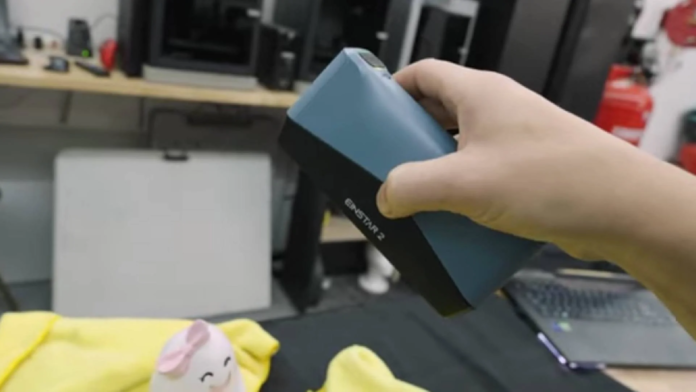
As industries continue to embrace digital transformation, the demand for efficient and precise tools has increased significantly. One of the most impactful advancements in this space is the combination of handheld 3D scanner technology with 3d printer scanner workflows. This integration allows users to capture real-world objects and convert them into accurate digital models that can be reproduced through 3D printing. The result is a faster, more flexible approach to design and manufacturing that is reshaping how products are developed and delivered.
The Evolution of 3D Printer Scanner Workflows
The concept of a 3d printer scanner has evolved from basic scanning and printing processes into a highly advanced workflow that supports modern production needs. In the past, creating a digital model required manual design and measurements, which could be time-consuming and prone to errors. Today, with the help of advanced scanning tools, objects can be digitized quickly and accurately. This evolution has made it possible to streamline production processes, reduce development time, and improve the overall quality of finished products.
Role of Handheld 3D Scanner in Modern Workflows
A handheld 3D scanner plays a critical role in enhancing the efficiency of a 3d printer scanner system. Its portability allows users to scan objects in various environments without being limited to a fixed setup. This is particularly useful for industries that require on-site scanning, such as construction, manufacturing, and maintenance. The ability to capture data in real time ensures that users can identify and correct any issues during the scanning process, resulting in more accurate digital models. This level of flexibility and precision makes handheld 3D scanners an essential tool for modern workflows.
How the Technology Works Together
The integration of a handheld 3D scanner into a 3d printer scanner workflow creates a seamless process from data capture to production. First, the scanner collects detailed information about the object’s shape and surface. This data is then processed into a digital model using specialized software. Once the model is prepared, it can be sent to a 3D printer for production. This process eliminates the need for manual measurements and reduces the likelihood of errors. By combining these technologies, users can achieve faster and more reliable results.
Advantages of Using Handheld 3D Scanner with 3D Printing
One of the main advantages of using a handheld 3D scanner is its ability to improve efficiency. The speed at which objects can be scanned and processed significantly reduces project timelines. Accuracy is another key benefit, as modern scanners can capture fine details that are essential for high-quality prints. The portability of handheld devices also allows users to work in different locations, making them ideal for a wide range of applications. Additionally, integrating a handheld 3D scanner into a 3d printer scanner workflow helps reduce costs by minimizing material waste and reducing the need for manual labor.
Industry Applications and Use Cases
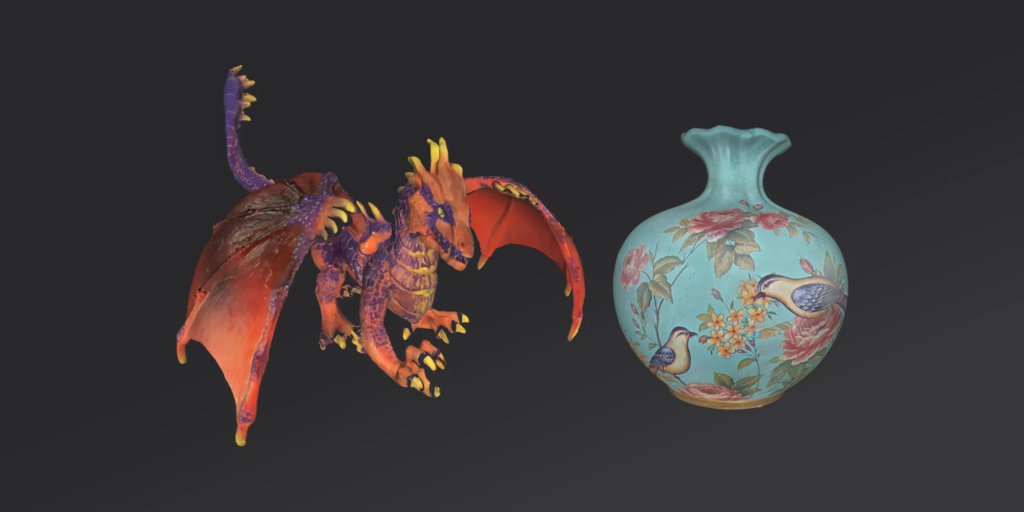
The combination of handheld 3D scanner and 3d printer scanner technology is widely used across various industries. In manufacturing, it is commonly applied in reverse engineering, where existing parts are scanned and reproduced or improved. The automotive and aerospace sectors use this technology for quality control and maintenance, ensuring that components meet strict standards. In healthcare, handheld 3D scanners are used to create customized medical devices, such as prosthetics and dental models. The construction industry benefits from accurate scanning of structures for planning and renovation. Even in creative fields, designers use these tools to digitize objects and create unique 3D printed designs.
Improving Productivity and Workflow Efficiency
One of the biggest advantages of integrating a handheld 3D scanner into a 3d printer scanner system is the improvement in productivity. By automating the data collection process, users can focus more on design and innovation rather than manual measurements. This leads to faster project completion and better use of resources. The ability to quickly scan, edit, and print objects also allows for rapid prototyping, enabling businesses to test and refine their designs in a shorter period of time. This increased efficiency is a major factor in the growing popularity of 3D scanning and printing technologies.
Factors to Consider When Adopting the Technology
When implementing a handheld 3D scanner within a 3d printer scanner workflow, it is important to consider several factors. The accuracy and resolution of the scanner will determine the quality of the final output. Scanning speed is also important, especially for projects with tight deadlines. Compatibility with software and 3D printers should be evaluated to ensure a smooth workflow. Ease of use is another key consideration, particularly for teams that may be new to this technology. By carefully selecting the right tools, businesses can maximize the benefits of their investment.
Future Outlook of 3D Scanning and Printing
The future of handheld 3D scanner and 3d printer scanner technology looks promising, with continuous advancements expected in both hardware and software. Innovations such as artificial intelligence and real-time data processing are likely to improve the accuracy and efficiency of scanning processes. Cloud-based solutions will make it easier to store and share 3D models, enabling better collaboration across teams. As the technology becomes more affordable, it will become accessible to a wider range of users, further driving its adoption across industries.
Conclusion
The integration of handheld 3D scanner technology with 3d printer scanner workflows is transforming the way objects are designed and produced. By enabling fast and accurate data capture, these tools provide a more efficient and flexible approach to manufacturing. Their applications across various industries highlight their importance in today’s digital landscape. As technology continues to evolve, the role of 3D scanning and printing will only grow, making them essential tools for innovation, productivity, and long-term success.