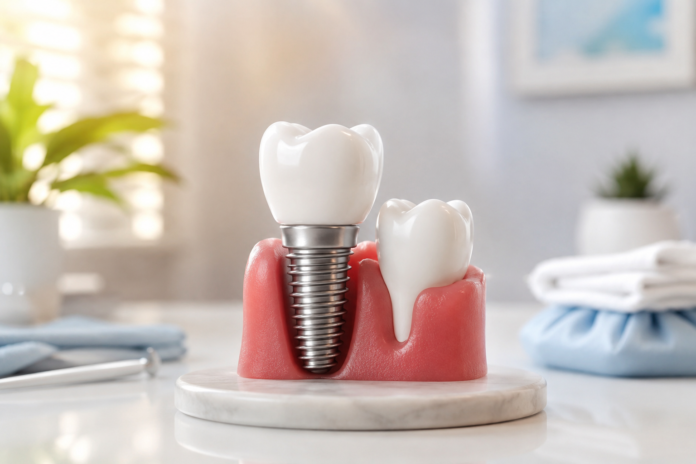

Getting a new smile through implant surgery is an exciting milestone. Proper recovery care is the secret to protecting this investment.
Following the right steps immediately after your appointment helps your mouth heal smoothly. Let’s look at some key practices to help you recover comfortably. Read on.
1. Rest Quietly After Surgery
Taking it easy is your main job during the first 24 hours. Physical exertion raises your heart rate and can cause bleeding at the treatment site.
Plan to relax on the couch with your head elevated. Keeping your head above your heart reduces swelling and throbbing. Resting today helps you recover much faster tomorrow.
2. Find A Nearby Implant Expert
Choosing a professional in your area makes a massive difference during recovery. You will feel much more secure knowing this specialist is close by if you need a quick checkup. Having a local team makes attending follow-up visits simple and stress-free.
A short drive to the clinic prevents unnecessary stress after your treatment. You can easily get answers to your questions without traveling far.
3. Adjust Your Daily Diet
Eating the right items keeps your healing mouth safe. A professional guide recommends choosing soft options during early recovery stages to protect the surgical site from pressure. Steer clear of hard or crunchy items that could harm your sensitive gums.
You should pay close attention to food temperatures, too. One recovery manual suggests these dietary rules:
- Eat cool or room-temperature foods
- Avoid hot foods entirely
4. Control Pain Correctly
Mild discomfort is normal after anesthesia wears off. A medical guide suggests managing these temporary side effects with pain medications and antibiotics if your dentist prescribes them. Taking your medication on a strict schedule prevents pain from spiking.
Do not wait for intense discomfort to set in. Keeping ahead of the pain makes the first few days much more manageable. Contact your provider if your discomfort worsens unexpectedly.
5. Clean Your Mouth Gently
Keeping your mouth clean prevents harmful bacteria from gathering near your new implant. One clinical resource warns patients to avoid rinsing, spitting, or touching the treated area during the first 24 hours. Skipping these actions prevents irritation and contamination as the site begins to close.
Another surgical advisory warns against vigorous rinsing or drinking through a straw. The suction created by straws can easily disrupt the delicate healing tissues.
6. Stop Smoking Temporarily
Smoking significantly slows down the body’s natural recovery process. An expert dental report recommends that patients refrain from smoking for a minimum of 2 weeks after surgery. Tobacco use limits oxygen in your bloodstream, which hinders bone recovery.
Avoiding cigarettes protects the implant from failing early on. Give your body the best chance to heal by pausing these habits.
7. Allow Ample Healing Time
Patience is highly valuable during your recovery journey. A publication states that your new implant creates a strong bond with your natural bone tissue as you recover. This bonding is a gradual biological process that cannot be rushed.
In fact, a clinical guide indicates that it typically takes 4 to 6 months for the post to fully bond with your jawbone. Rushing back into strenuous activities or ignoring symptoms can set your recovery back.
The Key To A Smooth Recovery Journey
Healing from dental implant surgery takes patience, consistency, and good care. Follow your dentist’s advice, eat the right foods, keep your mouth clean, and give your body time to heal. These simple steps protect your investment and help your new smile last for years.
Need more recovery tips or dental health advice? Stop by our blog for practical guides and expert recommendations to keep your smile on track.