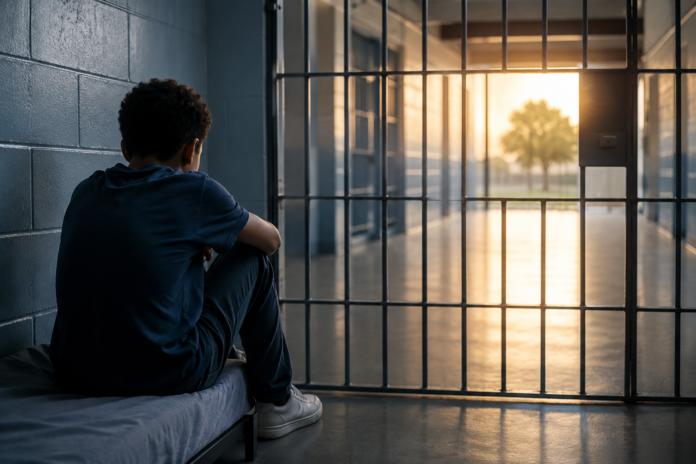

Key Takeaways
- Juvenile detention centers should focus on rehabilitation and support rather than practices that may cause additional harm to young offenders.
- Reports of abuse, neglect, and civil rights violations highlight the need for stronger oversight and accountability within the juvenile justice system.
- Solitary confinement and excessive use of force can negatively impact youth development and mental health and require careful review.
- Legal actions and advocacy efforts are pushing for meaningful reforms to improve conditions and protect detained youth.
- Transparency, trauma-informed care, and community involvement are essential for creating a safer and more effective juvenile justice system.
Juvenile detention centers play a critical role in guiding young offenders toward rehabilitation and eventual reintegration into society. Instead of fulfilling their rehabilitative mission, however, mounting evidence suggests many facilities become the setting for abuse, negligence, and violations of civil rights. High-profile cases and ongoing legal battles, such as the juvenile detention center lawsuit in San Bernardino, have drawn national attention to the urgent need for reform and greater accountability in the juvenile justice system. These stories raise questions about the treatment of youth and the broader impact on families and communities. Widespread allegations and documented reports challenge the assumption that these centers are safe spaces for reform, casting a shadow over their practices and policies. Concerns range from claims of physical and sexual abuse to the psychological toll of solitary confinement, all of which compromise the intended rehabilitative environment. Addressing these issues requires looking not just at the incidents themselves, but at the structural inadequacies that allow them to occur.
Allegations of Abuse and Misconduct
Across several states, former and current detainees have brought forward serious allegations against youth detention centers. In Illinois, over 900 claims of sexual abuse have been recorded over the decades, implicating both state-run institutions and county-operated facilities. This number points to a deeply rooted, systemic issue that has too often been overlooked or dismissed by authorities. State investigations have highlighted persistent barriers to reporting abuse and insufficient protection for detained youth. Patterns of abuse are not isolated to Illinois. In states like Texas and Florida, similar lawsuits and investigative journalism have uncovered widespread mistreatment, rampant neglect, and ongoing failures to intervene and protect the vulnerable children held in these centers. Staff members often lack training in trauma-informed care, which can exacerbate situations and allow abusive behavior to continue unchecked.
Use of Solitary Confinement
The practice of solitary confinement is one of the most controversial policies within juvenile detention. In North Carolina, legal and media reports have revealed that children and teens are sometimes left in isolation for more than 22 hours per day. This approach not only violates state guidelines for youth detention, but child psychologists and legal experts have roundly condemned it for its harmful effects. Prolonged isolation, especially for adolescents, can aggravate pre-existing mental health issues, heighten anxiety, and impair normal development. The American Academy of Child and Adolescent Psychiatry notes that even short periods of solitary confinement place children at risk for depression, psychosis, and suicidal behavior. While policy reforms have been promised in some states, implementation remains inconsistent, leaving many young detainees exposed to these harmful practices.
Excessive Use of Force
Physical confrontations between staff and youth have become alarmingly frequent in several jurisdictions. In Colorado, an uptick in the use of restraints, seclusion, and forceful take-downs has been captured on facility surveillance footage. These events have prompted public outcry and launched demands for a complete overhaul of detention center policies regarding the appropriate use of force.
Excessive force not only violates the rights of young people but also undermines efforts to create a rehabilitative or therapeutic setting within detention. Many families describe how children return from these centers with increased trauma and heightened distrust of authority, making reintegration more challenging.
Legal Actions and Settlements
The extent of the abuse found in juvenile detention centers has led to significant legal challenges and settlements nationwide. One example is the federal consent decree reached in Charleston County, South Carolina, requiring system-wide changes at their youth jail. The decree mandates improved oversight, the elimination of unlawful practices, and regular reporting. Legal settlement agreements are forcing the hands of local governments, but change is slow and often reactive rather than preventative.
Impact on Families and Communities
The damage caused by abusive detention practices goes well beyond the walls of these institutions. Families regularly express despair about the conditions their children endure, and many report that their children return home displaying severe trauma symptoms. For youth, the experience can shape their future in lasting ways, feeding cycles of instability, reduced educational and work opportunities, and recurring encounters with the legal system. The ripple effect erodes the well-being of entire communities, particularly those already facing socioeconomic challenges.
Calls for Reform
Victims’ advocates and legal organizations are driving urgent calls for standardized reform measures across state lines. Key recommendations include the immediate elimination of solitary confinement for minors, increased staff training in trauma-informed approaches, and improved access to legal and psychological support for detained youth. Reforms are also pushing for strengthened accountability processes to ensure that abuse, if it occurs, is swiftly addressed.
Ensuring Accountability
Establishing true accountability requires more than piecemeal policy shifts. Juvenile justice experts recommend establishing independent oversight bodies, conducting consistent external audits, sharing transparent data with the public, and providing formal channels for reporting grievances without fear of retaliation. These steps are essential to restoring public trust and ensuring the safety and dignity of all youth in the justice system.
Conclusion
Evidence from numerous jurisdictions is mounting, making it clear that the current system of juvenile detention is in urgent need of meaningful reform. Protecting the civil rights and well-being of young people must be the primary mission of these institutions. Only by embracing transparency, accountability, and therapeutic approaches can society offer true rehabilitation and a fair chance at a better future for all youth. Effective reform requires stronger oversight, improved staff training, and policies that prioritize safety, education, and mental health support. Juvenile facilities should provide an environment focused on growth and positive development rather than solely on punishment. By addressing systemic failures and implementing evidence-based solutions, communities can help young people overcome challenges, rebuild their futures, and successfully reintegrate into society. Ensuring dignity and fairness within the juvenile justice system benefits not only youth but also families and communities as a whole.