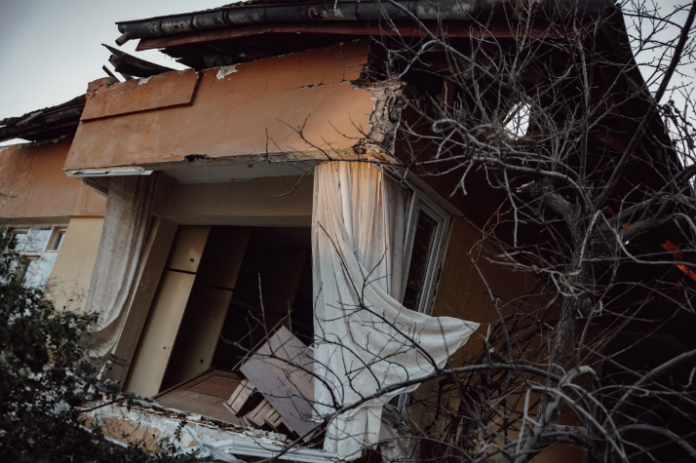

Home damage can turn your routine upside down fast. In Burleson, Texas, severe storms, plumbing leaks, and unexpected household accidents can leave homeowners dealing with anything from soaked drywall to damaged ceilings. The good news is that rebuilding doesn’t have to feel like one giant mystery. If you take it step by step, ask the right questions, and focus on what matters first, you can make smarter choices and avoid a lot of extra stress along the way.
Start with safety
Before you think about paint colors or replacement flooring, make sure your home is safe to enter. If there’s standing water, exposed wiring, a gas smell, or a sagging ceiling, stop right there. Those are not “I’ll deal with it later” problems. They’re “back away slowly” problems.
Once the space is secure, document everything with photos and short notes. That gives you a clearer record for repairs and insurance. After that, it makes sense to look into reconstruction services in Burleson if the damage extends beyond cleanup and requires rebuilding walls, ceilings, structural components, or other parts of your home.
Try to save damaged items until they’ve been reviewed, unless they create a health hazard. If you need to remove things quickly, take pictures first. Small steps like these can spare you a giant headache later.
Know what needs fixing
The tricky part about home damage is that what you can see is not always the whole story. A wall might look only a little stained, but moisture could be hiding inside it like an uninvited houseguest. Smoke residue can settle into insulation after a fire, while water can creep beneath flooring and behind walls where it quietly causes mold and structural deterioration.
This is why surface fixes can be risky. Painting over a stain or replacing one board may make things look better for a week, but hidden damage often comes back with a sequel nobody asked for. You want to know whether the framing is sound, whether wiring stayed dry, and whether the air quality has been affected.
Walk through the house slowly and make a room-by-room list. Note soft spots, odors, cracks, bubbling paint, and doors that suddenly won’t close right. Those little clues can point to bigger issues. A proper rebuild starts with understanding the full problem, not just the photogenic part.
Work with insurance wisely
Insurance can help, but it can also feel like learning a new language while standing in a damp kitchen. Keep everything organized from the start. Make a simple folder, digital or paper, with photos, receipts, claim numbers, emails, and names of people you speak with.
When you talk to your insurer, ask direct questions. What does the policy cover? What is excluded? Are temporary housing, debris removal, and material upgrades included or limited? If something sounds vague, ask again in plain English. You are not being difficult. You are being smart.
It also helps to create a basic inventory of damaged items by room. Don’t stress over making it perfect. Start with the big-ticket things, then add smaller items. Keep receipts for emergency purchases too. Fans, storage bins, hotel stays, and cleanup supplies may matter. The more clearly you document your losses and costs, the smoother the process tends to go.
Choose help you trust
Picking the right repair team matters almost as much as the repairs themselves. You want people who communicate clearly, show up when they say they will, and explain the work without making it sound like a secret club. If every answer feels slippery, that’s a red flag waving at you from the roof.
Ask whether the contractor can coordinate reconstruction alongside any remaining restoration work so the project moves smoothly from damage mitigation to rebuilding. Also ask who will actually be doing the work. Some companies handle everything in-house, while others subcontract major parts. Neither is automatically bad, but you should know what to expect.
A few practical things to ask about:
- Licensing and insurance
- Cleanup responsibilities
- Dust and floor protection
- Change order policies
- Payment schedule
You should also ask how they handle surprises behind walls or under flooring. Good teams know surprises happen. Great teams explain how they’ll communicate when they do.
Plan for daily life
Repairs affect more than your house. They affect your mornings, your sleep, your pets, and your ability to remember where anything is. If the kitchen or bathroom is out of commission, daily life gets awkward fast. Dust has a magical ability to appear in places that seem legally impossible.
Think ahead about whether you can safely stay in the home during repairs. If work is limited to one area and utilities are working, maybe yes. If there’s heavy demolition, poor air quality, or no functioning bathroom, staying elsewhere may save your sanity.
Make a simple plan for the basics:
- Where you’ll sleep
- What rooms stay off-limits
- How kids and pets stay safe
- Where to store valuables
- When noisy work will happen
Even a temporary routine helps. Set up one calm zone with chargers, paperwork, snacks, and essentials. It sounds small, but having one corner that feels normal can make the whole process easier.
Rebuild with fewer regrets
Once repairs begin, you get a chance to make choices that improve the way your home works. This doesn’t mean turning the rebuild into a luxury makeover show. It means thinking practically. If a space is being opened up anyway, ask whether better storage, stronger materials, or improved ventilation could solve recurring problems.
For example, moisture-prone areas may benefit from water-resistant flooring or better exhaust fans. Entry areas often do better with durable surfaces that can handle muddy shoes, wet bags, and real life. Built-in storage can also reduce clutter, which somehow multiplies during stressful times like laundry in a dark basement.
Try to focus on upgrades that make maintenance easier, not just prettier. A home that is simpler to clean, air out, and organize tends to feel better long after the last repair truck leaves. Rebuilding after serious home damage is never easy, but taking a thoughtful approach can help you restore both your home and your peace of mind. With careful planning and the right rebuilding decisions, you can move forward with a safer, stronger, and more functional space.