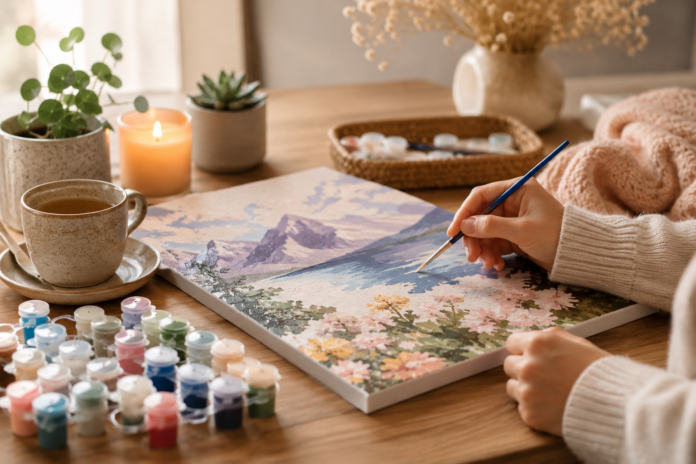

The self-care movement has evolved significantly over the past decade. What started as face masks and bubble baths has transformed into something deeper—a genuine search for meaningful activities that restore mental balance and bring genuine fulfillment. People are discovering that true self-care goes beyond temporary comfort. It requires engagement, focus, and the satisfaction of creating something with your own hands.
DIY creative projects sit at the intersection of relaxation and purpose. They offer what modern wellness practices often promise but rarely deliver: a meaningful way to disconnect from daily stress while producing tangible results. This shift represents more than just a trend. It’s a fundamental change in how we approach our mental health and personal well-being.
Understanding the Self-Care Evolution
Traditional self-care focused on passive consumption. You received a service or used a product. The experience ended, and you moved on. DIY projects work differently. They demand your attention and participation from start to finish.
This active engagement matters. When you’re focused on creating, your mind doesn’t have space for scrolling, worrying, or ruminating. The activity itself becomes meditative. Your hands stay busy while your thoughts naturally settle into the present moment.
The beauty of DIY creative work lies in its accessibility. You don’t need expensive equipment or specialized training. You simply need the willingness to begin something and the patience to see it through to completion.
The Mental Health Connection Behind Creative Work
Research consistently demonstrates that creative activities impact mental health positively. A study published in Frontiers in Psychology found that engaging in creative pursuits reduces cortisol levels—the hormone associated with stress. When you’re focused on a creative task, your nervous system downregulates. Blood pressure decreases. Heart rate normalizes.
But the benefits extend beyond temporary stress relief. Regular creative engagement builds resilience. It provides a healthy coping mechanism for difficult emotions. Instead of numbing yourself with distractions, you’re channeling energy into something constructive.
Creative work also combats anxiety and depression symptoms in measurable ways. The American Journal of Public Health published research indicating that creative engagement significantly improves psychological well-being. People who regularly participate in creative activities report higher life satisfaction and better overall mental health outcomes.
Hands-on projects offer something that passive relaxation cannot. They create a sense of agency. You’re not being done to. You’re doing something. That distinction matters profoundly for mental health.
Why Hands-On Creation Matters More Than Ever
We live in an increasingly digital world. Our work happens on screens. Our communication flows through devices. Our entertainment streams endlessly. While technology offers genuine benefits, it’s also created a hunger for something tactile and real.
The past few years intensified this phenomenon. People sought activities that grounded them, that felt authentic, that produced physical evidence of their effort. They wanted to create, not just consume. They wanted to engage different parts of their brains—the parts that respond to texture, color, movement, and tangible progress.
DIY projects satisfy this need directly. When you work with your hands, your brain engages differently than when you scroll or watch. You activate neural pathways associated with motor skills, spatial reasoning, and aesthetic judgment. This fuller brain engagement creates deeper satisfaction than passive activities provide.
The explosion of interest in hands-on hobbies isn’t coincidental. It’s a direct response to modern life’s digital saturation. People intuitively understand what research confirms: we need balance. We need activities that feel real and grounded in the physical world.
The Accessibility Factor: Making Creativity Available to Everyone
One reason DIY projects have gained such momentum is their democratization. Quality creative tools and materials have become more affordable and accessible than ever. You no longer need formal training or expensive materials to create something beautiful and satisfying.
This accessibility has transformed creative pursuits from niche hobbies into mainstream wellness practices. Entry barriers have dropped significantly. More people can participate. More people can experience the mental health benefits.
For those new to creative work or skeptical about their abilities, certain structured projects work particularly well. They provide clear direction without overwhelming choices. They guide you toward a finished product while allowing for personal expression. This combination—structure plus creativity—appeals to people across different skill levels and confidence levels.
If you’re considering starting a hands-on project and want something with proven simplicity and satisfying results, it’s worth exploring different options. You might shop deals on paint by number kits for adults, which have become sophisticated and genuinely beautiful, or try other entry-level creative pursuits that match your interests. The key is finding something that speaks to you personally, something that feels like play rather than obligation.
Building Confidence Through Completion
One overlooked benefit of completing a DIY project is the confidence boost. You start with nothing. You follow steps. You invest time and focus. Then you finish. You have something to show for your effort.
This simple progression—start, engage, complete—rebuilds confidence in capable action. Modern life often fragments our attention across incomplete tasks. Emails unanswered. Projects in progress. Lists that never end. A finished creative project provides something increasingly rare: genuine completion.
That sense of closure impacts your psychology significantly. You prove to yourself that you can see something through. You can focus long enough to produce a result. You’re capable of creating something. These aren’t trivial realizations. They counteract the learned helplessness and fragmentation that many people experience.
For people struggling with depression or low self-worth, this evidence of capability matters enormously. You’re not relying on affirmations or positive thinking. You have physical evidence that you accomplished something. That reality-based confidence tends to be more resilient than purely mental reassurance.
The Larger Movement Toward Intentional Living
DIY projects represent something broader than a passing wellness trend. They’re part of a larger shift toward intentional living. People are asking harder questions about how they spend their time. They want activities that nourish rather than deplete. They want meaning, not just distraction.
This consciousness creates space for practices that require presence and participation. It creates space for work that produces tangible results. It creates space for creativity—even amateur, imperfect creativity—because the value isn’t in professional-quality outcomes. The value lies in the process itself.
When you engage in hands-on creative work regularly, you build a practice that sustains mental health over time. It’s not a one-time intervention. It’s a sustainable habit that costs relatively little financially while paying significant dividends in psychological well-being.
Conclusion
The evolution of self-care toward DIY creative projects reflects genuine insight about human needs. We require more than temporary comfort. We need engagement, participation, and tangible results. We need to create. We need to see our efforts transform into something concrete.
This isn’t frivolous. The research supports what people intuitively know: hands-on creative work improves mental health, reduces stress, and builds confidence. The accessibility of quality materials and clear-path projects has made this wellness practice available to nearly everyone.
Whether you’re seeking stress relief, confidence building, or simply a more intentional way to spend your time, DIY creative projects offer real solutions. They provide structure without rigidity. They demand engagement without judgment. Most importantly, they deliver on self-care’s fundamental promise: they actually make you feel better.
The blank canvas isn’t just sitting there waiting. It’s an invitation to something more meaningful than scrolling through another feed. It’s an invitation to create, to engage, and to care for yourself in ways that actually matter.