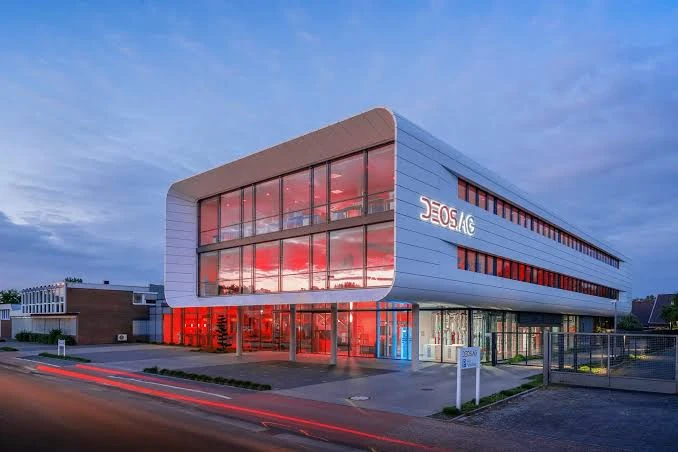

Commercial buildings are becoming smarter, more connected, and more efficient than ever before. Rising energy costs, increasing sustainability goals, evolving workplace expectations, and advances in digital technology have encouraged businesses to rethink how they manage their facilities. One of the most significant developments driving this transformation is the adoption of Building Automation Systems (BAS).
A Building Automation System integrates various building functions—such as heating, ventilation, air conditioning (HVAC), lighting, electrical infrastructure, security, and energy management—into a centralized platform. Instead of operating these systems independently, building owners and facility managers can monitor, control, and optimize performance from a single interface.
In 2026, Building Automation Systems are no longer limited to large corporate campuses or high-rise office buildings. Businesses of all sizes are recognizing the long-term benefits of automation, including lower operating costs, improved occupant comfort, enhanced sustainability, and better maintenance planning.
This article explains why commercial buildings are increasingly investing in Building Automation Systems, how they work, and what organizations should consider before implementing them.
What Is a Building Automation System?
A Building Automation System (BAS) is a network of hardware and software that manages a building’s mechanical, electrical, and environmental systems. It collects data from connected sensors and devices, analyzes building performance, and automatically adjusts equipment based on real-time conditions.
Typical systems managed through a BAS include:
- HVAC equipment
- Lighting controls
- Electrical distribution
- Indoor air quality monitoring
- Fire and life safety systems
- Security and access control
- Energy monitoring
- Water management systems
The primary goal is to improve operational efficiency while reducing manual intervention.
Why Businesses Are Adopting Building Automation
Businesses today face growing pressure to reduce operating expenses while maintaining comfortable and productive environments.
Building automation helps achieve these goals by:
- Lowering energy consumption
- Improving equipment reliability
- Simplifying facility management
- Enhancing occupant comfort
- Supporting sustainability initiatives
- Providing actionable operational data
Rather than relying on manual adjustments, automated systems respond continuously to changing building conditions.
Lower Energy Consumption
Energy costs remain one of the largest operational expenses for commercial properties.
Building Automation Systems reduce waste through:
- Occupancy-based climate control
- Smart lighting schedules
- Automated HVAC optimization
- Equipment runtime management
- Demand-response strategies
- Continuous energy monitoring
Even small improvements in efficiency can translate into significant annual cost savings for businesses.
Centralized Building Management
Managing multiple building systems separately can be time-consuming and inefficient.
A BAS provides a centralized dashboard where facility managers can:
- Monitor equipment performance
- Review energy usage
- Adjust system settings
- Receive maintenance alerts
- Schedule operational changes
- Generate performance reports
Centralized management improves visibility while reducing administrative complexity.
Smarter HVAC Control
Heating and cooling systems often represent the largest source of commercial energy consumption.
Building automation continuously adjusts HVAC operation based on:
- Occupancy
- Outdoor weather
- Indoor temperatures
- Humidity
- Air quality
- Time of day
This dynamic approach helps maintain comfortable indoor conditions while minimizing unnecessary energy use.
Supporting Predictive Maintenance
One of the greatest advantages of automation is predictive maintenance.
Connected sensors monitor equipment performance and identify early warning signs such as:
- Temperature changes
- Increased vibration
- Airflow restrictions
- Electrical irregularities
- Extended operating cycles
Instead of waiting for failures, maintenance teams receive alerts before problems become costly repairs.
Improving Indoor Air Quality
Healthy indoor environments have become increasingly important for employee wellness and customer satisfaction.
Building automation supports indoor air quality by monitoring:
- Carbon dioxide levels
- Humidity
- Ventilation rates
- Air filtration performance
- Temperature consistency
The system automatically adjusts airflow and ventilation to maintain healthier indoor conditions while balancing energy efficiency.
AI Enhances Automation
Artificial intelligence adds another layer of intelligence to Building Automation Systems.
AI analyzes historical and real-time data to:
- Predict occupancy
- Optimize equipment schedules
- Detect unusual operating patterns
- Forecast maintenance needs
- Improve energy efficiency
Machine learning allows systems to improve performance over time without constant manual adjustments.
Better Decision-Making Through Data
Modern buildings generate enormous amounts of operational information.
Building automation converts this data into meaningful insights that help organizations:
- Identify inefficient equipment
- Compare energy performance
- Evaluate maintenance trends
- Forecast operating costs
- Plan capital improvements
Data-driven decisions improve both short-term operations and long-term planning.
Flexible Climate Control for Modern Buildings
Commercial buildings increasingly require flexible climate solutions for offices, retail spaces, healthcare facilities, educational buildings, and renovations.
Many organizations use ductless HVAC systems to provide independent temperature control for specific zones without installing extensive ductwork. If a zoned system begins experiencing airflow or performance issues, scheduling professional ductless mini split repair houston services can help restore efficient operation and maintain comfortable conditions for occupants while minimizing disruption to business activities.
Integration With Electrical Infrastructure
A Building Automation System extends beyond HVAC by integrating with a building’s electrical infrastructure.
Automation can monitor:
- Electrical loads
- Power consumption
- Backup power systems
- Lighting controls
- Circuit performance
- Peak demand
Organizations planning upgrades often coordinate automation projects with qualified electrical services houston tx professionals to ensure building systems, power distribution, and intelligent controls work together safely and efficiently.
Enhanced Occupant Comfort
Comfort directly affects employee productivity and customer satisfaction.
Automation helps maintain:
- Stable temperatures
- Balanced humidity
- Fresh ventilation
- Consistent lighting
- Better indoor environments
Comfortable buildings contribute to healthier, more productive workplaces.
Sustainability and ESG Goals
Many businesses now prioritize environmental responsibility.
Building automation contributes by:
- Reducing energy waste
- Lowering greenhouse gas emissions
- Extending equipment life
- Supporting green building certifications
- Improving resource efficiency
Automation helps organizations meet sustainability objectives while lowering operational costs.
Remote Building Management
Cloud connectivity enables facility managers to monitor buildings from virtually anywhere.
Remote capabilities include:
- Equipment monitoring
- Alarm notifications
- Temperature adjustments
- Energy reporting
- Maintenance scheduling
Remote management reduces response times and improves operational flexibility across multiple locations.
Future Trends in Building Automation
Technology continues advancing rapidly.
Future innovations include:
- Digital twins
- Autonomous building optimization
- AI-powered maintenance scheduling
- Occupancy forecasting
- Advanced cybersecurity
- Renewable energy integration
- Predictive energy purchasing
These developments will make commercial buildings even more intelligent and efficient.
Best Practices for Successful Implementation
Organizations planning a Building Automation System should consider these recommendations:
- Define operational goals before implementation.
- Evaluate existing building infrastructure.
- Select scalable automation platforms.
- Train facility management staff.
- Integrate maintenance planning with automation data.
- Monitor system performance continuously.
- Review energy reports regularly.
A phased implementation often minimizes disruption while maximizing long-term return on investment.
Frequently Asked Questions
What is a Building Automation System?
A Building Automation System is a centralized platform that monitors and controls HVAC, lighting, electrical systems, security, and other building operations to improve efficiency and reduce operating costs.
Do Building Automation Systems reduce energy bills?
Yes. By optimizing equipment schedules, monitoring occupancy, adjusting HVAC performance, and reducing unnecessary energy consumption, BAS platforms can significantly improve building efficiency.
Can existing buildings install automation systems?
Many existing commercial buildings can be retrofitted with automation technologies, although the specific upgrades depend on the age and compatibility of the building’s equipment.
Is building automation only for large buildings?
No. Automation solutions are now available for offices, retail stores, healthcare facilities, educational institutions, warehouses, and many other commercial properties of varying sizes.
Does automation replace facility managers?
No. Automation provides valuable insights and operational support, while experienced facility managers remain responsible for oversight, maintenance decisions, and long-term planning.
Final Thoughts
Building Automation Systems are transforming commercial buildings by combining connected technology, artificial intelligence, and real-time data into a unified management platform. Businesses that adopt automation gain greater visibility into building performance, reduce operating costs, improve occupant comfort, and support long-term sustainability goals.
As technology continues to evolve, automation will become an increasingly important component of commercial property management. Organizations that invest in smart building solutions today position themselves to operate more efficiently, respond proactively to maintenance needs, and create healthier, more productive environments for employees and customers alike.
Rather than viewing Building Automation Systems as simply another technology investment, forward-thinking businesses recognize them as a strategic tool for improving operational resilience, maximizing asset performance, and preparing commercial buildings for the demands of the future.