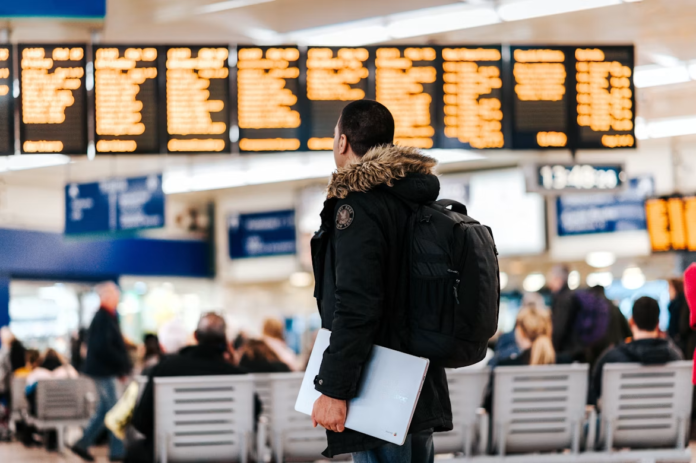

Business travel often feels more like a hassle than a chance to get things done. With tight schedules, new cities, and the constant pressure to be productive, it’s easy to feel swamped. But if you use the right tricks, you can turn those crazy work trips into smooth, effective experiences. It’s not about finding extra hours, but about making the most of the time you have. Easy business travel is a skill, and like any skill, you can learn it with a little practice and the right methods.
This guide will walk you through five main areas to master, helping you get better at everything from planning and packing to working and relaxing.
Streamlining Your Itinerary
A good business trip starts way before you even head to the airport. A well-planned schedule is your roadmap to a stress-free journey.
First, book your flights and hotel based on when your meetings are, not the other way around. Staying in a hotel close to your appointments can save you hours of travel time. Also, picking flights that land outside of peak rush hour can make a huge difference.
Once your main travel is booked, it’s time to plan a business trip carefully. Group your meetings and appointments by location. If you have three meetings, try to schedule the two on the east side of town for the morning and the one on the west side for the afternoon. This simple step stops you from spending your day driving all over the city.
Always add extra time between appointments. A 30-minute buffer can cover unexpected traffic or meetings that run long, stopping a chain reaction of being late. Share your final schedule with a coworker at the office and a family member at home so someone always knows where you are.
Smart Packing for Professionals
Packing light is a game-changer. It saves you from baggage fees, helps you avoid long waits at the carousel, and makes it much easier to move around when you have meetings, check-ins, or a few hours to fill between connections.
If you arrive in London early or have time to spare before heading to your hotel, using left luggage at King’s Cross can be a practical way to store your bags and stay mobile while you get on with your day.
To make this work, you need a versatile, carefully chosen wardrobe. Stick to a small collection of clothes in neutral colours like navy, grey, and black. Pick items you can easily mix and match. For a three-day trip, this might look like:
- One suit or a blazer with matching trousers or a skirt
- Two versatile dress shirts or blouses
- One pair of dark, well-fitting jeans or chinos for casual evenings
- A jumper or cardigan for layering
- Comfortable but smart shoes
Roll your clothes instead of folding them to help prevent creasing and save space. Use packing cubes to organise your items: one for clothes, one for underwear and socks, and one for electronics. Always keep a separate pouch for your essential tech, such as a portable power bank, a universal travel adapter, and all your charging cables. Staying organised like this means you can unpack and get ready in minutes.
Navigating City Logistics
Landing in a new city can feel confusing. Before you even arrive, try to get a basic idea of the city’s layout and how its public transport works. Apps like Citymapper or Google Maps are super helpful for planning routes. Decide how you’ll get around beforehand. While ride-sharing services are convenient, many cities have great, affordable subway or train systems that can help you avoid traffic completely, especially during busy times.
One of the biggest headaches is dealing with your luggage, especially on the days you arrive and leave. If you get there hours before you can check into your hotel, or have a late flight after your last meeting, dragging your bags everywhere is a huge pain. Using a service for left luggage King’s Cross station, lets you drop your bags securely and make the most of your free time without being weighed down. This means you can go to a final meeting, grab a meal, or do some last-minute sightseeing without your bags. Being smart about these little things is what makes the difference between a stressful trip and a smooth one.
Maintaining Work-Life Balance
Traveling all the time can quickly lead to exhaustion if you don’t actively protect your personal time. It’s tempting to work from the moment you wake up until you go to bed, but that’s just not sustainable. Setting clear boundaries is key to making business travel a good experience. Tell your coworkers and clients your working hours. Let them know you won’t be answering non-urgent emails after a certain time in the evening.
Schedule downtime right into your itinerary, just like you would a business meeting. This could be an hour at the hotel gym, a walk through a local park, or dinner at a restaurant you’ve wanted to try. This could be an hour at the hotel gym, a walk through a local park, or enjoying an exceptional dinner at restasurant like Truluck’s Washington DC. Taking time to relax and experience the city you’re in can actually help you focus and be more productive when you are working.
For managers, it’s just as important to think about your employees’ well-being. Creating a travel policy that encourages downtime and offers resources for managing your team’s business travel can lead to a happier, more effective team. These small acts of self-care help create a much more sustainable and enjoyable work-travel rhythm, leading to smarter corporate travel in the long run.
Leveraging Travel Tech
Today, there’s a ton of technology out there to make your business trips easier. Your smartphone can be your most powerful tool, acting as your personal assistant, navigator, and expense tracker. Start by downloading a few key apps that automate and simplify common travel tasks.
Itinerary management apps like TripIt are fantastic. You just forward your confirmation emails for flights, hotels, and car rentals, and the app builds a master schedule for you, complete with maps and confirmation numbers. For expenses, apps like Expensify or SAP Concur let you scan receipts and create expense reports on the go, saving you from a mountain of paperwork when you get back.
Beyond logistics, think about apps for your well-being. A meditation app like Calm or Headspace can help you unwind after a long day of meetings, while a fitness app can provide quick hotel-room workouts. By embracing the best travel apps, you can take a lot of the mental stress out of travel, freeing you up to focus on why you’re there.
Using these strategies helps you change your business travel from a chore you have to do into a productive and even fun part of your job. It’s all about being intentional with your planning and how you do things to create a smoother journey from start to finish.