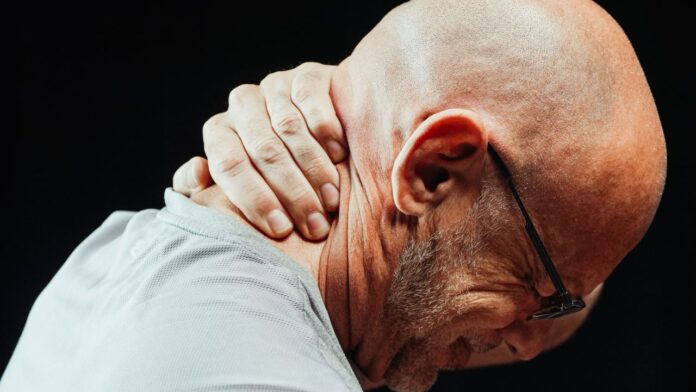

In most cases, a pinched nerve condition is initially experienced as an ache. A great number of individuals do not pay attention to it at this stage because it tends to be intermittent. This is mainly due to their hopes that they will get better simply by resting. Some individuals do improve in this way; however, some individuals fail to recover at all.
When this happens, it significantly impacts the quality of their daily routines because of the interference with their routine activities. Learn more on sites like kellybridgesneurosurgery-id.com for additional educational information about spinal conditions and treatment options.
Why a Pinched Nerve is Not Always a Simple Problem
People often believe that a pinched nerve occurs instantly after picking up a heavy object. This does happen occasionally, but there are many instances where a pinched nerve develops gradually. With age, the spaces between the nerves get narrowed by some changes in the spine’s structure.
The disc herniation and bone spurs lead to the compression of the nerves. There are other reasons for the problem as well, including ligament thickening and degenerative spinal joint problems.
The Pattern of Symptoms Matters
Pain alone does not always identify the affected nerve. Doctors usually pay close attention to the pattern of symptoms instead. Neck pain that radiates to the shoulder, arm, or fingers typically indicates that there is something wrong with your nerves at the cervical spine level.
Pain originating from the lower back that extends to the buttocks or leg means that your nerves are affected at the lumbar spine level. Weakness gives you another clue. Inability to grip things and lift your foot when walking are some examples. Climbing stairs may also indicate that the nerve’s signals no longer reach certain muscles effectively. Tracking such changes helps the healthcare providers narrow the possible source of compression before the imaging studies begin.
Why do some people recover faster than others?
No two people experience a pinched nerve in the same way. Several factors influence the recovery. The amount of pressure on the nerve plays an important role. A mildly irritated nerve settles with conservative care. Long-standing compression usually takes more time to improve. General health also affects the healing.
Healthy muscles support the spine more effectively. It also reduces the unnecessary stress on the spinal structures. Good circulation supports tissue repair. Poor lifestyle habits slow down the recovery. Age also influences the healing. However, older adults should not assume recovery will always take longer. Many people improve steadily when they follow a structured treatment plan.
Certain habits usually make symptoms worse
Tiny movements may unknowingly lead to recurring stress. Poor posture while sitting and bending frequently puts more pressure on the stressed nerves. Moreover, other causes that give rise to such nerve irritations are improper lifting and the use of computers for long hours. Long periods without movement create another problem.
Muscles stiffen, and joints lose flexibility. Also, the surrounding tissues may tighten. The changes may increase the discomfort even when the original nerve compression remains unchanged. Simple adjustments usually reduce the pain. Changing position regularly and improving the workstation ergonomics supports spinal health throughout the day. What else is important is using proper lifting techniques.
Conservative treatment usually comes first
Most pinched nerves can be cured without the need for surgery. Most doctors would start with treatment to reduce swelling while making sure that the nerve being treated is safe. Physical therapy is one of the more commonly used treatments. It also improves flexibility. Better muscle support reduces the pressure on the spine during daily activities.
Activity modification plays an equally important role. Short periods of rest calm the painful flare-ups. Prolonged inactivity rarely supports recovery. Gentle movements normally yield better long-term results than absolute bed rest. Methods of pain management vary from one individual to another. However, the main objective will always be to relieve the pain while the body heals on its own.
Surgery is only one part of treatment
It is quite common for individuals to fear surgery once a pinched nerve occurs. Nevertheless, it is not true. Surgeons usually opt to perform surgery when the condition does not improve after trying other methods or when there is a progressive impairment of nerve function. The goal of surgery remains simple.
Surgeons remove the pressure that irritates the affected nerve. The exact procedure depends on underlying spinal conditions. Some patients need a small portion of the damaged disc removed. Others will need to create more space around the compressed nerves. Recovery does not end when the surgery finishes. Rehabilitation remains an important part of restoring strength, flexibility, and confidence.
Recovery requires patience
Many patients expect immediate improvement after treatment. Healing usually follows a gradual path instead. Inflamed tissues need time to recover. Nerves also heal slowly after prolonged compression. Some symptoms improve within weeks. Others may continue improving over several months.
Minor improvements also serve as an indicator of proper progress towards recovery. People who adhere to the activity recommendations and attend therapy sessions tend to perform much better. The same goes for sticking to positive habits. They will experience better results than those who return to demanding activities too soon.
Know when professional evaluation matters
Not every episode of back or neck pain requires urgent medical care. There are, nonetheless, certain symptoms that need prompt action. The continued numbness and muscle weakness persist even after several weeks of non-surgical treatment. It would be a mistake to take such symptoms as uncoordinated movements and continued pain after a long period of time for granted. Any alterations in bladder and bowel movement also demand immediate consultation. It might indicate a compressed nerve. Accurate diagnosis also prevents unnecessary treatments for conditions resembling a pinched nerve.
Looking beyond temporary pain
Many people recover well with conservative treatment. Others may benefit from the procedures, relieving the pressure on the affected nerves. Understanding the condition instead of ignoring the symptoms gives the best opportunity for protecting spinal health. It also helps restore the normal function and return to everyday activities with better comfort and confidence.