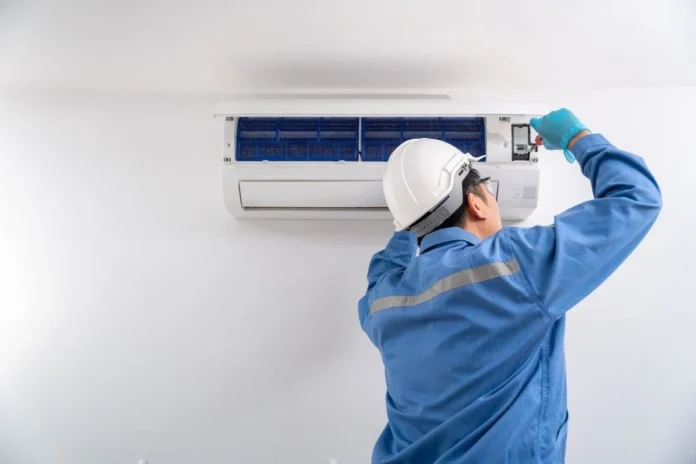

Air conditioning is often judged by one simple question: does the home feel cool when temperatures rise? Yet comfort depends on far more than whether a unit turns on and blows cold air. The size of the system plays a major role in how evenly the home cools, how long the equipment lasts, and how efficiently it operates during daily use. That is why AC installation matters so much. A system that is too large or too small can create ongoing problems that affect comfort, humidity, energy use, and reliability. Proper installation helps match cooling capacity with the home’s actual needs from the start.
Why Sizing Shapes Performance
- A Wrong Size Can Create Problems From Day One
When an air conditioning system is installed without careful attention to sizing, the problems can begin almost immediately, even if the equipment is new. A unit that is too small may run for long stretches and still struggle to cool the house during the hottest hours of the day. On the other hand, a unit that is too large may cool the air too quickly, shut off too soon, and leave behind uneven temperatures or excess indoor humidity. AC installation matters because sizing is not just about square footage. It also depends on insulation, window exposure, ceiling height, duct conditions, and how the home handles heat throughout the day. In many cases, homeowners researching Central Air Conditioner Installation in Carlsbad may already be trying to understand why sizing decisions affect much more than initial cooling power. A poorly matched system can make a new installation feel disappointing, not because the equipment is defective, but because the home and the unit were never aligned properly in the first place.
- Oversized Systems Can Still Leave a Home Uncomfortable
Many homeowners assume that a larger air conditioner automatically means stronger performance, but that idea often leads to the wrong outcome. An oversized system can lower the temperature quickly without running long enough to remove enough moisture from the air. As a result, the home may feel cool for short periods yet still seem damp, sticky, or uneven from room to room. This matters because comfort is not created by temperature alone. Humidity, airflow, and cycle length all shape how the indoor environment feels throughout the day. AC installation is important because it helps prevent the mistake of treating bigger equipment as a safer choice when it may actually reduce overall comfort. Short cycling can also increase wear by causing the system to start and stop more often than it should. Over time, that repeated strain can affect performance and leave homeowners wondering why a recently installed system feels inconsistent. A properly sized unit is not meant to overpower the home. It is meant to cool the space in a steadier, more balanced way that supports comfort rather than interrupting it.
- Undersized Equipment Can Struggle Through Peak Weather
A system that is too small creates a different set of problems, but they can be just as frustrating. Instead of cycling off too quickly, undersized equipment may run almost constantly during periods of strong heat and still fail to reach the thermostat setting. Rooms farther from the main air path may stay warm, indoor temperatures may climb during the afternoon, and the system may feel like it is always working without ever catching up. This is one reason AC installation matters so much when sizing can make or break performance. If the system does not have sufficient capacity for the home, it cannot provide the steady cooling homeowners expect when summer demand intensifies. That ongoing strain can also make daily operation feel inefficient because the equipment keeps working harder to overcome a demand it was not sized to meet. Homeowners may respond by lowering the thermostat further, but that does not solve the underlying mismatch. A better installation approach considers how the house gains heat and how much cooling is actually needed so the system can perform with more stability when outdoor temperatures rise.
- Installation Decisions Affect Efficiency, Airflow, and Long-Term Reliability
System sizing influences more than day-to-day comfort. It also affects how efficiently the equipment operates and how well the rest of the cooling setup supports the home over time. A properly sized air conditioner is more likely to run in a pattern that supports balanced airflow, steadier temperatures, and reasonable cycle lengths. That creates conditions the system can handle without unnecessary stress. AC installation is important because the sizing decision connects directly to long-term performance. If the capacity is wrong, even a high-quality system may never operate the way homeowners hoped. Ductwork may seem underperforming, certain rooms may remain inconsistent, and energy use may feel disproportionate to the results. Over the years, that mismatch can influence how often the system needs attention and how much confidence the homeowner has in the equipment overall. Installation is not just the act of placing a unit beside the house and connecting it to power and ductwork. It is the process of making sure the system fits the home in a way that supports comfort, airflow, and dependable operation through changing weather conditions.
A Better Fit Creates Better Cooling
AC installation is important, as system sizing can make or break performance; the comfort of a home depends on more than just having new equipment in place. A system properly matched to the home can cool more evenly, manage humidity more effectively, and operate under less strain throughout the season. A system that is too large or too small can lead to repeated frustration even when the equipment itself is new. Proper sizing helps the installation support how the home actually behaves, giving homeowners a better chance of comfort, efficiency, and lasting performance rather than ongoing compromise.