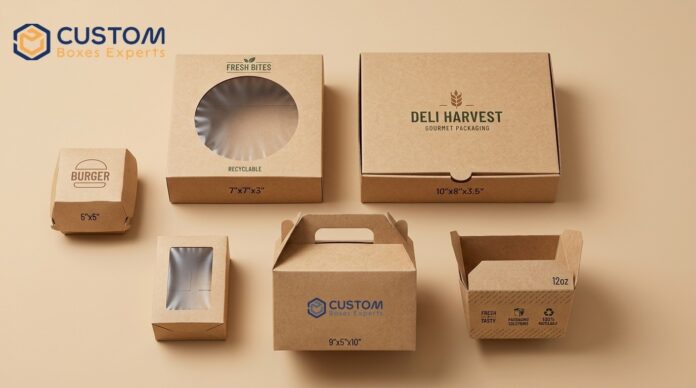

Let’s be completely honest for a second. If you are running a restaurant or a small food business right now, how you wrap your food is just as critical as how it tastes. The days are completely gone when throwing a meal into a cheap plastic tub and shoving it into a grocery bag was acceptable. Today, that delivery box is the very first thing your customer touches. It tells your business’s story before they even get a whiff of the food inside.
As we move through 2026, people want way more from a Food Box Packaging. They are not just looking for something that stops their soup from leaking all over the delivery driver’s bike. They expect to see green choices, sharp designs, and practical setups that actually make sense. At the same time, governments around the world are passing strict laws to ban single-use plastics. If you want your restaurant to survive, stay relevant, and not get hit with massive fines, you simply have to change how you pack your meals.
Going Green is Expected, Not an Option anymore
If your kitchen is still packing up delivery orders in those old-school, clear plastic tubs, you are losing customers right now. It is that simple. Today’s diners actually stop and think about the environment before they hit the order button on their phones. A lot of them will straight up stop buying from a brand if they feel the packaging is wasteful or bad for the planet.
Because of this massive shift, materials like kraft paper, molded fiber, sugarcane bagasse, and recycled cardboard are taking over every commercial kitchen. Making the switch to these items is not a clever marketing gimmick anymore. It is just the basic baseline standard if you want your business to look modern, serious, and responsible. If you don’t switch, you just look out of touch.
Your Box is Your Best Free Billboard
Think about what happens when someone orders takeout from your app or a delivery platform. That box is the only physical link they have to your physical restaurant. Using a plain, blank, generic container is a huge waste of marketing space that you already paid for.
Smart restaurant owners are investing heavily in custom printed boxes that show off their unique logo, their brand colors, and their overall vibe. It makes opening the meal feel like an event. Plus, let’s look at the social media angle. If a box looks genuinely cool or unique, people are going to snap a quick picture and post it on their Instagram stories or TikTok. That is literally free word-of-mouth marketing for your kitchen, and all it took was a better box design.
Tech is Changing the Box Game
Technology has officially moved off our screens and onto our custom food boxes. You probably see QR codes on almost everything these days, but restaurants are getting really creative with how they use them to connect with diners.
A quick scan on a burger box or a salad bowl can instantly show a customer a list of allergen details, unlock points for a loyalty program, or open up a page to leave a quick Google review. Some of the bigger fast-food chains are even testing smart labels that change color based on how fresh or hot the food is inside. This kind of tech builds huge trust because it proves you aren’t hiding anything.
Solving the Sogginess Delivery Problem
Food delivery apps are not slowing down, but keeping food hot and fresh during a twenty-minute ride on the back of a motorbike is incredibly tough. Nobody wants to pay good money for a burger only to open it up and find a cold, soggy mess.
Because of this nightmare scenario, restaurants are focusing heavily on boxes built specifically for travel. We are seeing things like hidden ventilation slots that let steam out without losing the actual heat, better leak-proof seals for saucy dishes, and safety strips that prove no one messed with the food on the way. Spending a little bit of extra cash here pays off instantly through better online ratings and way fewer refund requests.
What’s Happening with Burger Boxes?
Burgers are consistently one of the most ordered items on the planet, so their packaging gets a massive amount of engineering attention. The main enemy of a good delivery burger is condensation.
The newest Custom Burger Boxes are all about advanced moisture control. They are built to hold the heat in but stop the internal humidity from turning the bun into wet mush. Combined with high-quality, grease-resistant coatings, these boxes ensure the burger looks beautiful and structurally sound when it gets to the customer’s couch. It needs to look like it didn’t just survive a traffic jam.
Keeping Designs Simple and Clean
When you look at the visual design of modern boxes, loud colors, cartoon characters, and messy graphics are completely out of style. Simple, clean layouts are winning the market right now.
Using basic, readable fonts, earthy tones, and natural paper textures looks high-end, clean, and highly professional. It also happens to mean you use less ink during printing, which keeps your production costs down and fits perfectly into the eco-friendly aesthetic that modern customers want to see in their homes.
New Laws and Total Safety Standards
The legal landscape for restaurants has changed completely over the last year. Regulatory bodies are putting incredibly strict bans on things like PFAS. These are the “forever chemicals” that factories used to use to make paper greaseproof, but they are bad for human health.
Restaurants can no longer ignore this. They are now forcing their suppliers to provide fully certified, chemical-free packaging. Staying ahead of these environmental laws keeps you out of legal trouble and shows health-conscious families that you actually care about what they are eating.
Using Right-Sized Materials to Save Cash
Efficiency is everything right now because food costs are high. Big, bulky boxes are annoying because they cost more to ship and take up way too much physical space in a crowded kitchen line.
Rather than packing a small amount of fries in a large, standard-size box, the new method involves the use of a box that is specifically made to accommodate the size of the food. This ensures the safety of the food and prevents wastage of food, in addition to saving you cash on every order you ship out.
Sharing the Full Story with Diners
These days, consumers demand transparency about the exact contents of what is going inside their bodies and proper guidance as to what they should do with the packaging after consumption.
The package itself has now become a powerful medium that allows people to inform consumers about the origin of their locally sourced products, to mention any possible allergens, or to provide detailed information on how to go about composting or recycling the package. All this information can be provided through the use of QR codes linked to a website with complete information.
The Big Picture
Wrapping it all up, food packaging in 2026 is definitely not just about utility or holding food anymore. It is a smart mix of style, modern tech, and being a responsible business owner. Sticking with outdated, boring plastic containers will just push your customer base straight into the arms of your competitors and create legal headaches with the new plastic bans. The restaurants that will grow this year are the ones using clean, sustainable, and well-designed custom packaging that protects the food while making the brand look amazing.