
Every long stream leaves behind two things: a VOD and a vague memory that some good moments happened. That memory is enough to make a creator want clips, but it is not enough to find them efficiently. A three-hour recording may contain a clean win, a tense near-loss, an unexpectedly funny exchange, and ninety minutes that were enjoyable live but do not hold up as short-form video.
The mistake is treating the whole VOD like an editing assignment. It is not. It is source material. The first task is to turn it into a small set of candidates worth looking at, then decide which of those candidates have enough context to become posts.
A useful Twitch VOD clipper helps with that first task. It should narrow the search without pretending that all detected moments deserve to be published. The creator still decides whether the clip tells a story, shows their style of play, or gives a new viewer a reason to stop scrolling.
A VOD is evidence, not a to-do list
When creators open a full recording with no plan, they often begin at the start and scrub forward. That feels responsible, but it is a poor use of attention. The point is not to prove that every minute was watched. The point is to find the moments viewers will want to replay or send to someone else.
Start by describing what a good clip looks like for the channel. A tactical shooter player may care about the full arc of a clutch: the risky position, the first pick, the pause, and the final decision. A variety streamer may care more about a surprising reaction or a piece of chat that changes the mood. A competitive player who teaches viewers may want the decision just before a play works.
Those definitions make the search less random. They also prevent the most common clipping mistake: choosing every visible achievement and missing the moments with actual personality.
High activity is not the same thing as a highlight. A real highlight gives a viewer enough setup to understand why the payoff matters.
Find sequences, not isolated outcomes
A final elimination is usually the end of a clip, not the beginning. In isolation, it can look like a random image on screen. The few seconds before it may be where the tension lives: low health, a teammate’s callout, a bad gamble, or a small mistake that almost ruins the round.
This is why candidates need a review pass. Watch the section before the detected event and ask whether a stranger would understand the situation. If the answer is no, extend the start point. If the setup is slow, keep only the detail that makes the finish make sense. A strong short keeps the viewer oriented while moving quickly.
The same rule applies to funny moments. The reaction is rarely enough by itself. Leave in the beat that caused it, even if that means the final clip is a few seconds longer than the original cut.
Make the first pass quick and specific
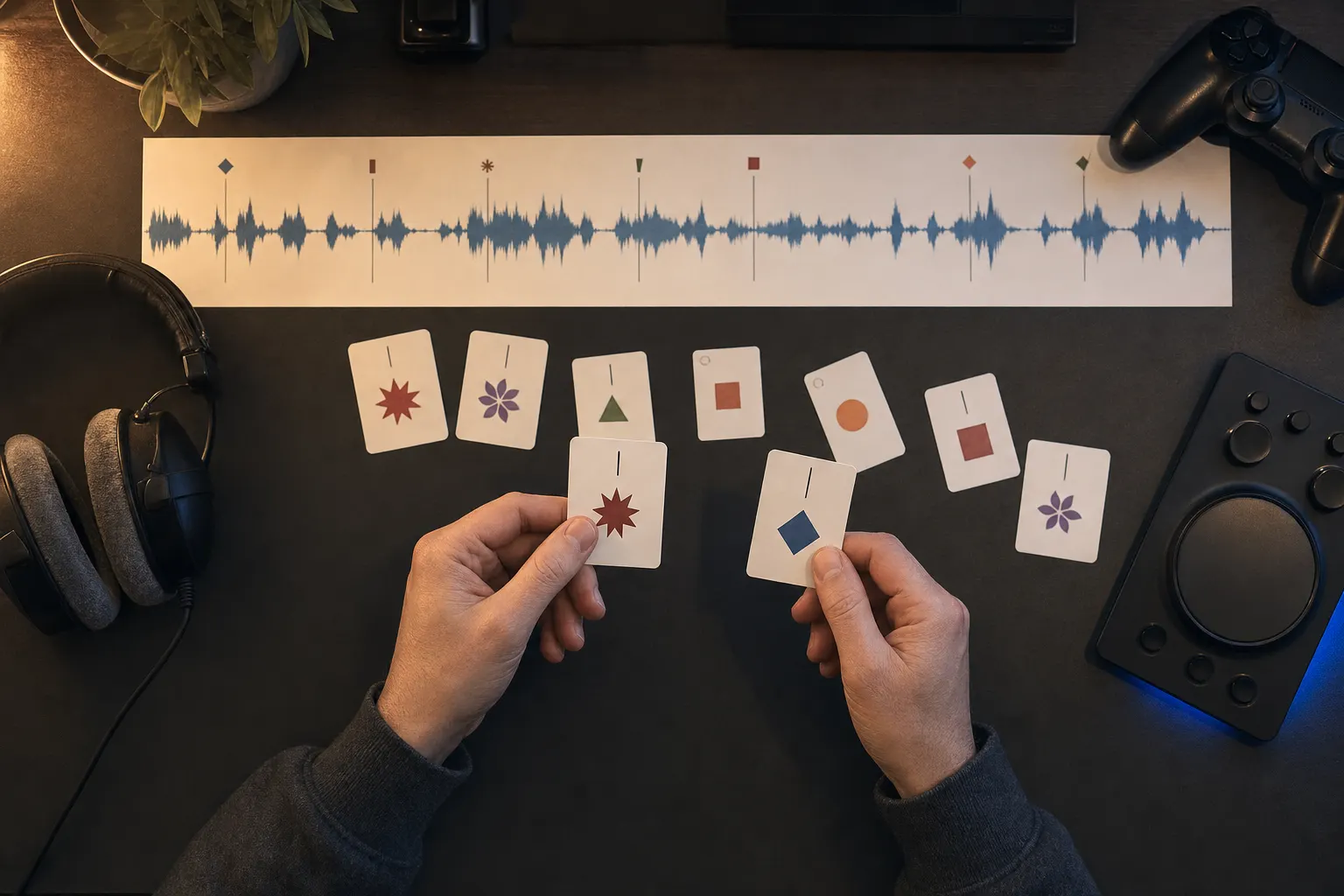
The first pass should answer only one question: does this section have a usable beginning and ending? Avoid adding captions, music, or elaborate effects before that answer is clear. Those finishing tasks are fast only when the underlying moment is already worth the work.
| Candidate type | What to check | What usually needs adjustment |
|---|---|---|
| Clutch or comeback | Can the viewer see the risk before the win? | Move the start point earlier |
| Funny interaction | Does the cause of the reaction stay in the clip? | Keep one extra conversational beat |
| Skill sequence | Is the full play readable at vertical size? | Check the crop and timing |
| Useful gameplay decision | Does the choice get explained before the result? | Add a concise caption or voice cue |
By separating selection from finishing, creators stop spending an hour polishing a clip that was never going to be satisfying. They also build a more varied pool: one clear win, one human moment, and one clip that helps newer viewers understand how they play.
Where a Twitch VOD clipper earns its place
Automation is most useful at the point where repetition becomes a tax. A Twitch VOD clipper can accept a Twitch URL or uploaded video, scan gameplay for moments such as kills, aces, clutches, and funny interactions, and return vertical candidates for review. That replaces the least creative part of the process: the search through hours of footage.
It does not eliminate the editor. A creator still chooses the start and end, checks whether a crop keeps the important action in frame, and decides which moments sound like their channel. Tools that offer trim controls, vertical framing, captions, and a way to combine clips are useful because they keep that review in one workflow rather than sending every candidate through several apps.
Build a post-stream habit that you can keep
Consistency rarely comes from forcing yourself to make clips after every stream. It comes from making the next step small enough that you will actually do it. Process the VOD, review a limited number of candidates, save the best two or three, and finish only the clips that have a clear reason to exist.
Over time, track which type of clip brings the right people back. A huge reaction may get views but not attract the audience you want. A thoughtful gameplay decision may travel less widely and still create better comments, follows, or repeat viewers. Keep the evidence from those posts and refine the definition of a highlight for your own channel.
Let the VOD become a library, not a backlog
Long streams contain more material than anyone can post in a day. That is an advantage once the VOD is treated as a library rather than an obligation. The right clipping workflow surfaces promising moments, protects the context that makes them watchable, and leaves the final decision with the person who knows the audience.
Then the end of a stream is not the beginning of another editing marathon. It is the start of a short, focused review that gives the best moments a second life.