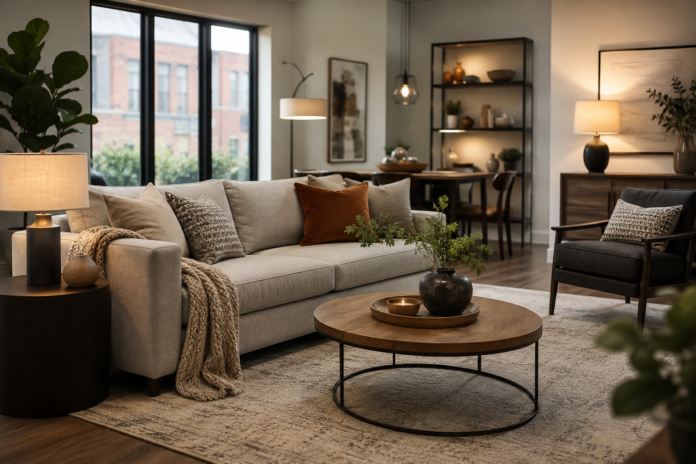

Your home should feel like yours—not a showroom floor, not a catalog page. Finding the right furniture takes more than just picking pieces you like. It takes knowing where to shop, what to look for, and how to bring it all together.
Detroit has a rich design culture. From its storied architectural history to its thriving arts scene, this city has always had a strong sense of style. That same spirit carries into how Detroiters furnish their homes—with intention, character, and a preference for quality that lasts. If you’re on the hunt for a reliable Home Furniture Store in Detroit, Michigan, this guide will walk you through everything you need to know before you buy.
What Makes a Great Home Furniture Store?
Not all furniture stores are created equal. The difference between a forgettable shopping experience and a genuinely helpful one comes down to a few key things: product variety, knowledgeable staff, and a clear focus on the customer’s vision—not just the sale.
A great store carries pieces across multiple styles. Whether you lean toward modern minimalism, rustic warmth, or classic elegance, you should never feel like you’re compromising. The best stores also understand that furniture rarely exists in isolation. A sofa needs the right rug. A dining table needs the right lighting. When a store can help you see the full picture, that’s when you know you’re in the right place.
Why Detroit Homeowners Take Their Furniture Seriously
Detroit is a city that builds things. That DIY, maker-culture mentality runs deep here, and it shows up in how residents approach their living spaces. Detroit homeowners tend to prioritize craftsmanship. They want pieces that hold up—through Michigan winters, through decades of family life, through changing tastes.
Local shopping also matters to this community. When you support a Home Furniture Store in Detroit, Michigan, you’re investing in your neighborhood, not just your home. That connection between consumer and community is something big-box retailers simply can’t replicate.
How to Choose Furniture That Works for Your Space
Before you walk into any store, it helps to have a plan. Here’s how to approach the process:
Start with Your Room’s Dimensions
Measure your space before you fall in love with a piece. A sectional that looks perfect in a showroom can overwhelm a smaller living room. Bring a floor plan sketch—even a rough one—and use it as your guide.
Define Your Style Priorities
Do you want your home to feel calm and airy? Warm and layered? Bold and expressive? Knowing your answer before you shop saves time and prevents impulse purchases you’ll regret later.
Think About Lighting Early
Furniture and lighting are deeply connected. A beautiful wooden dining table looks entirely different under harsh overhead lighting versus a soft pendant. Stores that carry both furniture and lighting fixtures give you a real advantage—you can see how pieces interact before committing.
Prioritize Function Alongside Form
A stunning piece that doesn’t serve your lifestyle quickly becomes a frustration. Storage ottomans, extendable dining tables, and modular shelving units are worth considering, especially in homes where space is at a premium.
Don’t Rush the Process
Good furniture is an investment. Take your time, visit the store more than once if needed, and ask questions. Staff who know their inventory well can often suggest options you wouldn’t have considered on your own.
The Role of Lighting in Home Design
Lighting is one of the most underestimated elements in home design. It can make a small room feel spacious, a neutral palette feel warm, and a simple piece of furniture feel extraordinary.
Overhead fixtures set the tone for a room. Floor lamps add dimension and intimacy. Table lamps anchor a space and provide task lighting where you need it most. When you’re furnishing a home, lighting shouldn’t be an afterthought—it should be part of the conversation from the very beginning.
Stores that carry a thoughtful selection of lighting alongside furniture make the design process significantly easier. You can coordinate finishes, test how different light temperatures affect your furniture choices, and leave with a cohesive vision rather than a collection of mismatched pieces.
Bringing It All Together: Creating a Cohesive Home
The goal of furnishing a home isn’t to fill rooms—it’s to create spaces that feel intentional. Every piece should earn its place. That means thinking about how furniture, lighting, color, and texture interact across your entire home, not just within individual rooms.
A few principles that hold true across styles:
- Anchor each room with one statement piece, then build around it.
- Repeat finishes or materials across rooms to create visual continuity.
- Layer your lighting—combine overhead, ambient, and task lighting in every room.
- Leave room to breathe. Overcrowding a space, even with beautiful pieces, makes it feel smaller and more stressful.
- Invest more in the pieces you use most. Your sofa, dining chairs, and bed frame will see daily use—quality matters there more than anywhere else.
What to Expect From a Trusted Local Furniture Store
Shopping at a dedicated Home Furniture Store in Detroit, Michigan means you’re getting something different from a generic chain retailer. You’re getting local expertise, curated selections, and staff who understand the specific character of Detroit homes—their layouts, their histories, and their potential.
The best local stores also tend to carry a wider range of price points than people expect. You don’t have to spend a fortune to find quality. What matters is knowing what to look for, and having knowledgeable people around who can help you find it.
Start With Your Home, Not a Trend
Trends come and go. A well-chosen piece of furniture, paired with the right lighting and placed in a room that’s been thoughtfully considered, doesn’t go out of style. It becomes part of your home’s story.
Detroit is a city with deep roots and a forward-looking spirit. The homes here deserve furniture and lighting that reflect both. Take your time, shop with intention, and don’t settle for pieces that don’t genuinely work for your space.
When you’re ready to start, visit a local showroom, ask questions, and trust the process. The right home begins with the right choices—and those choices start the moment you walk through the door.
Frequently Asked Questions
What should I look for when choosing a home furniture store in Detroit, Michigan?
Look for stores with a wide product range, knowledgeable staff, and a selection that includes both furniture and lighting. A store that helps you see how pieces work together—not just individually—will make the furnishing process much smoother.
How do I know if a furniture piece is good quality?
Check the construction materials, joinery, and finish. Solid wood frames, dovetail joints, and high-density foam cushions are signs of durable, well-made furniture. Don’t hesitate to ask store staff about the materials used in any piece you’re considering.
How important is lighting when furnishing a home?
Very important. Lighting affects how every piece of furniture looks and how every room feels. Shopping at a store that carries both furniture and lighting fixtures makes it easier to coordinate your selections and achieve a cohesive look throughout your home.
Is it better to shop locally for furniture rather than online?
Shopping locally lets you see, touch, and assess furniture in person before buying. You can check dimensions against your floor plan, test comfort, and get personalized guidance from staff. For significant purchases like sofas, beds, and dining tables, in-person shopping is usually worth the extra effort.
How do I create a cohesive look across multiple rooms?
Repeat materials, finishes, or color tones across rooms to create visual continuity. Anchor each room with one key piece, then layer in complementary items. Keeping your lighting consistent in style and temperature also helps tie different spaces together.