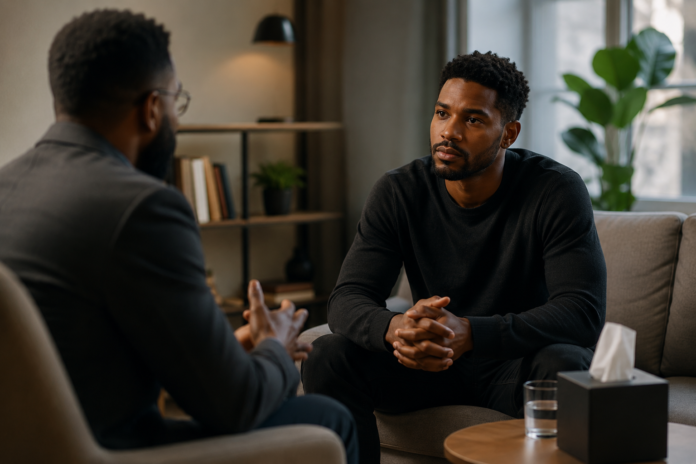

Black men face unique mental health challenges shaped by cultural expectations, systemic stress, and the pressure to stay strong. Therapy offers a space to process pain, build emotional tools, and grow—without judgment. Culturally informed therapists, like those at The NorCal Center for Men, help Black men heal on their own terms.
There’s a quiet weight that many Black men carry. It’s not always visible. It doesn’t always have a name. But it shows up—in sleepless nights, in strained relationships, in the feeling of being constantly “on” without ever getting a chance to rest. For generations, the expectation has been to endure. To push through. To be strong.
That narrative is starting to shift. Therapy for black men is no longer a fringe conversation—it’s becoming a lifeline for those ready to stop surviving and start living with intention. Across the country, more Black men are seeking mental health support, and for good reason.
The Cultural Weight Black Men Are Carrying
Black men operate in a unique emotional landscape. From an early age, many are taught that vulnerability is weakness—that asking for help signals failure. These messages don’t come from nowhere. They’re rooted in survival strategies passed down through generations navigating racial trauma, systemic inequality, and environments that rarely offered safety or softness.
The result? Many Black men become experts at pushing pain down. They show up for everyone else while quietly struggling inside. And over time, that suppressed stress doesn’t just disappear—it surfaces as anxiety, emotional numbness, anger, or disconnection from the people they love most.
What Therapy Actually Looks Like for Black Men
One of the biggest misconceptions about therapy is that it requires you to sit in a room and cry while someone takes notes. The reality is far more practical.
Good therapy helps you understand your patterns—why you react the way you do, what’s driving your stress, and how to build the emotional skills that make every area of life better. For Black men specifically, effective therapy includes:
- Processing racial trauma and chronic stress tied to lived experiences of discrimination
- Strengthening relationships at home, at work, and within the community
- Building emotional tools to regulate stress without shutting down
- Developing self-awareness that leads to more intentional decision-making
- Healing from past trauma so it stops running the show
Therapy isn’t about being broken. It’s about getting sharper—emotionally, mentally, and relationally.
Why Cultural Understanding Matters in the Therapy Room
Not all therapy is created equal. A therapist who doesn’t understand the cultural context of a Black man’s life can do more harm than good—defaulting to advice that feels tone-deaf, or missing the deeper layers of what a client is actually carrying.
Culturally aware therapy meets Black men where they are. It acknowledges the reality of navigating racism in daily life. It understands the complexity of family dynamics, community expectations, and identity. And it doesn’t ask a client to shrink or translate himself to be understood.
This is why black men therapy in Bay Area and Sacramento has grown in demand. Black men are seeking out therapists who get it—professionals who can hold space for both the personal and the systemic, without judgment or dismissal.
Common Reasons Black Men Seek Therapy
There’s no single reason a man decides to seek support. Some come after a crisis. Others come when they notice patterns they can’t seem to break on their own. Here are some of the most common areas therapy addresses:
Stress and emotional overwhelm
The pressure to perform—as a provider, a partner, a professional—is relentless. Therapy helps men identify what’s driving that stress and develop strategies that actually work.
Relationship challenges
Difficulty communicating, recurring conflict, emotional distance—these patterns often have roots that therapy can uncover and address.
Trauma and grief
Whether it’s loss, childhood wounds, or experiences tied to racial violence and injustice, therapy creates a space to process what’s been too heavy to hold alone.
Confidence and self-worth
Many men walk into therapy having achieved a lot externally while feeling disconnected from themselves internally. Therapy helps rebuild that foundation.
Anxiety and depression
These don’t always look the way people expect in Black men. They may show up as irritability, withdrawal, or physical tension. Therapy provides the tools to manage and move through them.
Finding the Right Therapist: What to Look For
Choosing a therapist is a personal decision, and it’s worth being selective. Here are a few things to consider:
- Cultural competency: Does the therapist demonstrate an understanding of the Black male experience—not just in theory, but in how they engage?
- Specialization: Look for therapists who work specifically with men, trauma, or the issues most relevant to your life.
- Comfort: The therapeutic relationship is everything. If something feels off after a session or two, it’s okay to keep looking.
- Accessibility: Teletherapy has made mental health support more accessible than ever. Many therapists now offer sessions online, which removes geographic barriers and makes it easier to show up consistently.
The NorCal Center for Men: Support Built for Black Men
The NorCal Center for Men provides therapy for black men across Sacramento, the San Francisco Bay Area, and Northern California. Their work is grounded in cultural awareness and focused on real outcomes—helping men manage stress, strengthen relationships, heal from trauma, and build lasting confidence.
What makes their approach stand out is the understanding that resilience and healing are not opposites. Black men don’t need to abandon their strength to seek support. Therapy, done right, makes that strength more sustainable.
The First Step Is Often the Hardest One
Starting therapy doesn’t require a crisis. It doesn’t require hitting rock bottom. It just requires deciding that you deserve support—and that you’re ready to invest in yourself the same way you invest in everything else.
The men who show up to therapy consistently, who engage honestly, and who give themselves permission to grow—those men see real change. In how they feel. In how they relate to others. In how they move through the world.
If you’re a Black man in Northern California looking for mental health support that actually understands your experience, The NorCal Center for Men is worth reaching out to. A confidential consultation is the first step toward getting the support you deserve.
Frequently Asked Questions
Is therapy effective for Black men who’ve never done it before?
Yes. Many men come to therapy with no prior experience and find significant benefit. The key is working with a culturally competent therapist who understands the specific context of a Black man’s life and can meet you where you are.
How do I find a therapist who understands the Black male experience?
Look for therapists who specialize in working with men of color, who explicitly mention cultural competency, and who have experience with racial trauma. Centers like The NorCal Center for Men are specifically designed to serve this population.
What if I’m not sure what I need help with?
That’s completely normal. Most therapists begin with an intake or consultation process that helps identify what you’re carrying and what kind of support would be most useful. You don’t need to have everything figured out before your first session.
Is online therapy a good option for Black men?
Online therapy is a highly effective option and removes many barriers—geographic, scheduling, and stigma-related. Many Black men find it easier to begin therapy when they can do so from a private, comfortable space.
How long does therapy take to work?
It depends on what you’re working through and how consistently you engage. Some men notice meaningful change within a few sessions. Deeper work—like healing from trauma—often takes longer. Most therapists will discuss a realistic timeline during an early consultation.