
The manufacturing landscape has undergone a profound transformation over the past two decades. Where mass production once dominated the conversation, today’s most competitive businesses are turning to custom fabrication and specialized manufacturing to differentiate their products, meet niche market demands, and build lasting brand equity. From mobile marketing units to large-scale industrial structures, the ability to engineer and produce purpose-built solutions has become a defining advantage across virtually every sector of the economy.
The Rise of Purpose-Built Manufacturing Solutions
Custom manufacturing is no longer a luxury reserved for aerospace giants or defense contractors. Small and mid-sized businesses are increasingly recognizing that off-the-shelf solutions often fall short of their operational requirements. Whether it is a retail brand seeking a mobile showroom, a food company needing a specialized trailer, or an industrial firm requiring custom-fabricated structural components, the demand for tailored manufacturing has surged across industries.
This shift is being driven by several converging forces. Consumer expectations have grown more sophisticated, supply chains have become more complex, and the competitive pressure to stand out in crowded markets has intensified. Businesses that invest in custom-built assets — whether physical structures, branded vehicles, or specialized equipment — are better positioned to deliver consistent, high-quality experiences that generic products simply cannot replicate.
Engineering Meets Brand Identity
One of the most compelling intersections in modern manufacturing is the fusion of structural engineering with brand identity. Companies are no longer content with functional assets that merely perform a task. They want those assets to communicate their brand story, attract attention, and serve as mobile or stationary marketing platforms. This is where custom fabrication becomes a strategic investment rather than a simple operational expense.
Branded trailers, experiential marketing vehicles, and custom display structures are prime examples of this philosophy in action. When engineered and fabricated with precision, these assets can travel across the country, appear at trade shows and events, and generate thousands of brand impressions — all while performing their core functional purpose. The return on investment from a well-designed, custom-fabricated asset can far exceed that of traditional advertising spend.
Expanding OEM Capabilities and Diverse Industry Applications
The scope of custom manufacturing has expanded well beyond traditional sectors. Original equipment manufacturers (OEMs) are increasingly partnering with specialized fabricators to develop components and complete assemblies that meet highly specific performance criteria. This collaborative model allows OEMs to focus on their core competencies while leveraging the expertise of dedicated fabrication specialists. According to a recent industry announcement, Go Industries has expanded its OEM custom manufacturing and fabrication services for diverse industry applications, reflecting a broader industry trend toward specialized, scalable production capabilities that serve multiple verticals simultaneously.
This expansion of OEM services signals a maturing market where fabricators are no longer passive suppliers but active partners in product development. The ability to work across diverse industries — from transportation and logistics to retail, entertainment, and defense — requires a depth of engineering knowledge, material science expertise, and project management capability that only the most established fabricators can offer.
Material Innovation and Structural Integrity
At the heart of any successful custom fabrication project is a commitment to material quality and structural integrity. Modern fabricators work with an increasingly diverse palette of materials — high-strength steel alloys, aluminum composites, advanced polymers, and hybrid material systems — each selected for its specific performance characteristics. The choice of material affects not only the durability and weight of the finished product but also its aesthetic qualities, maintenance requirements, and long-term cost of ownership.
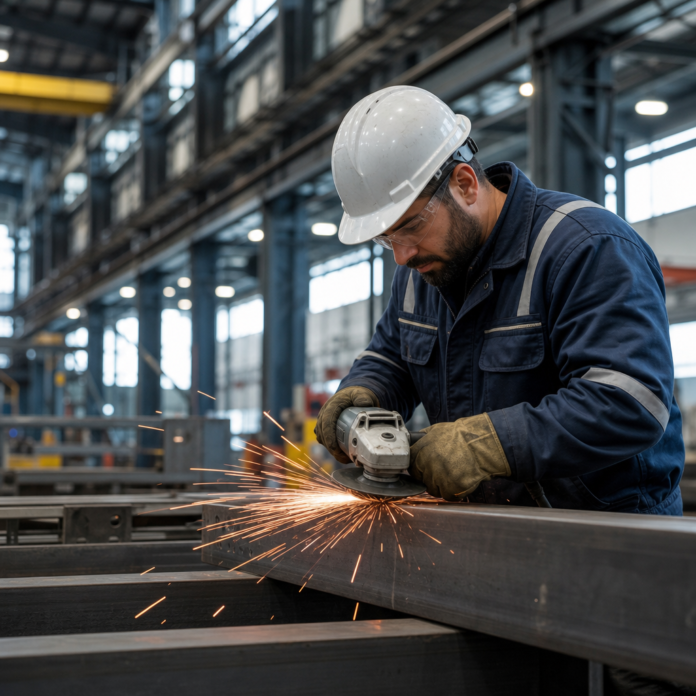
Precision welding, CNC machining, and advanced surface finishing techniques have elevated the quality standards achievable in custom fabrication. When these capabilities are combined with rigorous quality control processes and experienced engineering oversight, the result is a finished product that meets or exceeds the performance specifications of mass-produced alternatives — while delivering the unique characteristics that only custom work can provide.
Craftsmen Industries: A Legacy of Custom Fabrication Excellence
Craftsmen Industries has established itself as a premier name in custom fabrication, specializing in the design and manufacture of specialty vehicles, trailers, and branded marketing structures. With decades of experience serving Fortune 500 companies and emerging brands alike, the company brings a rare combination of engineering rigor and creative vision to every project it undertakes. Their portfolio spans mobile marketing units, experiential retail environments, and complex industrial fabrications — all built to exacting standards and delivered with the kind of craftsmanship that defines long-term value.
What distinguishes leading fabricators in this space is not simply the quality of their metalwork or the sophistication of their engineering — it is their ability to translate a client’s brand vision into a physical, functional asset that performs reliably in the field. This requires close collaboration between designers, engineers, and project managers from the earliest stages of concept development through final delivery and deployment.
Custom Manufacturing as a Marketing and Commerce Strategy
The strategic value of custom-fabricated assets extends well beyond their physical function. In an era where experiential marketing and direct consumer engagement have become critical components of brand strategy, purpose-built structures and vehicles serve as powerful commerce and marketing tools. Businesses that deploy custom fabricated assets as part of their go-to-market strategy are effectively creating mobile storefronts, interactive brand experiences, and high-visibility advertising platforms that operate wherever their customers are.
For businesses exploring how to integrate physical assets into a broader commerce strategy, understanding the relationship between custom manufacturing and marketing infrastructure is essential. Those looking to boost their ecommerce business model through innovative marketing approaches will find that physical brand activations powered by custom fabrication can complement digital strategies in powerful and measurable ways.
Scalability and Long-Term Asset Value
One of the most frequently overlooked advantages of custom fabrication is the long-term asset value it creates. Unlike disposable marketing materials or short-lived digital campaigns, a well-engineered custom structure or vehicle can serve a brand for years or even decades. With proper maintenance and periodic updates, these assets can be refreshed to reflect evolving brand identities without requiring complete replacement — making them among the most cost-effective long-term investments a business can make in its physical presence.
Conclusion: Building for the Future
The custom manufacturing and fabrication industry is at an inflection point. As businesses across every sector recognize the strategic value of purpose-built assets, demand for high-quality, specialized fabrication services will continue to grow. The companies that thrive in this environment will be those that combine deep engineering expertise with a genuine understanding of their clients’ brand and operational goals. From OEM partnerships to branded experiential vehicles, the future of manufacturing belongs to those who build not just for function, but for lasting impact.