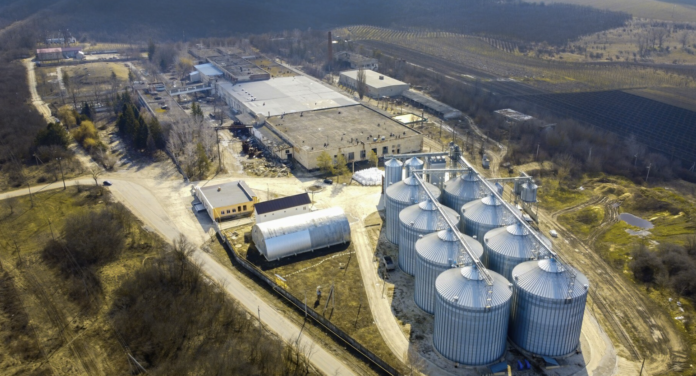

Regional toll manufacturers are one of the most effective ways to strengthen the Permian Basin chemical supply chain. They reduce supply risks, improve response times, and help operators avoid costly disruptions.
Supply chain problems in the chemical industry can cost oil and gas companies millions of dollars through delayed production and expensive emergency purchases. Working with a chemical toll manufacturing company closer to operations can help reduce these risks and create a more reliable supply network.
As companies focus on chemical supply chain resilience in Texas, regional partners are becoming an important part of long-term planning. They support a stronger toll manufacturing supply chain, improve Permian Basin logistics, and expand access to regional chemical manufacturing capabilities.
What Is Causing Supply Chain Fragility in the Permian Basin?
Many chemicals used in oilfield operations come from manufacturing centers located far from West Texas. This creates long transportation routes and increases supply risks.
When disruptions occur, every step in the supply chain becomes a potential failure point.
Key challenges include:
- Many operators depend on chemical products that are manufactured in distant production hubs, which increases transportation time and creates additional supply risks.
- Long transportation routes make it harder to maintain consistent delivery schedules when unexpected disruptions occur.
- A limited number of local backup suppliers can leave operators with fewer options during supply shortages or emergency situations.
- Weather events, labor shortages, transportation bottlenecks, and other external disruptions can quickly affect chemical availability.
- Uncertain inventory levels make it more difficult for companies to plan operations and maintain production efficiency.
Lessons From Recent Disruptions
The supply disruptions between 2020 and 2022 exposed weaknesses in the Permian Basin chemical supply chain. Many operators faced delays in receiving critical products.
These disruptions highlighted the need for stronger chemical supply chain resilience in Texas and greater investment in local production support. They also showed why expanding regional chemical manufacturing capacity can help reduce future supply risks.
The Cost of Emergency Procurement
When chemicals become unavailable, operators often pay premium prices to secure an emergency supply.
Common consequences include:
| Impact | Result |
| Delayed deliveries | Production interruptions |
| Emergency purchases | Higher chemical costs |
| Limited supplier options | Reduced negotiating power |
| Inventory shortages | Operational risk |
These challenges demonstrate why building a stronger Toll manufacturing supply chain should be a priority for operators across the region.
What Does Regional Toll Manufacturing Add to Supply Chain Resilience?
Regional manufacturers bring production closer to the point of use. This helps reduce transportation risks and improve reliability.
Their role becomes especially valuable during periods of high demand or unexpected disruption.
1. Fewer Failure Points
A shorter supply chain means fewer opportunities for delays. By reducing the distance between production and use, operators can improve reliability and maintain smoother operations.
Benefits include:
- Reduced transportation distance helps chemicals reach job sites faster and lowers the risk of shipping delays.
- Faster delivery schedules allow operators to respond more effectively to changing operational requirements.
- Better communication with nearby suppliers helps resolve issues quickly and improves coordination across the supply chain.
- Lower exposure to transportation disruptions reduces the likelihood of unexpected interruptions in chemical availability.
- Improved responsiveness allows operators to adjust purchasing and inventory decisions with greater confidence.
This approach strengthens the Permian Basin chemical supply chain while supporting better Permian Basin logistics.
2. Storage Capacity Creates a Buffer
Many regional facilities maintain storage capabilities that help protect customers during disruptions.
This inventory buffer improves chemical supply chain resilience in Texas by providing access to products when shipments are delayed. It also supports a more dependable Toll manufacturing supply chain during periods of market uncertainty.
3. Faster Reformulation and Scaling
Regional providers can often adjust production more quickly than distant manufacturers. This flexibility allows operators to respond faster when field requirements change.
Advantages include:
- Regional manufacturers can quickly adjust chemical formulations to meet changing field conditions and customer requirements.
- Production volumes can be increased more efficiently when demand rises unexpectedly across the basin.
- Greater flexibility in specialty chemical blending helps operators obtain products tailored to specific applications.
- Local support allows manufacturers to work closely with customers and respond faster to operational challenges.
These capabilities strengthen the Toll manufacturing supply chain and increase the value of regional chemical manufacturing.
Why Does Dual-Sourcing Make Strategic Sense?
Relying on a single supplier creates unnecessary risk. Many operators reduce this risk through dual-sourcing strategies.
A regional toll manufacturer can serve as a secondary supplier while the primary supplier handles routine demand.
Benefits of Dual-Sourcing
- Reduced dependence on a single supplier lowers the risk of major disruptions when supply issues occur.
- Improved supply continuity helps operators maintain production even when one sourcing channel experiences delays.
- Greater purchasing flexibility allows companies to adjust sourcing strategies based on market conditions and demand levels.
- Better inventory management helps balance stock levels across multiple suppliers and storage locations.
- Lower disruption risk strengthens long-term supply reliability and improves operational stability.
This model supports stronger chemical supply chain resilience in Texas and creates a more dependable Permian Basin chemical supply chain.
Building a Cost-Efficient Structure
Companies can divide volume commitments between primary and secondary suppliers.
A balanced arrangement may include:
| Supplier Role | Purpose |
| Primary supplier | Routine supply volumes |
| Regional partner | Backup capacity and surge demand |
| Shared inventory strategy | Risk reduction |
This structure improves the Toll manufacturing supply chain while helping operators manage costs more effectively.
Inventory and Risk Sharing
Multiple sourcing channels help companies spread risk across suppliers.
Regional partners can maintain inventory closer to operations, supporting stronger regional chemical manufacturing networks and reducing downtime risk. This approach also improves Permian Basin logistics by keeping critical products closer to where they are needed.
What Makes West Texas an Ideal Blending Hub?
West Texas offers several advantages for chemical blending and storage operations.
Its location supports efficient movement of products throughout the basin.
1. Transportation and Logistics Advantages
The region benefits from established transportation infrastructure that supports efficient chemical movement across the area.
Key strengths include:
- Major highway access allows chemicals to move efficiently between manufacturing facilities, storage locations, and operating sites.
- Direct routes to key operating areas help reduce transit times and improve delivery reliability.
- Established trucking networks support the consistent movement of chemical products throughout the region.
- Reduced delivery times help operators maintain production schedules and avoid costly delays.
- Improved scheduling flexibility allows companies to respond more effectively to changing operational demands.
These advantages strengthen Permian Basin logistics and support a more reliable Permian Basin chemical supply chain.
2. Close to Midland and Odessa Operations
Proximity matters when production schedules are tight.
Local facilities can often respond faster than suppliers located hundreds of miles away. This supports both chemical supply chain resilience in Texas and a stronger Toll manufacturing supply chain.
3. Skilled Chemical Workforce
West Texas has a workforce experienced in chemical handling, blending, storage, and transportation.
This talent pool helps expand regional chemical manufacturing capabilities while supporting safe and efficient operations. As demand grows, regional chemical manufacturing continues to play an increasingly important role in supporting the region’s energy sector.
Closing Thoughts
Regional toll manufacturers provide a practical solution for reducing supply chain risk. They shorten delivery routes, improve inventory availability, and offer flexibility when market conditions change.
For operators focused on reliability and cost control, regional partnerships can strengthen the Permian Basin chemical supply chain and improve overall performance. As companies invest in stronger chemical supply chain resilience in Texas, a dependable Toll manufacturing supply chain, efficient Permian Basin logistics, and expanded regional chemical manufacturing capabilities will remain essential parts of a successful strategy.
FAQ
Q: What makes the Permian Basin a good location for chemical toll manufacturing?
A: The region’s proximity to major oil and gas operations, access to major highways, and experienced chemical handling workforce make it an ideal hub for regional chemical supply.
Q: How does a regional toll manufacturer improve supply chain resilience?
A: By reducing the geographic distance between blending and end use, regional manufacturers reduce exposure to long-haul transport disruptions, port delays, and supplier concentration risk.
Q: What is dual-source chemical procurement?
A: Dual-source procurement means maintaining two qualified suppliers for the same formulation, typically a primary (large, distant) and a secondary (regional). It reduces single-source dependency and provides supply continuity.