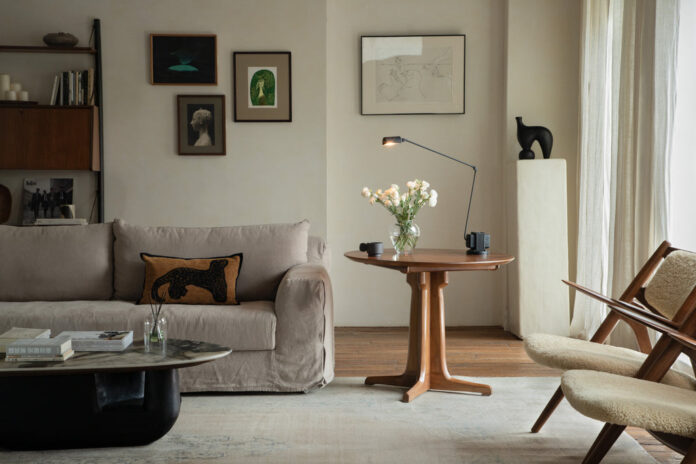

Moving into a new residence brings a mix of anticipation and logistical puzzles. Most people meticulously label boxes, wrap glassware, and assume that their existing household inventory will effortlessly transition into the new layout. However, the physical reality of changing properties often reveals a frustrating design anomaly: an expensive, deeply comfortable sofa or an elegant dining set that anchored your previous living room perfectly can feel entirely out of place, claustrophobic, or physically non-functional in the next.
This stark shift in compatibility is rarely about the quality of the items themselves. Instead, it stems from an intricate web of architectural differences, changing spatial proportions, and environmental lighting shifts. Taking a step back to re-evaluate how structural forms behave across different properties is essential before forcing a square peg into a round hole, and a visit to a well-regarded furniture store in Reno can provide fresh insight into scaling pieces properly for regional floor plans. Understanding the core drivers behind this relocation disconnect allows you to plan your interior transitions without succumbing to spatial frustration.
The Illusion of Scale and Volume
The primary culprit behind a piece of furniture failing in a new environment is a fundamental misunderstanding of spatial volume versus flat square footage. Two rooms can share identical length and width dimensions on a floor plan, yet feel completely distinct due to vertical height.
Ceiling Heights and Visual Mass
A deep, low-slung modular sectional looks balanced and grounded in a mid-century modern home with standard eight-foot ceilings. Move that exact same sectional into a new suburban build featuring ten-foot ceilings or a dramatic two-story great room, and the furniture suddenly loses its visual presence. It can appear awkwardly small, swallowed by the massive column of empty air above it. Conversely, high-backed wing chairs or heavy, towering armoires that felt majestic under lofty ceilings will crowd a more traditional floor plan, blocking sightlines and making the entire room feel dark and restricted.
Entryways, Hallways, and Delivery Physics
Sometimes, furniture fails before it even enters the room. Architectural footprints dictate how an item must travel through a home. A massive solid-oak dining table or a heavy king-size headboard might fit comfortably in your new dining room or primary suite, but if the new home’s entryway involves a tight ninety-degree turn, a narrow stairwell, or a low bulkhead ceiling, the piece becomes a structural liability. Navigating these hidden tight spots often results in scratched drywall, torn upholstery, or a piece of furniture permanently stranded in a garage.
Environmental and Architectural Variables that Alter Performance
Beyond pure spatial dimensions, the fundamental physical properties of a house ranging from window placement to structural flooring materials change how interior furnishings interact with their surroundings.
- Natural Lighting Orientations: The direction a room faces changes the hue and intensity of ambient light. A dark charcoal or deep navy fabric that felt cozy and sophisticated in a bright, south-facing sunroom can read as flat, heavy, and gloomy in a north-facing living space that receives minimal direct sunlight.
- Traffic Pattern Disruption: Every home has built-in paths of travel dictated by doors, heating vents, and electrical outlets. A media console that sat perfectly against a solid wall in an old apartment might now have to contend with a primary return-air vent or a critical wall switch, forcing it into an awkward position that cuts into the natural foot traffic of the room.
- Flooring Contours and Transitions: Furniture relies heavily on the surface beneath it to distribute weight evenly. Moving a large dining table from dense, noise-dampening carpeting to an unyielding luxury vinyl plank or natural hardwood floor changes both its stability and its acoustic presence, occasionally making a once-quiet table rattle or echo unpleasantly during daily meals.
Practical Strategies for Rebalancing Transferred Furniture
If you find yourself stuck with an expensive piece of furniture that feels fundamentally wrong in your new home, you do not necessarily have to get rid of it immediately. There are structural design interventions that can help harmonize a piece with its new environment.
If a low-profile sofa feels lost in a room with vaulted ceilings, adding vertical elements nearby such as a tall, slender arched floor lamp, large framed artwork, or vertical shelving can draw the eye upward and bridge the gap between the furniture and the ceiling. For sectionals that overwhelm a new living room, check if the modules can be unlinked. Removing a corner wedge or a middle seat can turn a sprawling piece into a manageable three-seater sofa and an independent accent chair, instantly freeing up valuable floor space.
Weighing the Choice: Retrofitting vs. Fresh Procurement
When managing a household relocation, deciding whether to force existing pieces to fit or start fresh involves a distinct balance of economic and functional considerations.
The Limits of Forcing a Mismatched Layout
The distinct downside to hanging onto mismatched furniture out of pure sentimentality or financial guilt is the daily friction it injects into your home life. Bumping your shins against a coffee table that is too large for the new walkway, or dealing with a wardrobe that blocks natural light, compromises the utility of your home. It turns a fresh residential start into a series of daily inconveniences, and can eventually cause premature, uneven wear on the furniture itself as people constantly squeeze past it.
The Value of Starting Fresh with Intentional Choices
Conversely, recognizing when to let a piece go opens up the opportunity to select items tailored explicitly to the architectural quirks of your new home. Sourcing structural foundations from a trusted regional source like RC Willey guarantees that your new items are backed by durable manufacturing standards designed to handle contemporary layout realities. This allows you to select pieces with the exact depth, scale, and textile profile required to complement your new home’s authentic lighting and traffic patterns, turning your space into a cohesive, effortlessly functional sanctuary.
Common Questions About Moving Furniture Between Homes
Why does my mattress feel completely different in my new bedroom?
This is a surprisingly common physiological reaction that usually stems from the subfloor construction. Moving from a bedroom with concrete slab flooring to one on a second story with wooden floor joists changes the amount of structural deflection beneath the bed frame, altering the perceived firmness of your mattress set.
How do I determine if a room can handle a dark color palette?
Look at the size and number of windows rather than just the square footage of the room. A small room with an abundance of natural daylight can easily handle dark furniture, while a vast basement family room with small egress windows will make dark wood finishes and heavy fabrics feel heavy and industrial.
What is the golden ratio for coffee tables to sofas?
To keep a living room layout looking proportional and functioning smoothly, your coffee table should be roughly two-thirds the total length of your sofa. In terms of height, the surface of the table should sit within one to two inches of the top of your sofa’s seat cushions to ensure comfortable accessibility.
Long-Term Planning for Future Transitions
Avoiding spatial layout failure in a new property comes down to precise documentation before the moving trucks are ever loaded. Long before packing up your existing home, take detailed measurements of the width, depth, and height of every major piece, and map them directly against a scaled blueprint of the target property.
By understanding how architectural volume, environmental lighting, and everyday traffic paths dictate the performance of your furnishings, you can avoid the common pitfalls of relocation design. Embracing a flexible mindset and prioritizing the proper scale and proportion of your core pieces ensures that your interior transition is smooth, protecting your investment and creating a balanced, harmonious household for years to come.