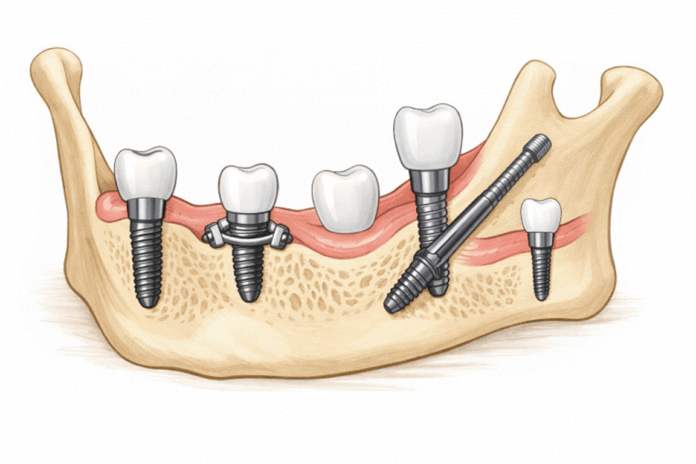

Dental implants have transformed the way dentists approach missing teeth, presenting patients with a durable and realistic solution to restore their smiles. However, the best results are achieved when the appropriate implant type is chosen for each individual’s situation. Understanding your choices is key when considering dental implants so you can work alongside your dental professional in pursuit of long-lasting oral health.
While most modern implants are designed to be robust and look natural, not all implants are suited to every person or dental issue. Factors such as bone quality, health conditions, and preferences can all influence which implant works best. By being informed about the different types of dental implants available today, you can make proactive decisions that support your unique needs and long-term satisfaction.
Because your oral health history and the condition of your jawbone are important, a dental evaluation is vital before starting the implant process. You should also consider the types of restoration available, from single-tooth solutions to full bridges or dentures, so you receive care customized to your lifestyle and oral function.
It is important to recognize that not all insurance plans offer the same coverage for implant procedures, and costs can vary. Your provider can help you understand the financial aspects so you get the best treatment for your budget. For additional details on the latest advances and studies in dental implants, you can visit this comprehensive resource from the Mayo Clinic.
Common Types of Dental Implants
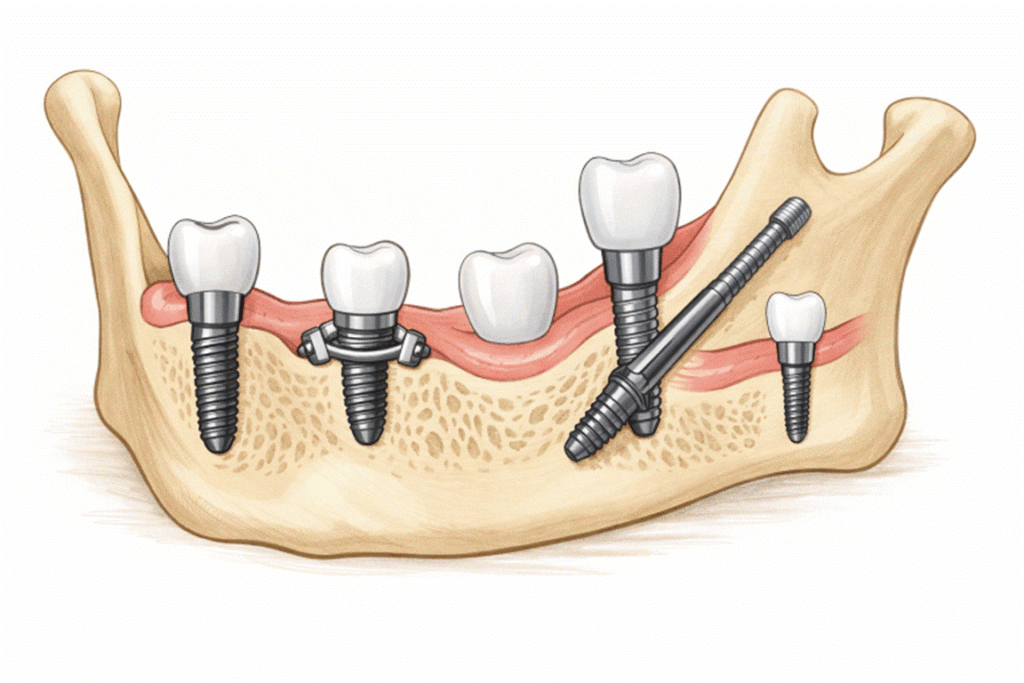
Dental implants come in several designs, each tailored to specific conditions and patient requirements. The most widely recognized types include:
Endosteal Implants
This is the most commonly used implant style and involves placing a screw-shaped post into the jawbone. Made of medical-grade titanium, endosteal implants deliver high stability and a natural feel, making them ideal for patients with strong, healthy jawbones. Studies report a long-term success rate for these implants of more than 95 percent, especially when ongoing oral hygiene is maintained. These are well-suited to those seeking individual tooth replacement or support for bridges and dentures.
Subperiosteal Implants
Unlike endosteal implants, subperiosteal versions rest on top of the jawbone but below the gums. They are recommended for patients with insufficient bone height or those unable to undergo bone augmentation. This type provides an important alternative when traditional implants are not possible, giving more people access to effective tooth replacement.
Zygomatic Implants
Used only in select cases, zygomatic implants are anchored in the cheekbone rather than the jaw. This method is reserved for patients with significant bone loss in the upper jaw. Zygomatic implants help avoid complex bone grafting, allowing for secure support of dental restorations even in challenging anatomical situations.
Mini Dental Implants
Mini implants are smaller in diameter and are largely chosen for situations where space is extremely limited or the jawbone cannot support full-size implants without further procedures. These can also be used to stabilize lower dentures, offering a minimally invasive and more affordable option for many individuals.
Factors Influencing Dental Implant Selection
The ideal dental implant solution varies based on your unique anatomy, dental goals, and overall health profile. These are the key elements to consider:
- Bone Density and Volume: Enough healthy bone is required to anchor an implant. If bone loss is present, your provider may recommend grafting or select an appropriate implant type.
- General Health Status: Chronic conditions like uncontrolled diabetes or osteoporosis can impact the body’s ability to heal, which plays a role in determining implant eligibility.
- Location and Number of Missing Teeth: Single implants, implant bridges, or full arches may be considered depending on which teeth are absent and their arrangement.
- Budget and Insurance: Dental implant costs vary. It is important to confirm what is included in your dental coverage and review all financial aspects with your provider.
The Essential Role of Dental Consultation
Professional assessment is non-negotiable before pursuing dental implants. Your dentist will review your medical and dental histories, conduct a full oral examination, and use imaging such as X-rays or CT scans to understand your bone structure. This thorough approach ensures the implant recommended is personalized to your needs and offers the best opportunity for long-term success.
Staying well-informed about both the procedure and maintenance requirements will also contribute to your long-term outcome. The American Dental Association offers further insights for patients considering dental implants and ongoing oral health.
Conclusion
Choosing the right dental implant is fundamental to restoring your smile and maintaining the function of your teeth. By gaining a clear understanding of implant types and considering your personal oral health and preferences, you can approach this important decision with confidence. Always work closely with your dental team to select the best solution for your needs and protect your investment with proper home care and professional follow-ups.