
Launching a dropshipping business may appear straightforward, yet thriving in this competitive landscape demands more than simply listing products online. Crafting and implementing effective marketing strategies is essential for standing out, attracting engaged buyers, and building an operation that lasts beyond fleeting successes. This guide delves into the most effective approaches for dropshipping marketing, providing valuable insights to help any aspiring entrepreneur strengthen a digital presence and achieve tangible results.
Understanding the fundamentals of dropshipping marketing
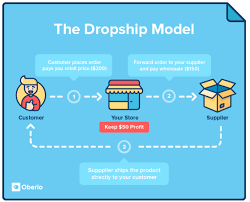
At its core, dropshipping represents an ecommerce business model where retailers sell products without holding inventory. Since suppliers manage storage and shipping, merchants can dedicate resources to crucial areas such as sales campaigns, customer acquisition, and brand building. As a result, digital marketing becomes vital, forging connections between product listings and potential customers while supporting growth within a crowded marketplace.
A strong foundation sets the stage for all future marketing strategies. Understanding the target audience and establishing clear goals are necessary steps before launching promotion or store optimization initiatives. This groundwork ensures every campaign aligns with business objectives and resonates with ideal prospects.
Effective advertising strategies for dropshipping success
Generating traffic and converting visitors into paying customers often depends on carefully crafted advertising strategies. The best channels and techniques vary based on budget, product type, and the preferences of the target audience. Thoughtful investment in ads tends to deliver returns in both brand awareness and conversions, fueling sustainable growth.
Ongoing analysis allows digital marketing efforts to adapt over time. Monitoring performance metrics enables merchants to reallocate spending efficiently, making data-driven decisions that continually enhance results across all aspects of sales campaigns.
PPC and paid social media marketing
Pay-per-click (PPC) advertisements provide instant visibility by positioning promotions at the top of search engine results or directly within popular platform feeds. With paid social media marketing, stores can target specific demographics—age, interests, and shopping behaviors—all contributing to higher engagement rates.
Both methods offer precise tracking and rapid adjustments. Budgets can be increased for high-performing campaigns or redirected when engagement wanes, making these advertising strategies especially appealing to experienced dropshippers seeking measurable impact.
Organic content marketing opportunities
Content marketing focuses on attracting and engaging audiences organically, rather than depending solely on paid promotion. Publishing insightful blog posts, product guides, or video tutorials helps stores establish credibility and provide genuine value to their communities.
Quality content does more than inform—it quietly builds trust and positions a store as an expert within its niche. Over time, organic traffic grows, complementing paid efforts and creating a steady stream of new prospects.
Mastering store optimization for enhanced sales
When advertising strategies attract visitors, store optimization becomes crucial for turning interest into loyal customers. Small improvements in design, navigation, and product descriptions can lead to significant gains in usability and conversion rates.
Continuous analysis and incremental changes drive ongoing progress. Merchants must ensure each aspect of the store minimizes obstacles during the purchasing process, supporting a seamless experience from start to finish.
User experience and mobile responsiveness
A streamlined user interface keeps shoppers engaged. Fast-loading pages, intuitive menus, and visually appealing layouts inspire confidence and reduce abandonment. In today’s environment dominated by mobile usage, complete compatibility across all devices is indispensable.
Mobile-optimized sites consistently outperform outdated alternatives in both search engine rankings and conversion rates. Every detail, from image loading speeds to checkout flow, deserves careful consideration.
Compelling product pages and persuasive copy
Even outstanding products may remain overlooked if descriptions fail to connect with buyers. Clear, concise writing paired with high-quality visuals addresses concerns and highlights unique selling propositions.
Incorporating trust signals—such as verified reviews and secure payment icons—further reassures visitors. Each detail enhances the overall effectiveness of store optimization, helping convert browsers into committed customers.
Choosing the right niche and building a resilient brand
Selecting the ideal market segment can shape the long-term viability of any dropshipping venture. By focusing on a specific area, a store can address distinct needs while reducing competition from broad-based retailers. Deep familiarity with the chosen niche supports targeted messaging and boosts the success of tailored sales campaigns.
Brand building follows naturally when catering to a defined audience. Establishing a unique voice, consistent visual identity, and cohesive messaging fosters emotional connections, increasing the likelihood of repeat purchases and sustained loyalty.
Niche research and market analysis
Identifying the right niche involves analyzing trends, spotting underserved segments, and assessing competitors’ strengths. Tools for keyword research and trend analysis empower entrepreneurs to discover promising opportunities within the ecommerce business model.
Thorough research increases the chances of aligning with profitable avenues. Businesses that understand their environment position themselves for consistent, long-term growth instead of short-lived surges.
Long-term brand building practices
Enduring brands distinguish themselves through authenticity and dependability. Clearly communicating values, highlighting superior service, and fulfilling promises create lasting positive impressions with customers.
Developing a recognizable brand atmosphere—through logo, packaging, tone, and ongoing communication—raises perceived value and encourages sharing via word-of-mouth and social media marketing channels.
Retaining customers and sustaining business growth
Many stores concentrate heavily on acquiring new traffic but underestimate the importance of customer retention. Satisfied customers return for additional purchases, recommend the business, and require less persuasion over time.
Investing in post-sale touchpoints, personalized outreach, and loyalty programs creates compounding benefits, gradually lowering the average cost per conversion and promoting steady expansion.
- Timely follow-up emails after purchases
- Loyalty rewards and exclusive offers for returning buyers
- Responsive customer support available through multiple channels
- Requesting feedback and acting swiftly on suggestions
Combined with store optimization and thoughtful marketing, nurturing existing relationships not only increases current revenue but also sets the stage for future success. Dropshipping operations that prioritize customer satisfaction and continuous improvement maintain resilience, even as market conditions evolve.