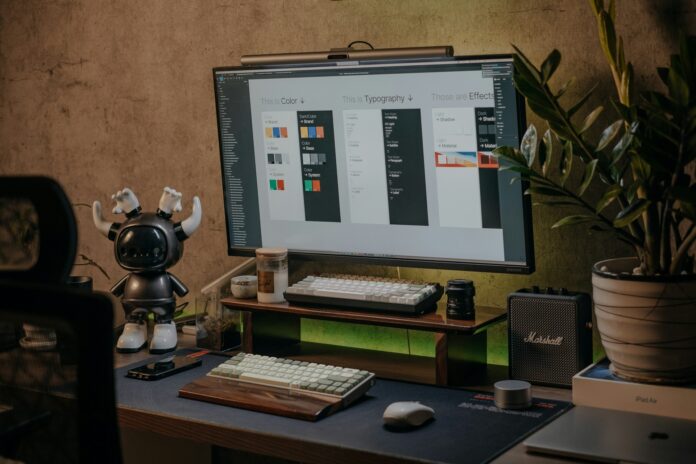

A standing desk tends to get framed as a health decision, but that is only part of the picture. In real life, it often changes something more immediate than posture alone. It changes how the day flows. Work stops feeling locked into one position, one tempo, one relationship with the desk. At Oakywood, that idea feels especially clear because the desk is presented less as a piece of office hardware and more as a wooden workspace that can move with the person using it. That difference matters. When a desk feels warm, stable, and visually at home in the room, the adjustment from sitting to standing does not feel like a forced routine. It feels like a natural shift in how the workspace supports attention, energy, and comfort across the day.
Why movement matters more than people expect
Most people do not lose focus because they suddenly become incapable of concentrating. More often, focus wears down in small stages. The body gets restless. The shoulders tighten. The desk starts to feel like something to endure rather than something to work with. That is where flexible movement becomes useful. A desk that allows a quiet change in posture can interrupt that build-up before it turns into real fatigue. It does not need to transform the entire workday to be valuable. Sometimes the benefit is simply that standing for a while breaks a stale moment and makes the next stretch of work easier to enter. A more responsive desk does not force discipline. It gives the day more breathing room.
Standing desk as a steadier home office choice
A standing desk can easily feel too technical for a home setting if it leans too hard into machinery and not enough into atmosphere. Oakywood takes a different route by placing wood at the center of the experience. That changes how the desk reads inside a room. It does not feel like borrowed office equipment dropped into a bedroom or study. It feels more settled than that. More intentional. In a home office, that makes a real difference, because the desk is rarely isolated from the rest of life. You see it in the morning before work starts. You pass it in the evening after work ends. When the desk has a calmer visual presence, it becomes easier to live with, not only easier to work at.
Wood changes the tone of the room
Materials decide a lot more than people admit. A wooden worktop changes how light sits on the surface, how the desk relates to shelves or flooring, and how strongly the workstation announces itself in the room. Wood softens the overall impression of a setup that might otherwise feel too sharp or too digital. It also makes the desk feel less temporary. A workstation built around wood usually reads as something chosen, not something improvised. That is part of why Oakywood’s approach works well in spaces where work and home overlap. The desk does not need to disappear. It only needs to feel like it belongs there.
Standing desk and the difference between motion and disruption
A good standing desk should not make movement feel dramatic. That is where many desks miss the mark. They technically offer adjustment, but the adjustment itself feels like a break in concentration. The desk asks for attention when what you really want is continuity. Oakywood’s framing points in the opposite direction. The desk is meant to support easier transitions, not turn them into events. That matters because the real value of height adjustment is not standing more for the sake of it. It is preserving the thread of work while the body changes position. When motion feels smooth and expected, people are more likely to use it. When it feels awkward, they tend to stop bothering.
A workspace that does not feel temporary
There is a difference between a desk that can move and a desk that still feels grounded while it moves. The first sounds useful. The second actually becomes part of life. A workspace should be able to shift without losing its sense of stability. The monitor should still feel anchored. The writing area should still feel familiar. The overall desk should still feel like the same place you return to, not like a surface that keeps changing its character. That is why the best adjustable desks are the ones that preserve a sense of continuity even as they support different positions.
Standing desk for long hours that need variety
Long work sessions are rarely difficult only because they are long. They become difficult because they are repetitive. The body stays in one angle. The hands return to the same zone. The eyes keep landing in the same relation to the screen. A standing desk introduces variation without requiring a new environment. You do not need to move to another room, reset the workspace, or start over. You simply shift the desk’s height and continue. That is a very specific kind of freedom. It keeps the desk constant while allowing the body to behave less mechanically. Over time, that can change how sustainable long work sessions feel. Not by making them effortless, but by making them less rigid.
Oakywood and the warmer side of ergonomics
There is a version of ergonomic thinking that feels cold and corrective, as if the whole point of a desk were to constantly remind you what you are doing wrong. Oakywood seems to lean toward a softer interpretation. The desk still supports movement and better working habits, but it does so through a warmer material language and a less clinical overall tone. That makes the idea of ergonomics easier to accept because it feels connected to comfort rather than correction. A desk should not feel like a lecture. It should feel like support. When that happens, the workspace becomes easier to trust and easier to keep returning to with a sense of ease.
What customization changes in everyday use
A desk becomes more convincing when it feels chosen rather than generic. That is one reason customization matters. It is not only about taste. It is about fit. A surface that suits the size of the room, the rhythm of the work, and the visual tone of the rest of the setup is much more likely to keep working over time. Oakywood clearly presents the desk as something users can shape around their own space rather than accept in one universal version. That helps because a workstation is not a neutral object. It affects movement, sightlines, storage habits, and the balance of the whole room. The closer the fit, the less often the desk needs to be “forgiven” for being in the way.
Standing desk and the desk you keep returning to
The real test of a standing desk is not the first hour after setup. It is the third week. Then the novelty is gone, and what remains is the basic question of whether the desk feels easier to return to than before. Does it still feel inviting at the start of the day. Does it help when work gets stale in the afternoon. Does it support a smoother reset between tasks. That is the level where a desk proves itself. A good adjustable desk does not have to keep impressing you. It only has to remove enough friction that the workspace stops feeling fixed in the wrong way. When that happens, the desk becomes less of a feature and more of a quiet daily advantage.
The visual calm of a desk that can still move
One of the more interesting qualities of a wooden sit-stand desk is the contrast it resolves. Movement can sometimes make furniture feel mechanical, yet wood tends to make furniture feel grounded. When those two ideas are combined well, the result can be unusually balanced. The desk offers flexibility, but it still looks composed. It supports change, but does not look restless. That is an underrated advantage in a home office. A desk that looks too engineered can dominate the room even when it is doing its job well. A desk that looks calmer can support the same routine without raising the visual temperature of the space.
Standing desk as a long-term part of the room
The best reason to choose a standing desk is not that it feels innovative. It is that it can keep making sense after the novelty fades. A desk like Oakywood’s works well when it is seen as a long-term piece of the room rather than a quick answer to posture or productivity concerns. It brings together flexibility, a warmer material presence, and a more adaptable working rhythm. That combination is what gives it staying power. Over time, the desk becomes less about adjustment itself and more about what adjustment makes possible – less stiffness in the day, less monotony in long sessions, and a workspace that feels a little more responsive every time you sit down or stand up to keep going.
READ ALSO: How Do Plumbing Emergencies Affect Homes When Water Heaters Start Leaking Suddenly?