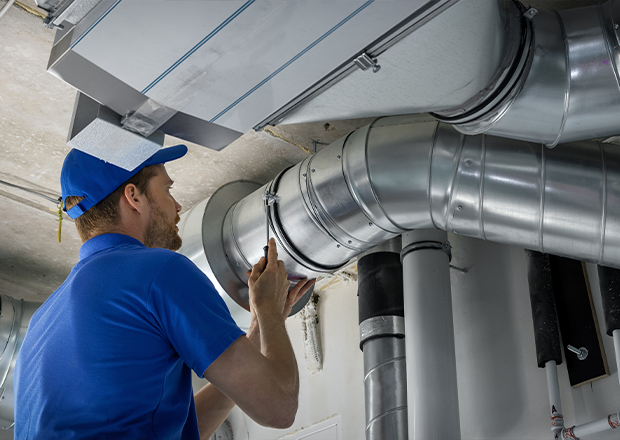

A home with a comfortable first floor and an uncomfortable upper floor can feel frustrating in every season. Bedrooms may stay too warm in summer, too cool in winter, or slow to respond no matter how often the thermostat is adjusted. This kind of imbalance often points to more than a minor airflow issue. It usually reflects how the heating and cooling system was installed, sized, or distributed throughout the home. Professional HVAC installers matter because upper floors place different demands on the system, and those demands require planning to ensure comfort.
Where upper-floor comfort falls behind
- Upper floors often need a different airflow strategy.
Warm air naturally rises, attic heat can build above the ceiling, and upstairs rooms are often farther from major return and supply pathways than the main floor. These conditions can make second-story spaces feel very different from the rest of the house, even when the HVAC system is running all day. Professional HVAC installers matter because they understand that upper floors usually need more than a standard one-size-fits-all setup. In many homes, professional HVAC installers from Tuck & Howell may be considered when homeowners want to understand why upstairs comfort keeps falling behind despite regular system use. Better installation planning helps determine whether airflow reaches the upper level, whether heat circulates sufficiently, and whether the distribution pattern matches how the house is built and used every day.
- Proper installation helps the system serve both levels more evenly
One of the biggest reasons installation quality matters is that a system may be capable of heating and cooling the home, yet still fail to serve both floors evenly if the layout was not planned carefully. If supply vents are poorly placed, if return air support is weaker upstairs, or if duct paths lose effectiveness before air reaches the top floor, the system may satisfy the thermostat while upper rooms stay uncomfortable. Professional HVAC installers help by making sure the setup reflects the home’s actual shape rather than the home’s actual shape. This matters because a two-story house is not just a larger version of a single-story one. It has different airflow challenges, different heat patterns, and different pressure relationships between levels. Better installation can help reduce the pattern where downstairs rooms feel acceptable while upstairs bedrooms remain difficult to cool, difficult to warm, or slow to stabilize.
- Duct design has a major effect on upstairs comfort.
Many comfort complaints on upper floors come down to how the ductwork was designed and installed. A duct system that takes long, indirect routes, loses air through leaks, or narrows airflow before it reaches the upper level can leave the top floor under-served even when the equipment is strong enough. Professional HVAC installers matter because they understand how the duct network supports or limits every room in the house. If upstairs ducts are not carrying enough conditioned air, the delivery may not be visible from the thermostat or the outdoor equipment. It may show up only through warmer bedrooms, stuffier hallways, or second-floor spaces that never seem to match the first floor. A better installation approach helps ensure that the duct paths, vent placement, and return support work together instead of allowing the upper level to receive whatever airflow is left after the main floor has already taken most of it.
- Installers help match equipment to real household conditions.
Upper floors often become uncomfortable because the system was not matched to how the house actually behaves once people begin living in it. Sunlight on the roof, attic heat, window exposure, ceiling height, and room use can all make upstairs areas more demanding than the lower level. A family may use upstairs bedrooms all night, run electronics in an upper office all day, or deal with strong afternoon sun in rooms facing west. Professional HVAC installers help by considering these real conditions during setup rather than assuming both floors will behave the same way. This matters because equipment selection and distribution planning should support the parts of the home that are hardest to keep comfortable. If the installation ignores how heat gathers upstairs or how quickly upper rooms lose comfort, the system may seem adequate on paper yet still disappoint in daily use, leading to a home that feels more balanced from floor to floor.
- Air return and pressure balance are just as important as supply.
Many homeowners focus on whether cool or warm air is coming out of upstairs vents, but comfort also depends on whether air can move back through the system properly. If proper upper room air intake is lacking and return support is insufficient, the air may stagnate, doors may affect pressure, and the second floor may feel stuffy or uneven even while the system appears active. Professional HVAC installers matter because they understand that air has to complete a full path through the home. Without that balance, upstairs rooms can hold heat longer, recover slowly, and feel disconnected from the rest of the house. Good installation helps reduce those problems by ensuring the system not only circulates conditioned air upward but also allows the upper level to participate in the full circulation cycle. When that happens, the second floor usually feels less trapped, less stale, and more naturally connected to the comfort level downstairs.
Better installation helps the whole house feel connected.
Professional HVAC installers matter when upper floors never feel as comfortable as lower levels, because comfort problems between stories usually stem from how the system was installed, designed, and planned. Upper rooms face different heat and airflow conditions, and those conditions need more thoughtful support than a basic setup can provide. Better installation helps air reach the second floor more effectively, supports stronger return movement, and reduces the gap between downstairs comfort and upstairs frustration. When that balance improves, the whole house feels more usable, more consistent, and much easier to enjoy in every season.