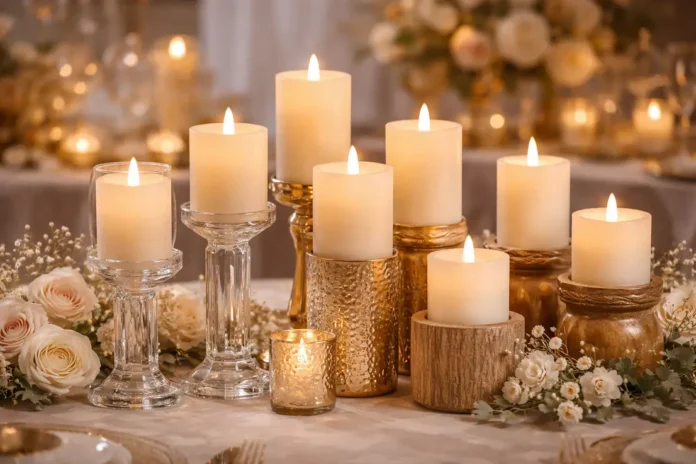

Embellishments transform a basic candle into a personalized, intentional product; this moves candle making beyond just wax and wicks. From color and scent to botanicals and labels, each layer of candle making supplies that you choose adds dimension to your design. The choices you make at each stage shape both the look and the feel of the final candle. Here are a few tips for adding embellishments and accessories to candles:
Choose Decorative Candle Colors
Color is one of the first embellishment decisions you make in candle making. You can choose between candle color blocks and liquid dyes. Color blocks are solid and often easy to portion, while liquid dyes disperse quickly into melted wax. Each format produces different intensity levels, so your choice depends on the depth of color you want.
Seasonal palettes give your candles visual context and help them appeal to special occasions. Warm tones like orange and gold work well for fall, and seafoam and lavender suit spring collections. Mixing color blocks allows you to create custom shades that expand your range beyond single-color options. To prevent color from fading over time, particularly in candles displayed near light sources, you may add a UV absorber to your wax.
Select Complementary Fragrances
Fragrance oil functions as a sensory embellishment, and the type you use depends on your candle’s wax base. Standard candle fragrance oils work with most wax types, while gel candle fragrance oils are formulated specifically for gel wax. Choosing the right type affects scent clarity and throw. A mismatch between oil and wax types can reduce how well the fragrance performs.
Scent selection often follows intended use or display context. Floral and fresh options tend to complement spring and summer candles, while warm and spicy profiles suit fall and winter designs. Blending two compatible fragrance oils produces a custom scent profile, which adds a distinctive quality to your candle line. Test blends in small batches before scaling up to a larger pour. When paired with visual design, fragrance reinforces thematic consistency.
Incorporate Dried Botanicals
Dried botanicals are among the most versatile embellishments available to candle makers. Lavender flowers, rose buds and petals, and chamomile flowers add soft, floral texture to a candle’s surface. Calendula flowers and dried orange slices introduce warm color without dye. The botanical you choose adds its own visual weight, so placement and proportion matter.
Two main methods exist for working with botanicals: surface application and wax embedding. Surface application involves pressing botanicals onto the outside of a finished candle or onto the wax surface before it fully sets. Embedding botanicals inside the wax during the pour creates a suspended visual effect. Both methods produce distinct results, and the technique you choose depends on the candle style you’re working toward.
Pairing botanicals with complementary fragrance oils can produce a cohesive sensory result. Cinnamon sticks and rosemary reinforce warm, herbal scent profiles; this makes them a good fit for fall and winter candles. Calendula flowers work well alongside light floral or honey-forward oils. Chamomile pairs with fresh, soft fragrance oils for spring-themed candles.
Add Candle Accessories
Accessories contribute to both the function and presentation of a finished candle. Many candle making supplies support this process, and this includes wicks and wick-centering tools. You can choose between cotton and wooden wicks, depending on the look and performance you want your candle to have.
Container selection influences the candle’s overall appearance, and materials such as glass, ceramic, or metal create different visual effects. Lids and covers help protect the wax surface between uses while adding a finished look. When paired intentionally, these accessories help create a cohesive and well-presented candle.
Add Decorative Candle Labels
The material, size, and design of labels help with candles’ aesthetic appeal. Oval and circle formats work well for artisan-style candles where a natural, handcrafted look is part of the brand identity. Glass, ceramic, and wooden containers all pair well with kraft paper, which holds ink cleanly and complements natural materials. How you place your candle labels also affects the overall design impression; you can place the labels at the center, at the bottom, or wrapped fully around the jar.
Explore Candle Making Supplies Options
The quality of your embellishments depends largely on the nature of your base materials. Use fragrance oils that perform well in wax and botanicals that hold their colors; this helps you produce consistent results. Candle making supplies that span raw ingredients, embellishments, and finishing accessories give you everything you need in one place. Get your supplies from a reliable supplier and transform your candles from basic pieces to unique products.