
In recent years, community living has evolved to address affordability, social isolation, and the demand for supportive environments. As traditional housing models shift, innovative approaches are enabling residents to lead healthier, more connected lives. To learn more about establishing or enhancing your community association, click here. These new solutions not only address immediate housing needs but also foster long-term well-being and a sense of belonging. The move towards communal, sustainable, and supportive housing demonstrates a growing recognition that housing is more than shelter. It can be a foundation for community, healing, and resilience. From co-living arrangements that decrease isolation to tiny homes that offer hope to people transitioning from homelessness, these models show what is possible when communities innovate in response to evolving social needs.
Supportive and transitional housing, as well as senior-focused innovations, are proving vital in addressing complex social issues such as addiction recovery, mental health, and aging in place. These developments thrive with policy support and strategic funding, showcasing the impact of collaborative action among governments, nonprofits, and neighborhood organizations. Read on to discover how modern housing models are reshaping the future of community living, enhancing affordability, inclusivity, and a sense of community for residents from all backgrounds.
Co-Living and Cohousing: Fostering Community Engagement
Co-living and cohousing models are growing in popularity, especially in urban areas where space is at a premium. These models emphasize shared spaces such as kitchens, lounges, and gardens while maintaining private bedrooms for residents. With communal decision-making and regular social activities, these housing options build connections among neighbors, significantly reducing social isolation. According to an analysis by The New York Times, co-living has been shown to reduce residents’ costs and lower per-person consumption of energy and resources, making these options attractive to environmentally conscious individuals.
Tiny Home Communities: Affordable and Sustainable Living
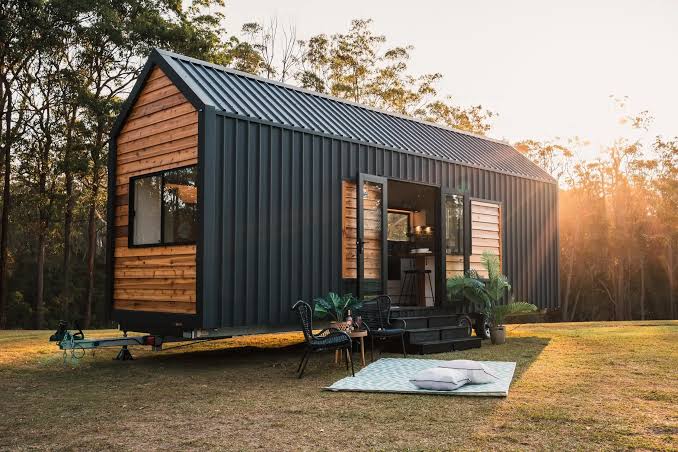
Tiny home communities have emerged nationwide as a practical solution to the housing affordability crisis and the urgent need for transitional housing for unhoused populations. For example, Anchorage’s new program combines tiny homes with addiction treatment services, giving individuals a safe place to live while they recover and rebuild their lives. These communities highlight the power of pairing shelter with support, enabling vulnerable populations to reintegrate successfully. Read more about this initiative here.
Supportive Housing: Integrating Services for Holistic Well-being
Supportive housing solutions merge affordable rental units with vital on-site services. Residents benefit from integrated supports, including mental health counseling, addiction recovery programs, and job placement assistance. Collaborations such as that between Fountain House and the Corporation for Supportive Housing exemplify how evidence-based practices can reduce isolation and promote independence for those living with chronic mental illness. Such models demonstrate measurable success, including decreased emergency room visits and sustained housing for residents who might otherwise be vulnerable to repeated cycles of homelessness.
Senior Housing Innovations: Addressing the Needs of an Aging Population
As aging populations rise, senior housing is transforming as well. Modern memory care communities are shifting toward smaller, more intimate residential settings. According to a report by AARP, these approaches not only better support seniors with cognitive challenges but also offer greater privacy and flexibility than traditional nursing homes. This personalized approach results in improved quality of life, greater engagement, and a stronger sense of belonging among older adults.
Transitional Housing for Vulnerable Populations
Transitional housing provides an invaluable stepping stone for individuals moving from institutional care or unstable situations into independent living. In Decatur, Georgia, a supportive community focuses on young adults aging out of foster care. By offering both housing and wraparound services such as financial literacy training and educational support, these programs give young people the stability and resources they need to succeed in adulthood.
Community-First Approaches: Building Inclusive Neighborhoods
Community-first initiatives focus on inclusivity and stability through innovative housing. For example, St. Paul, Minnesota, has established a “sacred settlement” of tiny homes specifically designed for individuals experiencing chronic homelessness. By emphasizing community integration and robust peer support, these models cultivate environments where all residents can thrive and participate fully in neighborhood life.
Policy and Funding: Enabling Innovative Housing Solutions
The advancement of these novel housing models often depends on robust policy frameworks and dedicated funding streams. For instance, the tiny home initiative for formerly incarcerated women in North Carolina was made possible through state-level agency grants. Public-private partnerships and the involvement of nonprofit organizations are crucial to ensuring these models are financially viable and accessible to those most in need.
Conclusion
Innovative housing options are critical in addressing the complex needs of today’s communities. By fostering affordability, sustainability, and genuine social engagement, these approaches help build supportive environments for all residents. Continued collaboration between public agencies, nonprofits, and engaged citizens will be essential for scaling these solutions, ensuring that every individual has a safe place to call home and an opportunity to belong.