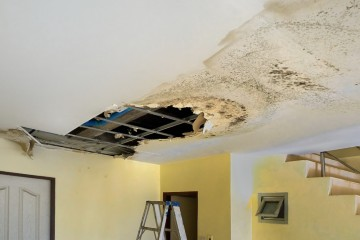

Insurers usually reject these claims because the cause of damage falls outside the policy (gradual leaks, condensation, wear and tear), because there’s no written proof the leak was sudden and accidental, or because the claim was logged under the wrong type of cover. Fixing the evidence gap and resubmitting through a formal appeal resolves most rejected cases.
Getting a rejection letter after water has already soaked through your floors or walls is frustrating, especially when the damage is obviously real. Most trace and access insurance claim fail for one of four reasons: the policy excludes the type of damage, there’s not enough proof the leak was sudden, the wrong section of cover was used, or the paperwork was incomplete. None of that means you’re stuck. With better evidence and a properly worded appeal, plenty of homeowners get the decision reversed.
What Does Trace and Access Cover Actually Pay For?
Trace and access cover pays to find a hidden leak and to open up the area around it, lifting floorboards, removing tiles, or cutting into a wall, so a plumber can reach the source. It doesn’t pay for fixing the leak itself or repairing the resulting damage; those costs sit under different sections of your policy.
The Real Reasons Trace and Access Claims Get Rejected
Insurers don’t reject these claims at random. Every decision traces back to specific wording in your policy and the evidence submitted alongside the claim.
1. The Leak Was Gradual, Not Sudden
Most policies only cover leaks that happen suddenly and unexpectedly. A pipe that’s been weeping slowly for months, leaving a damp patch that built up gradually, gets classed as wear and tear, which standard cover excludes.
2. There’s No Proof the Leak Was Accidental
Loss adjusters want a paper trail. They expect a plumber’s report stating when the leak started, what caused it, and why it couldn’t have been prevented. A single photo of a wet ceiling rarely satisfies that bar.
3. Cover Was Used for the Wrong Type of Work
Some homeowners log a claim under trace and access when they actually need accidental damage or buildings cover for the repair itself. Mixing up these sections is one of the most common reasons claims bounce back.
4. The Claim Was Reported Too Late
Many policies set a reporting window, often around 30 days from discovery. Letting a damp patch sit for weeks before calling it in gives the insurer grounds to question whether reasonable care was taken.
5. Work Was Done Before Getting Approval
When a plumber carries out trace and access work before the insurer signs off on the claim, some providers refuse to reimburse the cost, even if the job itself was necessary and done well.
Hidden Leaks vs Trace and Access Cover
A hidden leak insurance claim and trace and access cover get confused constantly, but they cover different things. One relates to the water damage itself, the other pays specifically for finding and reaching the leak that caused it. Insurers often bundle both into a single claim file, but separating them on paper makes it easier to see which part was actually declined and why.
What to Do Next After a Rejection
A rejected trace and access claim isn’t necessarily final; you usually have more options than the letter suggests. Insurers expect pushback when the evidence genuinely supports you, and most have a formal appeals process for exactly this situation. Follow these steps before giving up:
1. Request the rejection in writing, asking the insurer to quote the exact policy clause used to decline cover.
2. Get a copy of the loss adjuster’s report, including their photos and notes from the site visit.
3. Commission an independent plumber’s report confirming when the leak likely started and why it qualifies as sudden and accidental.
4. Re-read your policy wording closely, paying attention to how it defines sudden, gradual, and trace and access.
5. Submit a formal written appeal referencing the new evidence and the specific policy section that supports your case.
6. Escalate to the Financial Ombudsman Service if the insurer’s final response still doesn’t resolve things in your favour.
Common Rejection Reasons and How to Fix Them
This table breaks down the most frequent rejection reasons side by side with the fix, so you can match your letter to the right next step.
| Rejection Reason | What It Means | How to Fix It |
| Gradual damage | Leak built up slowly over weeks or months | Get a plumber’s report confirming a sudden onset, or check if accidental damage cover applies instead |
| No proof of cause | Insurer can’t confirm what triggered the leak | Commission a leak detection survey with thermal imaging or moisture readings and a written report |
| Wrong section of cover used | Claim filed under the wrong part of the policy | Resubmit under the correct section, keeping detection costs separate from repair costs |
| Late reporting | Claim filed outside the policy’s notification window | Show evidence of when the leak was actually discovered and what steps were taken straight away |
| Unapproved tradesperson | Work carried out before the insurer signed off | Request retrospective approval, or have an approved tradesperson confirm the work was necessary |
Spotting a Leak Before It Becomes a Bigger Claim
Damp patches that spread quickly, a musty smell that wasn’t there before, a sudden jump in your water bill, or flooring that’s started to warp are all worth acting on straight away. Catching these signs early keeps the timeline tight, which makes any future claim easier to support as sudden rather than ignored.
Getting Professional Help With the Process
Most insurers respond better to a claim backed by a proper trade report than one supported only by phone calls and photos. 0800 Homefix sends qualified plumbers who carry out leak detection and trace and access work to the standard insurers expect, with timestamped photos, moisture readings, and written reports included as standard. That kind of documentation is often what turns a rejected claim into an approved one on appeal.
Frequently Asked Questions
1. How long does it take to get a decision on trace and access work?
Most insurers aim to assess these claims within 5 to 10 working days once all the evidence is submitted, though it can take longer if a loss adjuster needs to visit or extra reports are requested.
2. Can I claim trace and access costs without building insurance?
No. Trace and access is a section within a buildings insurance policy, not a standalone product, so buildings cover needs to be in place before the leak happens for the claim to apply.
3. Will my premium increase after claiming for trace and access work?
It can. Insurers often factor in any successful water damage claim when calculating renewal premiums, though the increase varies by provider and by how often you’ve claimed before.
4. What evidence do insurers need to approve a leak claim?
A written plumber’s report confirming the cause and timing of the leak, dated photos of the damage, and proof of when it was first discovered. Insurers rarely approve claims supported by photos alone.
5. Can I use my own plumber for trace and access work?
Some policies allow this, others require an approved tradesperson or prior authorisation. Check your policy wording, or call the insurer before work starts to avoid a reimbursement dispute later.
6. What’s the difference between trace and access and accidental damage cover?
Trace and access pays for finding and reaching a leak. Accidental damage cover pays for fixing the damage that leak caused, such as replacing flooring or repairing a ceiling.
7. How much does trace and access insurance typically pay out?
Payouts vary by policy, but many set a cap, commonly between 5,000 and 10,000 pounds, specifically for detection and access work, separate from any repair costs.
8. Can a rejected claim be reopened after appeal?
Yes. Most insurers will reconsider a decision if you submit new evidence, such as an independent plumber’s report, that wasn’t available when the original decision was made.