
Understanding the Basics
Learning how to recycle correctly is one of the easiest ways to reduce waste and support environmental protection.
Step 1: Identify Recyclable Materials
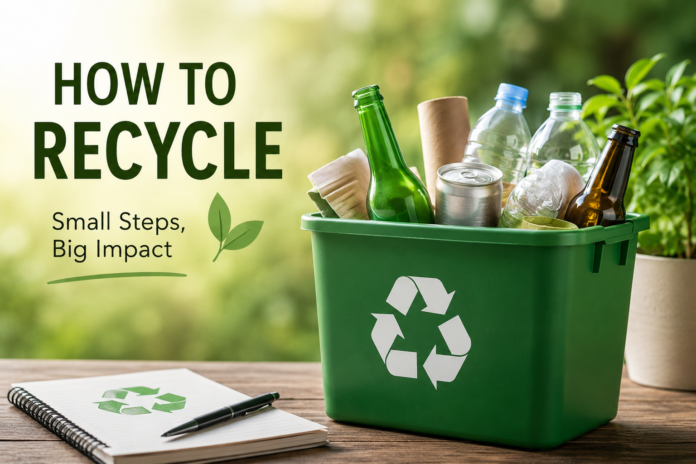
Common recyclable items include:
- Paper
- Cardboard
- Glass
- Metals
- Certain plastics
Step 2: Clean Materials
Food residue can contaminate recyclable materials and reduce processing efficiency.
Step 3: Sort Properly
Separate materials according to local recycling guidelines.
Common Recycling Errors
Wish Cycling
Placing questionable items in recycling bins can cause contamination.
Dirty Containers
Containers should be emptied and rinsed before recycling.
Beyond Traditional Recycling
Reuse First
Extending product life often provides greater environmental benefits.
Donate Usable Items
Many items can continue serving others rather than becoming waste.
Environmental Advantages
Recycling helps:
- Conserve resources
- Reduce landfill use
- Lower energy consumption
- Support a circular economy
Conclusion
Knowing how to recycling properly helps maximize environmental benefits and reduce unnecessary waste. Consistent recycling habits can make a significant difference over time.