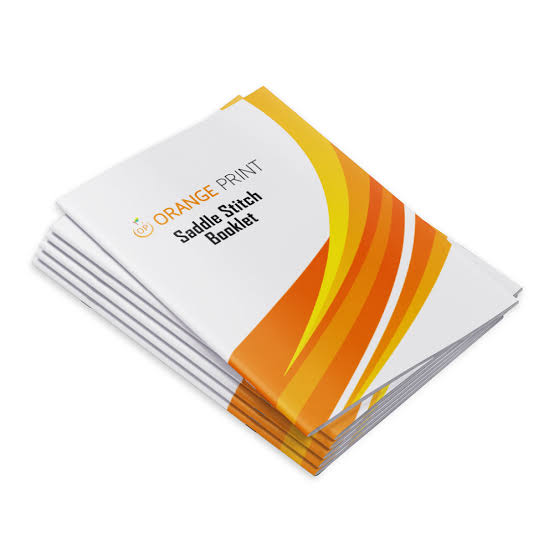

Introduction to Saddle Stitch Binding
Saddle stitch binding is an affordable and widely used method for producing booklets, brochures, and catalogs. This binding technique involves folding sheets of paper and securing them with staples along the centerfold, resulting in a sleek, professional, and functional finish. For organizations or businesses that need a reliable solution for small- to midsize runs, saddle-stitch booklets are often the first choice. Companies looking for other binding solutions, such as spiral-bound booklets, may want to compare their options with wire bound book printing to best fit their needs.
Simplicity is key with saddle stitch binding. Unlike coil or perfect binding, this process does not require adhesives or complex machinery, making it both cost-effective and efficient for projects that require a quick turnaround. Saddle-stitched booklets are also particularly valued for their ability to open flat, a feature ideal for full-spread graphics and easy readability.
This user-friendly structure is popular in applications ranging from community magazines to event programs, ensuring content is easy to see and share. Saddle stitch is also lightweight and portable, appealing to organizations that need to distribute materials in person or by mail, offering an excellent balance between a professional appearance and convenience for the reader.
The benefits of this binding technique are significant in both corporate and creative environments. Because it does not add bulk to the finished product, saddle stitch booklets are especially suitable for documents that need to be handled frequently, passed around, or stored efficiently. This makes them an excellent choice for annual reports, employee handbooks, and instruction guides.
Benefits of Saddle Stitch Booklets
- Cost-Effective: Thanks to minimal material and labor requirements, saddle stitch is a budget-friendly choice for short to medium print runs.
- Quick Turnaround: The simplicity of the binding process enables faster production than other methods.
- Lay-Flat Design: Saddle-stitched booklets open fully flat, providing an easy, engaging reading experience, especially useful for layouts that span two pages.
- Lightweight and Portable: Their slim profile makes these booklets easy to distribute, mail, and handle during events or presentations.
Designing for Saddle Stitch Booklets
A successful saddle stitch booklet design starts with understanding a few key considerations that can affect the outcome of your printed piece. Designers need to plan for page count, margins, and paper stock from the very beginning.
- Page Count: Saddle-stitch booklets must have a total page count that is a multiple of 4. This is required because pages are folded and nested before stapling. Common booklet sizes include 8, 12, 16, or 24 pages.
- Margins and Bleed: It is essential to include sufficient margins to avoid important text or images from being trimmed in production. Designers should also add a bleed area beyond the trim line to ensure the finished booklet has clean, consistent edges.
- Paper Selection: The weight and finish of the paper can greatly impact the final look and feel of your booklet. A heavier cover stock paired with lighter inside pages often adds a polished touch.
Paying attention to these fundamental design choices makes it easier to create booklets that look professional and last longer.
Preparing Files for Printing
Producing high-quality saddle stitch booklets starts with preparing files correctly. Proper file preparation ensures your design translates flawlessly from screen to finished print.
- Use Professional Software: Design platforms like Adobe InDesign offer built-in tools for laying out multi-page documents, including pagination, bleed, and export to print-ready PDFs.
- Set Up Correctly: Begin your design with the appropriate document size, margin, and bleed settings that match your printer’s specifications. Most printers provide templates or guidelines for saddle-stitch booklets that should be followed closely.
- Proofread Thoroughly: Carefully review both text and graphics for errors before submitting the final file. This extra step helps avoid costly reprints and ensures brand consistency.
Avoiding last-minute design changes after files are sent to the printer reduces delays and ensures the finished booklets meet your expectations. It’s always worth reviewing additional best practices from industry leaders before submitting your files for print to stay up to date with the latest recommendations.
Common Applications of Saddle Stitch Booklets
Saddle-stitched booklets serve a wide range of uses in business, education, and nonprofit environments. Their affordable cost and versatility make them a favorite for both small-batch and high-volume distributions. Some of the most popular uses include:
- Product catalogs
- Event programs
- Instruction manuals
- Magazines
- Annual reports
Organizations favor this binding type for marketing collateral, presentations, and annual overviews, making it a staple in print marketing strategies and informational handouts.
Best Practices for Saddle Stitch Booklets
- Keep Page Count Manageable: Saddle-stitch booklets are best suited to up to 64 pages. Beyond that, the spine may become too bulky, and alternative binding methods, such as perfect or coil binding, should be considered.
- Mind the Creep: As more pages are added, the inner pages can extend farther than the outer pages, a phenomenon known as “creep.” Make margin adjustments in your layout to ensure nothing is cut off or shifted awkwardly.
- Choose Quality Materials: Select high-quality paper and print standards to give your booklet a durable, professional feel that reflects positively on your organization or brand.
Consistent adherence to industry best practices ensures a polished final product. If you need further guidance on print production or design, large publications such as WhatTheyThink regularly release updated articles and case studies.
Conclusion
Saddle stitch booklets are a practical and economical solution for creating impactful printed materials across a range of industries. By thoroughly understanding the binding process, making strategic design decisions, and following proven best practices, you can confidently produce booklets that meet both your visual and functional requirements. Whether for corporate communications, event promotions, or product marketing, saddle-stitch booklets deliver consistent quality and value across all types of projects.