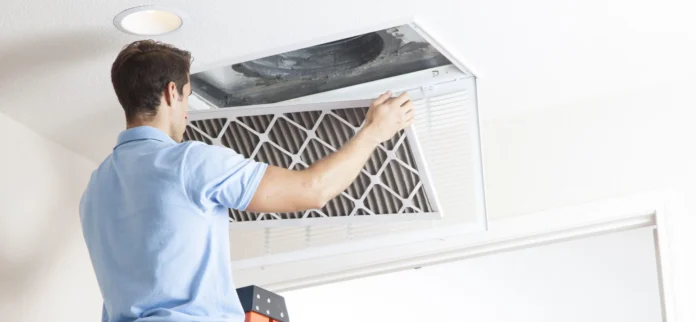

Indoor air can carry dust, pollen, pet dander, mold spores, smoke particles, and other small pollutants that affect comfort inside the home. Many people notice poor air quality through allergies, odors, coughing, dry air, or rooms that feel stale. An HVAC company can improve indoor air quality by recommending and installing advanced filters that capture smaller particles than standard filters. These filters work with the heating and cooling system to clean air as it circulates. With the right filter choice and proper maintenance, homeowners can enjoy fresher air and a cleaner living environment.
Better Air Starts Here
- Advanced Filters Capture Smaller Particles
Advanced filters improve indoor air quality by trapping particles that ordinary filters may let pass. Standard filters are often designed primarily to protect HVAC equipment from heavy dust buildup, while higher-quality filters can help reduce the presence of finer particles in the air. These may include pollen, pet dander, dust mites, lint, smoke residue, and other airborne irritants. An HVAC company can review the home’s system and recommend a filter with the right rating for both air quality and airflow. A filter that is too restrictive may strain the system, while one that is too weak may not improve air quality enough. Homeowners working with an HVAC Company in Lugoff, SC can receive guidance on selecting filters that match local pollen levels, humidity concerns, and household needs. Proper filter selection matters because indoor comfort depends on both clean air and steady system performance. When chosen carefully, advanced filters can support healthier breathing conditions without overworking the equipment.
- Proper Installation Protects Airflow
Even a strong filter will not work properly if it is installed incorrectly or does not fit the system. Gaps around the filter can let unfiltered air bypass the material and carry dust back into the home. A filter that is the wrong size may shift, bend, or fail to seal inside the return area. An HVAC company helps prevent these problems by checking filter dimensions, airflow direction, cabinet fit, and system compatibility. This matters because air follows the path of least resistance. If it can move around the filter instead of through it, indoor air quality will not improve as expected. Proper installation also helps protect the blower motor and coils from dust buildup. Clean internal parts can support better airflow and more efficient operation. A technician can also explain how often the filter should be changed based on pets, allergies, household size, and system use. Correct installation turns an advanced filter into a useful part of whole-home air care.
- Filter Ratings Need Careful Matching
Filter ratings can be confusing for homeowners because a higher number is not always the right choice for every system. Many advanced filters are rated by how well they capture smaller particles, but the HVAC system must still be able to pull air through the filter without strain. If the filter restricts airflow too much, rooms may feel less comfortable, the system may run longer, and parts may wear faster. An HVAC company can help match filter strength to the equipment’s capacity. This balance is important because indoor air quality should improve without creating pressure problems inside the system. A technician may check return air size, blower performance, duct condition, and equipment type before recommending a filter. Homes with pets, dust concerns, or allergy sensitivity may benefit from stronger filtration, but the choice must still fit the system. With proper matching, advanced filters can reduce airborne particles while allowing the HVAC unit to operate safely and smoothly.
- Maintenance Keeps Filters Effective
Advanced filters need regular maintenance to keep working well. As they collect dust and particles, airflow can become restricted. A dirty filter may reduce comfort, increase energy use, and allow dust to settle around vents if it becomes overloaded. An HVAC company can help homeowners create a filter replacement schedule based on daily system use and indoor conditions. For example, homes with pets, smokers, nearby construction, or high pollen exposure may need more frequent filter changes. Regular service can also include checking the return area, cleaning accessible components, inspecting for duct issues, and ensuring air is moving properly through the system. Maintenance matters because filtration is not a one-time improvement. It depends on steady care. When filters are replaced on time, the system can continue removing particles from the air rather than pushing against clogged filters. This helps protect indoor air quality, equipment condition, and household comfort throughout the year.
Cleaner Air Supports Everyday Comfort
An HVAC company improves indoor air quality with advanced filters by choosing the right filter, installing it correctly, matching it to the system, and maintaining it. Better filtration can reduce dust, pollen, pet dander, and other airborne particles that affect indoor comfort. The right approach also protects airflow so the heating and cooling system does not work harder than necessary. Clean indoor air can make rooms feel fresher, reduce stale odors, and support a more comfortable living space. With proper filter care, homeowners can enjoy cleaner air and more reliable HVAC performance.