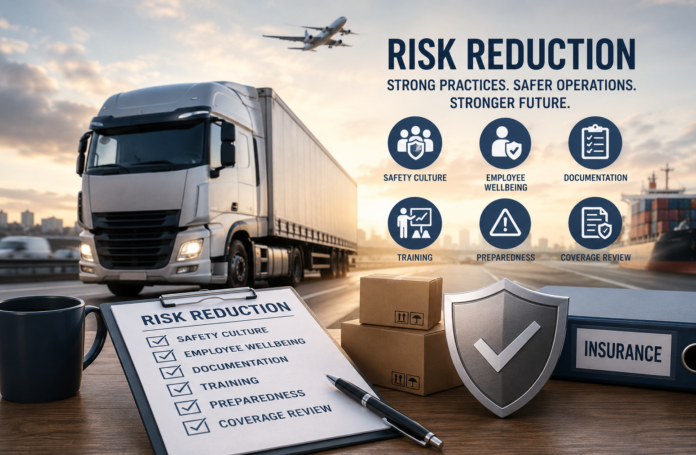

Transportation providers operate in environments where safety, consistency, and preparedness shape every aspect of daily operations. With vehicles on the road, passengers or cargo in transit, and employees managing complex responsibilities, risk is always present. Reducing that risk requires a combination of strong internal practices, reliable coverage, and a proactive approach to operational challenges. When transportation providers invest in thoughtful risk reduction strategies, they strengthen their ability to maintain stability, protect their workforce, and support long term growth.
Building a Strong Safety Culture Across the Organization
A strong safety culture is one of the most effective ways to reduce risk in transportation operations. Safety must be integrated into every part of the business, from daily vehicle inspections to employee training and communication practices. When safety expectations are clear and consistently reinforced, employees are more likely to make responsible decisions that prevent accidents and reduce liability exposure. A well established safety culture also supports smoother operations and strengthens trust with clients who rely on dependable service. Over time, this commitment to safety becomes a defining part of the organization’s identity and contributes to long term stability.
Supporting Employee Wellbeing Through Comprehensive Coverage
Employees are central to transportation operations, and their wellbeing directly influences performance and risk exposure. Providers often rely on coverage such as workers compensation insurance to ensure that employees receive support in the event of a work related injury. This type of protection not only fulfills legal requirements but also reinforces a culture of responsibility and care. When employees feel supported, they are more likely to remain engaged, follow safety protocols, and contribute positively to the organization. Comprehensive employee related coverage helps reduce financial strain during unexpected incidents and supports a more stable workforce.
Maintaining Accurate Documentation and Operational Records
Accurate documentation is essential for managing risk effectively. Transportation providers benefit from keeping detailed records of vehicle maintenance, driver training, route logs, and incident reports. These records create a clear picture of daily operations and provide valuable context when unexpected situations arise. Thorough documentation also helps identify patterns or areas where improvements may be needed. By maintaining organized and consistent records, transportation providers strengthen accountability and improve their ability to respond to claims or disputes with confidence. That same organizational habit extends to regulatory filings — carriers operating across state lines still need to keep documents like their BOC-3 form current, since it’s one more record regulators expect to see in order. This practice supports both operational clarity and long term risk reduction.
Investing in Ongoing Training and Professional Development
Training is a critical component of risk management, especially in industries where employees handle complex responsibilities. Drivers, dispatchers, and support staff must be prepared to navigate a variety of situations, from changing road conditions to passenger needs and emergency scenarios. Ongoing training helps reinforce best practices and ensures that employees remain confident in their roles. Professional development opportunities also encourage continuous improvement and support a more skilled workforce. When employees receive regular training, they are better equipped to make informed decisions that reduce risk and enhance service quality.
Preparing for Operational Disruptions and Unexpected Challenges
Operational disruptions can occur at any time, whether due to weather conditions, mechanical issues, staffing shortages, or route changes. Preparing for these challenges helps reduce their impact and supports continuity. Transportation providers benefit from developing contingency plans that outline steps for managing delays, rerouting vehicles, or communicating with customers. These plans help ensure that disruptions are handled efficiently and professionally. When companies are prepared for unexpected events, they maintain stronger service reliability and protect their reputation within the community. Proactive planning also reduces stress on employees and supports smoother operations.
Evaluating Coverage Needs as the Business Evolves
Transportation providers grow and change over time, and their coverage needs must evolve with them. Adding new vehicles, expanding service areas, or introducing specialized services can increase exposure and require updated protections. Regularly reviewing coverage ensures that policies remain aligned with current operations and future goals. Scalable coverage options allow businesses to adjust protections as they expand, reducing the risk of gaps that could lead to costly setbacks. By evaluating coverage needs proactively, transportation providers maintain strong financial protection and support long term operational resilience.
Conclusion
Risk reduction for transportation providers involves building a strong safety culture, supporting employee wellbeing, maintaining accurate documentation, investing in training, preparing for disruptions, and reviewing coverage needs regularly. When these practices work together, they create a stable foundation that supports reliable service, financial protection, and long term success.