
Confronting a substance use disorder or a chronic mental health condition is a profound turning point in an individual’s life. It marks the transition from a chaotic, isolating cycle of active dependency to a structured path of health and self-discovery. However, once the decision to seek help is made, families and individuals are immediately confronted with a complex, overwhelming matrix of healthcare options. Navigating this landscape requires more than just skimming online brochures; it demands a deep clinical understanding of how the physical environment, staff credentials, and therapeutic modalities intersect to drive successful outcomes. Choosing to enroll in licensed addiction rehab facilities is the single most critical intervention you can make to ensure a safe medical stabilization and a sustainable, evidence-based psychological recovery.
An exceptional rehabilitation center is not merely a place to stay—it is a carefully engineered clinical ecosystem. When an individual feels physically secure, treated with dignity, and insulated from the environmental triggers of their daily life, their capacity for profound psychological breakthrough increases exponentially. This comprehensive guide will break down the vital pillars of modern addiction treatment, explore the spectrum of care from medically managed detox to holistic integration, and provide an analytical framework for selecting a facility that aligns with your clinical needs.
1. The Therapeutic Environment: Why Setting and Privacy Matter
The physical setting of a rehabilitation facility is far more than an aesthetic consideration; it plays a direct, measurable role in regulating a highly compromised nervous system. Chronic substance abuse leaves the body’s “fight or flight” responses continuously activated, meaning that sterile, institutional, or overcrowded environments can actively trigger anxiety and impede therapeutic progress.
The Power of Environmental Serenity and Natural Insulation
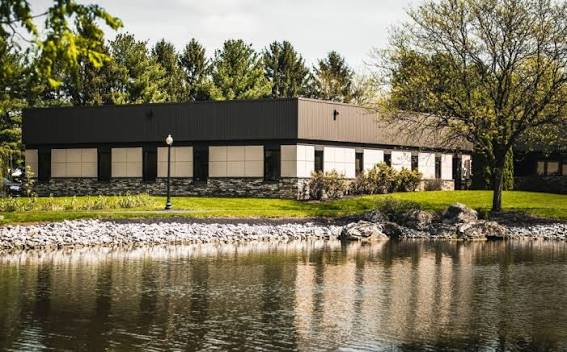
Top-tier recovery programs are intentionally situated in peaceful settings—ranging from quiet coastal estates to tranquil valleys. This physical distance from the “real world” serves an essential clinical purpose: it removes the patient from immediate proximity to familiar enablers, drug-seeking networks, and daily stressors. The tranquility of nature acts as a natural stabilizer, lowering cortisol levels and fostering the mental stillness required for deep, introspective work.
Guaranteeing Anonymity and Discretion for Professionals
For corporate executives, high-profile professionals, and family leaders, the fear of professional fallout or social stigma is a massive deterrent to seeking help. Premier facilities resolve this barrier by guaranteeing absolute confidentiality. With secure, gated entries, strictly enforced digital privacy protocols, and private accommodations, residents can undergo the vulnerable work of early sobriety without the paralyzing fear of public exposure. This sense of absolute safety is paramount to fostering honest participation in therapy.
2. Navigating the Clinical Continuum: From Stabilization to Step-Down Care
Addiction is a multifaceted chronic disease that manifests differently in every individual. Consequently, reputable facilities reject rigid, one-size-fits-all timelines in favor of guiding patients through a fluid, multi-tiered continuum of care that adjusts to a patient’s evolving clinical stability.
Medically Supervised Detoxification: The Vital First Phase
The recovery journey almost always begins with detoxification—the physical clearance of chemicals from the body. Attempting to manage withdrawal through sheer willpower at home is not only agonizingly painful but can be physically life-threatening, particularly in cases of severe alcohol or benzodiazepine dependency. In a dedicated residential detox center, board-certified physicians and 24-hour nursing teams use advanced Medication-Assisted Treatment (MAT) protocols. By administering FDA-approved medications, clinicians keep vital signs stable, prevent grand mal seizures, and minimize physical pain, making the transition to sobriety as safe and humane as possible.
Structured Step-Down Transitions (PHP & IOP)
Neuroscience indicates that it takes roughly 90 days for an addicted brain to reset itself and shake off the immediate influence of chronic substance use. Long-term success relies heavily on how a facility structures the transition back to independent living over this period:
- Partial Hospitalization Programs (PHP): Patients engage in full-day clinical programming on-site but sleep in a supportive, sober housing environment or a structured home life at night.
- Intensive Outpatient Programs (IOP): This tier provides a crucial bridge, offering flexible morning or evening tracks. This allows patients to return to work or school while maintaining strict clinical accountability, random drug screening, and ongoing individual counseling.
3. Evidence-Based Psychotherapies: Rewiring the Brain
While the physical body heals during detox, the psychological patterns of addiction remain intact. Breaking the cycle permanently requires rigorous, scientifically validated psychotherapies that target the brain’s reward centers and emotional coping mechanisms.
Cognitive Behavioral Therapy (CBT) and Dialectical Behavior Therapy (DBT)
Modern behavioral health relies heavily on these twin pillars of psychotherapy to change how patients react to internal and external stressors:
- CBT: This modality focuses on identifying “cognitive distortions”—those automatic, negative thought patterns that inevitably lead to the urge to self-medicate. By challenging these distortions, patients learn to actively replace destructive actions with productive, reality-based coping mechanisms.
- DBT: Originally developed for profound emotional dysregulation, DBT is invaluable for individuals who use drugs or alcohol to numb overwhelming feelings. It emphasizes four core competencies: mindfulness, distress tolerance, emotional regulation, and interpersonal effectiveness, teaching patients how to “ride out” a crisis or craving without breaking sobriety.
Dual Diagnosis Integration and Trauma Resolution
A significant majority of individuals entering treatment are battling co-occurring mental health disorders, such as post-traumatic stress disorder (PTSD), major depression, generalized anxiety, or bipolar disorder.
If an addiction treatment facility only addresses the drug or alcohol use while leaving an underlying mood or trauma disorder unmanaged, a relapse is virtually guaranteed. Specialized programs utilize integrated dual diagnosis care, addressing both conditions simultaneously. Furthermore, advanced trauma-focused modalities like EMDR (Eye Movement Desensitization and Reprocessing) are utilized to help the brain safely process and file away traumatic memories, stripping them of their power to trigger visceral, panic-induced cravings in the present.
4. Holistic Integration: Restoring Mind, Body, and Spirit
True restoration requires a comprehensive approach that repairs the physical, biological, and spiritual damage caused by months or years of struggle. Elite facilities expand beyond traditional talk therapy to actively rehabilitate the patient’s entire ecosystem.
Nutritional Psychiatry and the Gut-Brain Axis
Chronic substance use ravages the digestive system and severely depletes the body of essential nutrients, disrupting the gut microbiome where over 90% of the body’s serotonin is produced. Advanced facilities feature executive chefs and licensed nutritionists who design anti-inflammatory, nutrient-dense menus. By repairing the gut-brain axis with healthy amino acids and vitamins, the body can naturally resume the healthy production of mood-stabilizing neurotransmitters like dopamine and serotonin, radically reducing early recovery depression and lethargy.
Experiential and Somatic Healing Modalities
Trauma and anxiety are frequently “stored” physically within muscular tissue and the nervous system. To release this tension, premier programs integrate experiential therapies into the weekly schedule:
- Somatic Movement and Yoga: These practices activate the parasympathetic nervous system, lowering resting heart rates, reducing circulating cortisol, and training the body to find a sense of safety in stillness without chemical aids.
- Expressive Arts (Art and Music Therapy): Creative outlets allow patients to bypass their intellectual defenses. These experiential modalities provide non-verbal pathways for individuals to express and process complex, deeply buried emotions that they may not yet have the verbal vocabulary to articulate in standard talk therapy.
5. Quality Indicators: Objective Metrics for Families
Because the behavioral health space is highly competitive, families must approach the selection of a recovery center with analytical precision. It is vital to look past marketing aesthetics to verify objective quality indicators.
| Quality Indicator | What It Measures | Why It Matters |
|---|---|---|
| Gold-Standard Accreditation | Joint Commission (JCAHO) or CARF approval. | Verifies that the facility meets rigorous national safety, medical, and operational standards carried by only a small percentage of centers nationwide. |
| LegitScript Certification | Third-party compliance vetting. | Guarantees the absolute transparency, safety, and ethical standard of the center’s operational and marketing practices. |
| Clinical Staff Density | Frequency of one-on-one sessions (e.g., three individual sessions per week) with licensed therapists. | Ensures highly individualized, deep clinical work rather than an over-reliance on large, generic group lectures. |
| Medical Team Credentials | On-staff psychiatrists and ASAM-certified medical doctors. | Guarantees that complex pharmacological needs and dual-diagnosis symptoms are managed by genuine specialists. |
Conclusion: Take Your First Step Into Lasting Wellness
Living under the weight of active substance dependency or unmanaged mental illness can feel like being trapped in an endless, dark cycle. However, it is vital to understand that addiction is a manageable, highly treatable medical reality. By investing in a comprehensive, accredited program that harmonizes medical safety, rigorous evidence-based psychotherapy, and holistic wellness, you are doing more than just stopping a harmful habit—you are fundamentally rebuilding your entire life from the ground up.
You deserve an environment that honors your inherent dignity, respects your privacy, and provides the cutting-edge clinical tools necessary to secure your future. The shadows of addiction do not have to define the final chapter of your story.