
People rarely talk about a purchase years later because of a specification sheet. They remember where they were, who was with them, and what was happening in their lives at the time. A watch may remind someone of a promotion. A piece of jewellery may bring back memories of a proposal. A photograph printed on canvas may become connected to a family milestone. Businesses have recognised that products often gain their greatest value from the experiences surrounding them rather than from their physical features alone.
This realisation has influenced how companies design products, market services, and interact with customers. In places such as Parramatta City, Australia, shoppers often seek purchases that carry personal meaning alongside practical value. The product itself still matters, but consumers want something that feels connected to a larger story. As a result, businesses are investing in personalisation, storytelling, memorable experiences, symbolic meaning, and more.
Turning Milestones into Meaningful Experiences
Some purchases naturally carry emotional significance because they are connected to major life events. Engagements, weddings, anniversaries, graduations, and career achievements often involve products that symbolise something much larger than the object itself. Businesses understand this and increasingly build experiences around these moments rather than focusing solely on the item being sold.
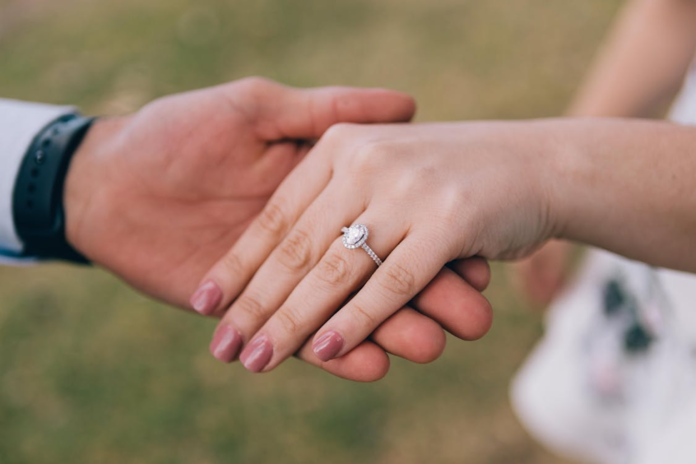
A good example can be seen in the market for diamond engagement rings in Parramatta City. Customers rarely approach such a purchase as a straightforward retail transaction. The ring often represents commitment, future goals, family traditions, and personal milestones. Jewellers frequently recognise this by offering consultation experiences, customisation options, and educational guidance rather than simply displaying inventory. Similar patterns appear in other industries. Luxury watches associated with career accomplishments, commemorative gifts presented during retirement celebrations, and personalised keepsakes marking important family events all derive value from the milestone they represent.
Creating Memories Through Products
Many successful brands understand that products often become linked to memories. The goal is not merely selling an item but helping create an experience people will remember long after the purchase. This idea appears across industries, from travel and hospitality to retail and luxury goods.
Photography companies provide a clear example. Customers purchasing photo books, framed prints, or custom albums are not simply buying paper and materials. They are preserving family vacations, weddings, birthdays, and other meaningful moments. The same principle applies to products associated with celebrations. A personalised bottle of wine opened during an anniversary dinner may become tied to the memory of the occasion. Even something as simple as a custom ornament can carry significance because it reminds people of a particular year, event, or family tradition. Businesses that connect products to memory creation often establish a deeper relationship with customers because the product continues to hold emotional value long after the transaction is complete.
Personalisation and Emotional Connection
Personalisation has become one of the most effective ways businesses create emotional value. People naturally feel a stronger connection to products that align with their identity, preferences, or personal experiences. Customisation transforms an item from something broadly available into something uniquely meaningful.
Many industries have embraced this approach. Athletic brands allow customers to customise shoes with specific colours and details. Jewellery companies offer engraving services that add names, dates, or messages. Special occasion items also offer personalisation for gift sets. Furniture manufacturers allow buyers to choose finishes and materials that fit personal tastes. Even technology products increasingly include customisation options that help customers feel a greater sense of ownership. The emotional impact comes from the feeling that the product was created with a specific person in mind rather than produced for a general market.
Emotional Side of Gift-Giving
Many products are purchased not for the buyer but for someone else, which changes how value is perceived. In these situations, emotional meaning often becomes just as important as product quality.
A personalised necklace given on a birthday carries a different significance than an everyday purchase. A handwritten message included with a gift can increase its emotional impact. Businesses increasingly support these experiences through custom packaging, gift presentation options, personalised messages, and curated collections designed around specific occasions. Companies selling flowers, luxury goods, books, and even food products often emphasise the emotions associated with giving rather than the physical characteristics of the item.
Power of Symbolism
Some products hold meaning because of what they represent. Their value extends beyond function and enters the realm of symbolism. Businesses have become skilled at recognising and communicating these symbolic associations.
A graduation ring symbolises achievement. A wedding band represents commitment. A trophy represents accomplishment. A luxury handbag may symbolise a personal milestone or reward after years of hard work. Even products outside traditional luxury categories can carry symbolic meaning. A first home purchase often involves objects that represent independence and stability. A vehicle may symbolise freedom or professional success. Businesses that understand symbolism often focus their messaging on what the product stands for rather than simply what it does.
Meaning Within Luxury Purchases
Luxury products have always been associated with craftsmanship, exclusivity, and quality, but many businesses now recognise that personal meaning often drives purchasing decisions just as strongly. Consumers frequently seek luxury items that connect to important moments in their lives rather than simply purchasing expensive products for their own sake.
A fine watch purchased after earning a professional certification can become a reminder of years of effort and dedication. A custom piece of jewellery may celebrate a significant anniversary. Artwork acquired after reaching a major financial goal may symbolise personal achievement rather than serve as decoration alone. Businesses within luxury markets acknowledge these motivations by focusing on the stories behind purchases.
Storytelling and Product Development
Storytelling has become a powerful business tool because it gives products context. Customers often connect more strongly with an item when they understand the inspiration, craftsmanship, heritage, or purpose behind it. A compelling story can transform an ordinary purchase into something that feels more memorable and significant.
Coffee companies frequently share information about growers and sourcing regions. Fashion brands highlight craftsmanship traditions or the backgrounds of designers. Food producers may emphasise family recipes passed down through generations. Outdoor brands often connect products to adventure, exploration, and personal growth.
Emotional Connection as a Competitive Advantage
Product quality remains important, but many businesses operate in markets where competing offerings provide similar features, performance, and functionality. Emotional connection can, therefore, become a meaningful differentiator. When customers feel personally connected to a product or brand, purchasing decisions often involve factors beyond price or specifications.
This advantage appears across many industries. Some customers remain loyal to particular brands because those brands have become associated with important life moments. Others return because they appreciate personalised service, meaningful experiences, or values that align with their own. Emotional resonance helps businesses create relationships that extend beyond individual transactions.
Businesses are creating emotional value alongside physical products because consumers often attach meaning to experiences, milestones, relationships, and personal achievements rather than to objects alone. It becomes part of a customer’s personal story, creating a connection that continues long after the transaction itself is complete.