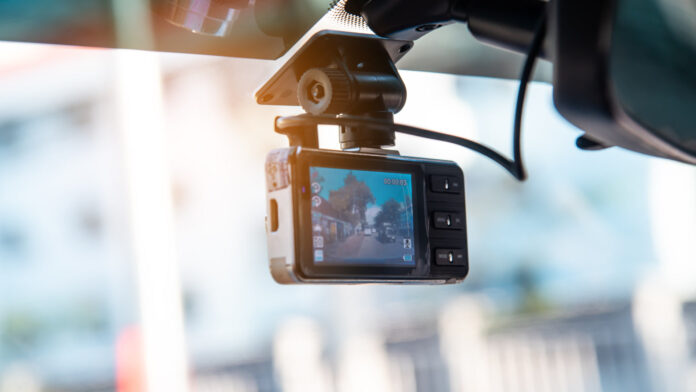

You don’t usually think about “data” when you slide into your driver’s seat. You think about getting there. About making the light. About whether the day will finally finish giving you surprises. But the modern road is a noisy place—full of close calls, confusing claims, and digital breadcrumbs that can either protect you or expose you. That’s where a dash cam steps in: not as a gadget for tech lovers, but as a calm witness when everything else gets messy.
And yes, it can feel emotional—because when something goes wrong on the road, it’s never just about a dent. It’s about your time, your money, your safety, your reputation. It’s about you.
Before we dive in, a quick story about the word finish: we all know that moment when you’re wrapping up a long drive, the exit is finally in sight, and you can practically taste the relief. Then—out of nowhere—someone cuts across three lanes like the road belongs to them. That near-miss hits differently because you were so close to the finish line. That’s exactly the kind of moment recorded video can clarify, when your memory is shaken and everyone’s story suddenly sounds “certain.”
This guide will walk you through what these devices do, what they collect, how to choose wisely, and how to protect your personal data while still protecting yourself.
—
What a dash cam actually records—and why it matters
At its core, a dash camera continuously records video while you drive. Some models record audio too. Many capture GPS location, speed, and time stamps—details that can become powerful evidence when facts get disputed.
Here’s the part you should sit with: video isn’t just video anymore. It’s data. It’s context. It’s a timeline.
A typical system may record:
– Front-facing footage (what’s ahead of you)
– Rear footage (what’s behind you)
– Interior footage (what’s happening inside your car)
– GPS logs (where you were and when)
– G-sensor triggers (sudden braking, impacts, collisions)
And that matters because after an incident, people often fill in gaps with guesses. Stress does that. Fear does that. A clear recording doesn’t argue. It shows.
But there’s also a quiet truth: the more your device records, the more you need to think about where that information goes. Your location patterns can reveal your habits. Your audio can pick up private conversations. If you want the protection, you also want the privacy plan.
—
Choosing the right dash cam features without oversharing
Buying one can feel like shopping in a storm: 4K, HDR, night vision, cloud uploads, parking mode, dual lens, cabin view. Everything sounds essential. But you don’t need everything—you need what fits your life, your comfort level, and your boundaries.
Here’s a practical way to decide:
Must-have features for most drivers
– Good low-light performance (night driving is where cheap cameras fail)
– Wide dynamic range (WDR/HDR) to balance glare, headlights, and shadows
– Loop recording so old footage overwrites automatically
– Impact detection (G-sensor) to lock key clips during a collision
Optional features to consider carefully
– Cloud upload: convenient if your camera gets stolen after a crash, but it means your footage may pass through external servers.
– Interior camera: useful for rideshare or added security, but more invasive for daily life.
– GPS: strengthens evidence, yet stores sensitive location history.
A short anecdote about independence fits here: many people remember the first time they drove alone—no parent, no instructor, just you and the wheel. That independence felt like breathing fresh air. But independence on the road also means you’re the one who has to prove what happened if things go sideways. Choosing features thoughtfully is a grown-up kind of freedom: you’re not just collecting data, you’re deciding what you’re willing to share.
—
Data storage: SD cards, cloud accounts, and who can access your footage
This is where “protecting your data” stops being a slogan and becomes a real checklist.
Most cameras store footage on a microSD card. Some also sync to an app. Some upload to the cloud. Each option has tradeoffs:
microSD storage (local)
– Pros: You keep control; no internet needed; fewer third-party risks.
– Cons: If the camera is damaged or stolen, the footage can disappear with it.
Cloud storage
– Pros: Footage can survive theft or serious damage.
– Cons: Requires accounts, passwords, and trust in a provider’s security practices.
If cloud is involved, ask yourself:
– Does the provider offer two-factor authentication?
– Is footage encrypted in transit and at rest?
– Can you delete clips permanently?
– Who can request access—insurers, law enforcement, third parties?
And don’t overlook a simple but critical step: use a high-endurance SD card, format it on schedule, and lock important clips immediately after an event. Data corruption isn’t dramatic—it’s just devastating when you need the truth and the file won’t open.
—
Dash camera placement, settings, and the “set it and forget it” trap
A dash cam only helps if it captures usable footage. That sounds obvious—until you realize how many people mount it slightly wrong, aim it too high, or never check the lens again.
You want:
– Placement high on the windshield, centered, not blocking your view
– The horizon roughly mid-frame
– Minimal dashboard glare (a CPL filter can help)
– Date/time set correctly (wrong timestamps can weaken your evidence)
Also check settings:
– Resolution: 1080p is serviceable; 1440p or 4K helps with license plates, but increases storage needs.
– Frame rate: 30 fps is standard; 60 fps can capture fast motion better.
– Audio recording: decide if you want it on. Audio can help, but it can also record private moments.
Now for the third anecdote—about hubristic behavior. Everyone has seen it: that driver who speeds like the road is a personal racetrack, confident nothing will happen because nothing has happened yet. That hubristic energy is loud, reckless, almost contagious. But a camera is quiet. It doesn’t escalate. It doesn’t chase. It simply documents. And sometimes that’s the only thing that stops arrogance from turning into “your fault” on paper.
—
Using a dash cam responsibly: privacy, legality, and your peace of mind
A dash cam is powerful, but it comes with responsibility. Laws vary widely depending on where you live, so you’ll want to check local rules about:
– Audio recording consent
– Windshield mounting restrictions
– Sharing footage publicly (especially if faces or license plates are visible)
Even when something is legal, you may still want to be considerate. If you post clips online, you’re not just sharing a story—you’re sharing someone else’s identity.