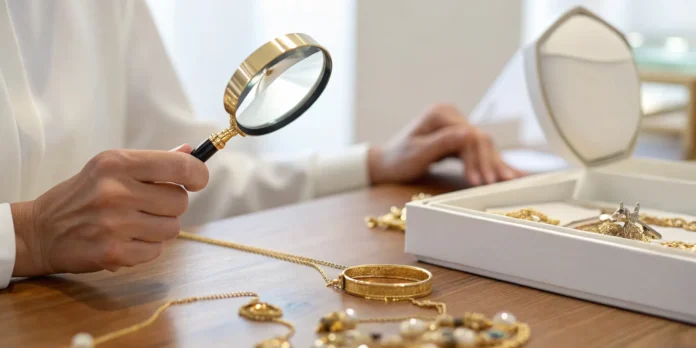

Gold buyers no longer evaluate jewelry based on weight alone. Resale demand, fashion trends, condition, and market behavior now influence how offers are calculated across many gold markets.
Some pieces attract immediate buyer interest while others receive lower payouts despite similar gold content. Understanding those patterns helps sellers recognize what actually affects value during evaluations.
The First Things Gold Buyers Check During Evaluation
Professional buyers look at several factors before discussing pricing. Gold Dealers usually examine purity, condition, and resale demand together instead of relying on weight alone. That process helps buyers determine whether jewelry holds only melt value or additional resale potential.
● Gold Purity And Karat Rating: Higher purity levels usually increase gold value calculations.
Buyers first check karat markings because gold purity directly affects the amount of recoverable precious metal inside each item. A 24K bracelet contains more pure gold than a 10K chain of the same weight.
Most professional evaluations depend on purity verification through testing methods such as acid testing or XRF analysis before offers are finalized.
● Total Weight Of The Piece: Weight directly impacts potential melt value.
Heavier jewelry naturally contains more gold material, which usually increases baseline value calculations during evaluations. Buyers weigh pieces carefully because even small differences affect pricing.
Weight alone does not guarantee stronger payouts. Purity, resale demand, and overall condition still influence the final offer substantially.
● Current Market Gold Prices: Daily market fluctuations influence final payouts.
Gold prices move constantly through global commodity markets. Economic uncertainty, inflation concerns, and investor demand all affect pricing throughout the trading day. That market activity creates pricing volatility which explains why offers may change noticeably from one week to another.
● Jewelry Condition: Damage and repairs may affect resale demand.
Broken clasps, deep scratches, bent settings, and visible repairs sometimes reduce buyer interest during resale evaluations. Clean and wearable pieces often attract stronger attention because buyers can potentially resell them without additional restoration work.
● Brand Recognition Or Designer Value: Luxury branding can increase buyer interest.
Designer jewelry sometimes carries value beyond simple melt calculations. Recognized luxury names often create stronger resale opportunities in secondhand jewelry markets. Buyers familiar with branded collections may evaluate those pieces differently than standard scrap gold items.
● Authenticity Verification: Proper testing builds confidence during evaluations.
Professional buyers verify authenticity carefully before discussing serious offers. Hallmarks, serial numbers, and testing equipment all support the evaluation process. That attention to detail improves transaction confidence for both buyers and sellers during negotiations.
Gold Jewelry Styles That Buyers Currently Prefer
Jewelry demand changes with fashion trends, resale behavior, and consumer preferences. Some styles consistently attract stronger interest because they remain easier to resell in current markets.
Pieces connected to ongoing fashion demand often receive more attention than outdated or heavily customized jewelry.
Chunky Gold Chains
Heavy chains continue performing well because they appeal to both fashion buyers and refiners. Their resale demand remains steady across multiple jewelry markets.
Buyers often favor these pieces because they combine strong gold weight with recognizable consumer demand patterns.
Vintage Gold Jewelry
Estate jewelry and vintage collections attract interest from both collectors and resellers. Older craftsmanship sometimes carries appeal beyond melt pricing alone.
Many buyers value vintage authenticity because unique designs are harder to reproduce in modern jewelry production.
Minimalist Everyday Pieces
Simple gold jewelry designed for daily wear has gained strong resale traction over recent years. Buyers prefer styles that appeal to broad consumer audiences.
Minimalist rings, bracelets, and necklaces usually move faster in resale channels because they fit modern fashion preferences easily.
Luxury Brand Jewelry
Recognized designer brands continue holding strong resale attention in secondhand jewelry markets. Buyers often inspect luxury pieces carefully before pricing them.
Authentication becomes extremely important here because counterfeit branded jewelry remains common across resale environments.
High Purity Gold Pieces
Jewelry made from 18K or 24K gold typically attracts stronger refining interest because of its higher gold concentration.
Higher purity pieces also benefit from intrinsic value stability during periods of strong gold market pricing.
Matching Jewelry Sets
Complete jewelry sets often generate stronger buyer interest compared to isolated single pieces. Coordinated collections create easier resale opportunities.
Matching necklaces, bracelets, and earrings usually appear more valuable because presentation influences resale psychology significantly.
What Often Lowers Gold Jewelry Offers
High gold content alone does not automatically guarantee premium offers. Buyers also consider repair costs, resale difficulty, and overall marketability before finalizing pricing.
Some issues reduce confidence immediately during evaluations even when the gold itself remains genuine.
Heavy Damage Or Missing Parts
Broken links, damaged clasps, and missing stones reduce resale flexibility for many buyers. Repair work creates additional operational costs after purchase.
Buyer Concern: Damaged jewelry often requires restoration before resale becomes realistic.
Gold Plated Confusion
Gold plated items regularly create misunderstandings during evaluations. Many sellers mistake plated jewelry for solid gold because the appearance looks similar initially.
Buyers rely on metal verification because plating contains only a thin surface layer of gold rather than substantial precious metal content.
Over Customized Jewelry
Highly personalized designs sometimes reduce resale appeal because they fit narrower consumer preferences.
Custom engravings and unusual modifications often make resale more difficult in broader jewelry markets.
Weak Secondary Market Demand
Some jewelry styles simply do not attract strong buyer demand anymore. Outdated trends move slower in resale channels compared to timeless pieces.
Buyer Concern: Slow moving inventory increases holding costs for buyers after purchase.
Mixed Metal Construction
Jewelry containing multiple metals creates more complex refining and testing requirements during evaluations.
Separating different materials often increases processing difficulty which may reduce final offers slightly.
Missing Luxury Authentication
Luxury jewelry without receipts, certificates, or verification documents sometimes receives more cautious evaluations.
Buyers prefer authentication support because counterfeit branded jewelry remains a serious concern in resale markets.
How Market Trends Influence Gold Buyer Behavior
Gold markets react to both economic conditions and consumer behavior. Buyer activity changes depending on pricing trends, inventory demand, and resale expectations throughout the year.
That movement explains why some jewelry receives stronger offers during certain periods than others.
1. Economic Uncertainty And Gold Demand
Investors often move toward gold during uncertain financial periods. Increased demand can strengthen pricing across many gold related markets.
That activity influences both refining demand and secondhand jewelry purchasing behavior simultaneously.
2. Refining Costs Affect Offer Margins
Gold buyers still account for refining expenses, labor costs, and operational overhead when calculating offers. Those costs affect how aggressively buyers can price jewelry purchases.
Many sellers researching whether they should repair gold jewelry before selling discover that repair decisions sometimes depend on how buyers calculate refining and resale value together.
3. Why Vintage Jewelry Returns To Demand
Fashion trends move in cycles. Jewelry styles ignored for years sometimes regain popularity through social media, estate fashion, and collector demand.
Vintage gold pieces regularly benefit from trend resurgence when consumer preferences shift toward classic styles again.
4. Seasonal Jewelry Buying Trends
Wedding seasons, holidays, and gifting periods often influence jewelry demand patterns throughout the year.
Buyers may become more active during high demand seasons because resale opportunities improve during stronger consumer spending periods.
5. Buyer Inventory Decisions
Gold buyers constantly manage inventory risk. During slower resale periods, buyers sometimes become more selective about what they purchase.
That selectiveness affects pricing because buyers prioritize pieces they believe will move efficiently in resale markets.
Buyer demand changes faster than most sellers expect, especially when gold prices and fashion trends move together.
Smart Preparation Steps Before Selling Gold Jewelry
Preparation affects confidence during negotiations. Sellers who organize their jewelry and understand basic pricing factors usually make stronger decisions during evaluations. Small steps before visiting a buyer often influence the final offer more than expected.
- Separate jewelry by karat type
- Check current gold market prices
- Compare multiple buyer offers
- Keep designer pieces separate
- Bring receipts or certifications if available
- Ask how purity testing is performed
- Avoid cleaning jewelry aggressively
- Do not rush the selling decision
Conclusion
Gold jewelry value depends on far more than simple weight calculations. Buyer demand, resale trends, purity, condition, and market timing all influence how offers are determined during evaluations. Sellers who understand what buyers actually look for usually make more confident decisions and avoid common pricing mistakes. Careful preparation, realistic expectations, and awareness of current jewelry trends often create stronger outcomes when entering today’s gold markets.