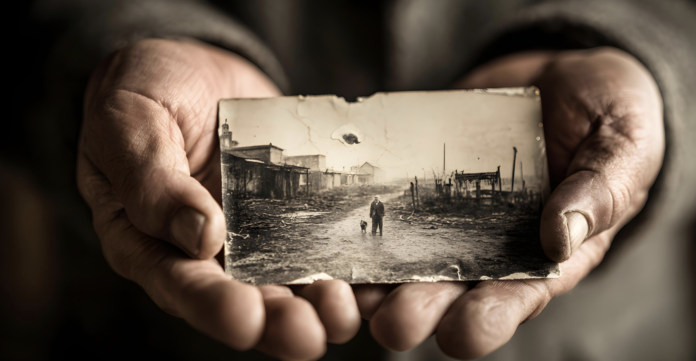

Floods and fires can destroy family photo collections within minutes. One burst pipe, one electrical fire, or one hurricane can leave decades of memories soaked, stained, melted, or covered in soot. The good news is this. Many photos that look ruined can still be saved with the right response and fast action.
That is why families often turn to a professional photo restoration and scanning service after a disaster. In many cases, restoration experts can recover images that seem completely beyond repair.
Photo disaster recovery works best when people act quickly. The first few hours and days after damage happens can make a major difference in what can still be preserved.
What Happens to Photos During a Flood?
Floodwater damages photographs very fast. The water itself is only part of the problem. Floodwater often carries contaminants that continue to damage photos long after the water is gone.
Floodwater may contain:
- Dirt and mud
- Chemicals
- Sewage contamination
- Mold spores
- Bacteria
- Oil residue
Printed photos often stick together once wet. Albums may trap moisture between pages, causing images to fuse permanently. Negatives, slides, and film strips can also warp, scratch, or develop mold.
Families dealing with damaged photos after flood situations often panic and try to pull wet photos apart immediately. Unfortunately, that usually causes tearing and permanent image loss.
Instead, photos should be handled gently and kept cool until proper drying or restoration can begin.
What Happens to Photos During a Fire?
Fire damage is often more complicated because several types of damage happen at once. Photos exposed to fire may suffer from:
- Heat damage
- Smoke exposure
- Soot buildup
- Water damage from firefighting
- Melted album covers
- Burn marks
- Chemical residue
Even when flames never directly touch the photos, smoke particles can stain surfaces permanently if they are not cleaned correctly.
Many fire damaged photos appear completely destroyed at first glance. However, restoration professionals can often recover surprising amounts of detail through specialized cleaning and digital reconstruction.
This is why emergency photo restoration becomes so important after a house fire. Waiting too long allows soot, moisture, and residue to continue damaging the images.
What Should Families Do Immediately After Damage Happens?
The first 48 hours matter most.
Fast action gives photos the best chance of survival. Families should focus on stabilization before attempting any cleaning. Here are the most important first steps:
- Remove photos from standing water.
- Handle photos only by the edges.
- Keep wet photos cool if drying cannot begin immediately.
- Lay photos flat on clean absorbent surfaces.
- Separate loose photos carefully.
- Avoid direct sunlight.
- Avoid hair dryers or heaters.
- Contact emergency photo restoration professionals quickly.
One of the biggest mistakes people make with damaged photos after flood situations is leaving wet albums closed for several days. Moisture trapped inside albums speeds up mold growth and causes pages to stick together permanently.
Why Is Mold Such a Serious Problem?
Mold can start growing within 24 to 48 hours after water exposure. Once mold spreads across photographs, restoration becomes much harder. In severe cases, mold can permanently destroy image layers. Mold damage may cause:
- Staining
- Odors
- Surface peeling
- Permanent sticking
- Fading
- Health risks during handling
Professional photo restoration and scanning service providers often use controlled drying environments and specialized cleaning methods to slow mold damage before restoration begins.
The sooner mold is addressed, the higher the chances of successful photo disaster recovery.
Can Severely Damaged Photos Still Be Restored?
Yes, many can.
Modern restoration techniques are far more advanced than most people realize. Even heavily damaged images may still contain enough visual data to rebuild important details digitally. Restoration specialists can often improve:
- Water stains
- Smoke discoloration
- Tears
- Scratches
- Fading
- Mold spots
- Missing corners
- Burn marks
In many fire damaged photos, the original image still exists underneath layers of soot and discoloration. Digital restoration tools allow technicians to repair scanned copies while helping preserve the original print.
Some photos cannot be restored perfectly, but partial recovery is often possible. For families, even recovering a single face or important moment can mean everything.
Why Is Digitization So Important After a Disaster?
Most families only think about backups after something goes wrong. That is why photo disaster recovery should always include digitization. Once photos are scanned, they become much easier to protect long-term. Digital archives allow families to:
- Store copies in the cloud
- Share collections with relatives
- Create multiple backups
- Restore damaged originals digitally
- Organize family history safely
- Protect memories from future disasters
A trusted photo restoration and scanning service can help families recover physical photos while also creating secure digital archives for the future.
Which Types of Photos Are Most Vulnerable?
Some photo materials break down faster than others during floods or fires. The most vulnerable items include:
- Polaroids
- Old scrapbooks
- Magnetic albums
- Color prints from the 1970s and 1980s
- Negatives stored in humid spaces
- VHS tapes
- Film reels
Heat, moisture, smoke, and humidity accelerate deterioration very quickly. Families dealing with damaged photos after flood emergencies often discover that older albums suffer the worst damage.
Why DIY Restoration Can Make Things Worse?
Trying to clean damaged photos at home may seem like a good idea, but improper handling can permanently destroy fragile images. Common DIY mistakes include:
- Using household cleaners
- Scrubbing photo surfaces
- Applying direct heat
- Pulling apart stuck photos
- Folding wet prints
- Sealing damp photos in containers
Professional emergency photo restoration specialists use techniques designed specifically for delicate photographic materials. They understand how to clean, dry, scan, and stabilize damaged images safely.
How Long Does Photo Restoration Take?
The timeline depends on several factors, including the condition of the collection and the type of damage involved. Restoration time may vary based on:
- Number of photos
- Mold contamination
- Water exposure
- Fire and soot damage
- Digitization requirements
- Level of digital reconstruction needed
Some projects only require drying and scanning. Others involve detailed digital repair work that may take weeks.
Fire damaged photos sometimes need additional treatment because soot particles continue damaging surfaces over time if they are not fully removed.
Closing Thoughts
Floods and fires can feel overwhelming, especially when treasured family photos appear destroyed. But many memories can still be recovered with fast action and professional help.
Photo disaster recovery gives families a chance to preserve important moments before damage becomes permanent. Whether you are dealing with damaged photos after flood emergencies or trying to save fire damaged photos, early restoration efforts can make a huge difference.
Working with a professional photo restoration and scanning service not only helps recover damaged memories but also protects them for future generations through secure digital backups.