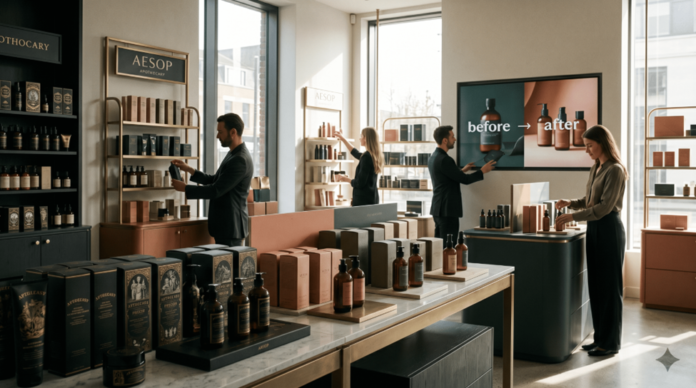

Every brand reaches a point where the existing visual identity starts feeling outdated. Sometimes the problem is obvious. Engagement drops, campaigns begin looking repetitive and competitors suddenly feel more modern. In other cases, the change happens gradually. The branding still works, but it no longer creates the same excitement or attention it once did.
That is usually when companies start thinking about a brand refresh. A brand refresh does not always mean a complete rebrand. Many businesses simply want updated visuals, fresher campaign styles, stronger social media presence, or a more modern creative direction that better matches current audience expectations.
The challenge is that refresh campaigns require a huge amount of visual experimentation. Brands often test different aesthetics, campaign moods, layouts, styling approaches and creative identities before deciding what direction feels right. Traditional workflows can make this process slow and expensive, especially when several teams and stakeholders are involved.
This is one reason why platforms like Higgsfield are becoming increasingly useful during brand refresh projects. An ai image generator helps teams experiment with updated visual directions much faster while allowing brands to compare multiple creative concepts before entering full production.
Modern brand refresh campaigns now depend heavily on speed, testing and visual flexibility.
Why are more brands refreshing their visual identity now?
Digital trends change quickly. A campaign style that looked modern three years ago may already feel outdated today. Social media platforms constantly influence design trends, audience expectations and visual preferences.
Consumers also spend more time online now, which means they notice branding details much faster than before. Colors, typography, layouts, photography style, campaign mood and overall visual tone all shape how people perceive a company. If a brand continues using the same creative approach for too long, audiences may start ignoring the content completely.
This happens frequently on social media. Users scroll through enormous amounts of content every day, so repetitive visuals lose impact over time. Many brands refresh their visual identity simply because they want campaigns to feel current again.
Some businesses refresh branding during product launches, expansion into new markets, seasonal repositioning, or leadership changes. Others do it because audience behavior shifts and the old presentation style no longer connects effectively.
Regardless of the reason, modern refresh campaigns usually require large-scale visual experimentation before brands finalize the new direction.
Why do traditional brand refresh projects take so long?
Most brand refresh campaigns involve several creative stages. Teams review old campaigns, collect references, build mood boards, compare design direction and test different visual systems before production begins. Then come stakeholder reviews, revision rounds, creative debates and approval delays.
That process can take weeks or even months. Another issue is uncertainty.
During a refresh campaign, brands rarely know the exact direction they want immediately. Teams often explore several styles before finding one that feels right for the audience and business goals.
For example, a fashion brand may test:
1. Minimal luxury aesthetics
2. Bold social first visuals
3. Lifestyle driven campaigns
4. Editorial inspired presentation
5. Softer premium branding
Traditionally, testing all these directions would require extensive manual design work and multiple production drafts.
As the number of creative concepts increases, production timelines become harder to manage.
This is one reason why many businesses now use faster experimentation workflows during rebranding and refresh projects.
How does an AI image generator help during brand refresh campaigns?
An ai image generator gives teams the ability to explore visual directions much faster.
Instead of spending days creating mockups manually, marketers and designers can generate several campaign styles and compare them early in the process.
Higgsfield helps brands experiment with updated visual identities before committing fully to production. For example, a skincare company planning a refresh may want to compare soft minimal aesthetics against luxury-inspired editorial visuals. A travel brand may explore vibrant social-first content alongside more cinematic campaign styles.
Instead of relying only on references or written descriptions, teams can visualize multiple concepts quickly and discuss actual creative directions.
That changes the speed of creative decision-making significantly. An ai image generator also reduces the risk of investing heavily in a visual direction that may not connect with the audience later.
Why are social media teams using AI-generated visuals during refresh campaigns?
Social media usually becomes one of the first places where audiences notice a brand refresh. People immediately recognize changes in color tone, visual mood, photography style, graphics and campaign structure across platforms like Instagram, TikTok and Pinterest.
Because of this, social teams often lead the early experimentation stage during refresh projects.
The problem is that social content moves quickly and brands cannot afford long production delays while testing new directions. Higgsfield helps social teams explore updated visual identities faster through an ai image generator workflow designed for rapid concept testing.
Teams can compare different campaign aesthetics, social-first layouts and visual styles before rolling out larger campaigns across platforms.
This flexibility allows brands to test audience response gradually instead of committing immediately to one visual direction. That approach usually creates smoother transitions during rebranding and refresh campaigns.
Why are ecommerce brands investing more in visual refresh campaigns?
Ecommerce brands depend heavily on presentation. Customers often judge products based on visual identity before reading descriptions or pricing information. If a store looks outdated or repetitive, customer interest usually drops over time.
This is why ecommerce companies regularly refresh campaign visuals, product presentation styles and promotional design systems.
A refresh campaign may include:
1. Updated product photography direction
2. New social media aesthetics
3. Modernized marketplace visuals
4. Revised promotional layouts
5. Fresh seasonal campaign styles
Higgsfield helps ecommerce teams experiment with these directions much faster.
An ai image generator allows marketers to test updated visual identities across product campaigns, paid advertising creatives and social content without rebuilding every asset manually.
This gives ecommerce businesses more flexibility during rebranding projects while reducing creative production pressure.
Why are agencies adopting AI-assisted workflows for brand refresh projects?
Creative agencies often manage refresh campaigns for several clients at once.
Clients expect quick concept development, multiple visual directions and strong creative alignment before approving final production. Traditional workflows can slow this process down because agencies spend large amounts of time building presentations, mockups and campaign drafts manually.
Higgsfield helps agencies simplify early stage experimentation during refresh campaigns.
An ai image generator allows creative teams to generate several brand directions quickly, which improves communication with clients and speeds up creative approvals.
Agencies can also adapt concepts more easily based on feedback because testing new visual styles becomes much faster. That flexibility is especially valuable during projects where clients remain unsure about the final creative direction early in the process.
Why does faster experimentation improve refresh campaigns?
Brand refresh campaigns involve a lot of creative uncertainty. Teams often need time to figure out what visual identity feels modern without losing the existing brand recognition audiences already trust.
Faster experimentation helps solve this problem.
Higgsfield allows teams to compare several visual directions early, which makes creative discussions more practical and less dependent on abstract ideas. An ai image generator also helps brands identify weak concepts before investing heavily in production resources.
Instead of revising campaigns repeatedly later, teams can refine visual identity much earlier in the process. This usually improves workflow efficiency while reducing unnecessary delays and creative revisions.
Why are AI image generators becoming essential for modern brand refresh strategies?
Brand refresh campaigns now move faster than they did in the past. Businesses want quicker creative alignment, faster experimentation and more flexibility during concept development. Traditional workflows often struggle to support that level of speed efficiently.
This is why companies increasingly rely on Higgsfield during rebranding and refresh projects. An ai image generator helps teams explore updated visual identities, campaign aesthetics and creative directions much faster while still allowing room for collaboration and refinement.
As digital marketing continues evolving, brands that improve creative experimentation during refresh campaigns will likely adapt more successfully to changing audience expectations and visual trends.