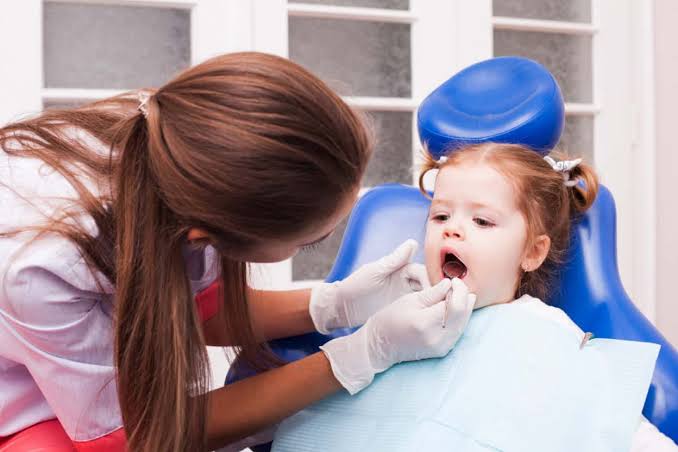

You see it in small moments. A child fights toothbrushing before bed, chews on candy all afternoon, or starts to fear the dentist before they even know what a visit is like. Parents often feel stuck between wanting to do everything right and dealing with real life, which is busy, messy, and full of routines that do not always go as planned. That is where early dental education helps, especially with guidance from a Silver Spring family dentist. It gives children simple habits, clear expectations, and less fear around oral care before small problems turn into painful or costly ones.
The value of teaching kids about oral health early is not just cleaner teeth. It means fewer cavities, better daily habits, more comfort in the dental chair, and a stronger link between oral health and overall health. For families looking for a family dentist, this matters because prevention starts long before a filling or an emergency visit. early oral health education shapes how children think about their teeth, their bodies, and their routines for years.
Early dental education builds habits before bad patterns take hold
Children learn through repetition. If brushing and flossing feel normal when they are young, those actions become part of the day instead of a constant argument. The opposite is true too. When oral care starts late, kids may already connect brushing with stress, discomfort, or being corrected. That can make even basic care feel like a battle.
This is one of the clearest benefits of dental education for children. They learn what teeth do, why sugar sticks around, and why brushing is not a punishment. A child who understands the reason behind a routine is often more willing to follow it. That does not mean every night becomes easy. It does mean the routine has a better chance of lasting.
Children with oral health knowledge often have fewer cavities and fewer painful surprises
Cavities rarely appear out of nowhere. They build slowly through missed brushing, frequent sugary snacks, and a lack of regular care. When children learn early how plaque works and why baby teeth still matter, they are more likely to protect them. Parents are also more likely to spot warning signs sooner, whether that is sensitivity, white spots, or bleeding gums.
The financial side of this hits hard for many families. Preventive care is usually easier on the budget than fillings, crowns, or urgent treatment after pain starts. A child who misses school because of tooth pain also affects the whole household. Work schedules shift, stress rises, and what could have been a quick lesson in prevention turns into a bigger disruption.
The CDC shares practical oral health tips for children that support this early prevention approach, including brushing with fluoride toothpaste and building healthy eating habits. These are simple steps, but they lower risk in a real way.
Early dental education reduces fear and makes dental visits feel normal
A lot of dental anxiety starts with the unknown. A child hears that the dentist is scary, then every visit feels tense before it begins. Early education changes that. When children know what a dentist does, why cleanings matter, and what common tools are for, they walk in with less fear.
You may have seen this yourself. One child climbs into the chair and asks questions. Another freezes at the door. The difference is often familiarity, not toughness. Kids do better when they know what to expect. A trusted family dentist can reinforce that by using simple language, calm explanations, and regular visits that are not tied to pain.
Teaching oral health early supports school performance and overall wellness
Tooth pain affects more than the mouth. It can interrupt sleep, make eating harder, and leave a child distracted in class. Some children stop smiling, talking, or eating certain foods because their mouth hurts. That changes confidence along with health.
Schools and health agencies recognize this connection. The CDC outlines how oral health affects school success and daily functioning, including attendance and learning. When children feel well, they participate more fully. That is one reason kids dental education matters beyond the bathroom sink. It supports the rest of childhood too.
Early oral care education helps families make better daily choices
Many parents are not dealing with a lack of effort. They are dealing with mixed messages. Juice seems harmless. Sticky snacks feel convenient. A child brushes for ten seconds and says they are done. Without guidance, these choices add up.
Good dental education gives families a clearer standard. Water becomes the easier default. Brushing for two minutes makes sense. Regular checkups stop feeling optional. This is where a generic root service like dental care becomes more practical and less reactive. You are not waiting for a problem to force a decision.
| Approach | What It Often Looks Like | Likely Outcome |
|---|---|---|
| Early dental education | Routine brushing, guidance on snacks, regular dental visits, less mystery around care | Lower cavity risk, less fear, better long term habits |
| Reactive dental care | Dental visits mainly after pain, limited oral health teaching, inconsistent routines | More treatment needs, higher stress, more resistance from children |
| Mixed routine at home | Brushing happens sometimes, sugary drinks are common, little supervision | Higher chance of plaque buildup, missed early warning signs |
Simple steps make early dental education easier to start
Keep the message small and consistent. Teach one idea at a time. Teeth need brushing in the morning and at night. Water helps your teeth. Sugar feeds germs. Children respond better to clear, repeated messages than long explanations.
Model the routine in plain sight. Brush your teeth with your child when you can. Children copy what they see. If oral care looks normal in your home, it feels less like a rule being forced on them.
Use regular dental visits as part of learning. A checkup is not just treatment. It is a chance for your child to hear the same message from another trusted adult, see that dental tools are not mysterious, and build comfort with preventive care.
The benefits of early dental education last well beyond childhood
Small lessons given early can spare a child pain, fear, and expensive treatment later. They also give parents something just as valuable, which is a clearer path forward. You do not need a perfect routine to make progress. You need steady habits, simple teaching, and support from a dental team that treats prevention as part of care, not an afterthought.
If your family is trying to build healthier habits, a family dentist can help turn those daily struggles into a plan that feels manageable and calm.