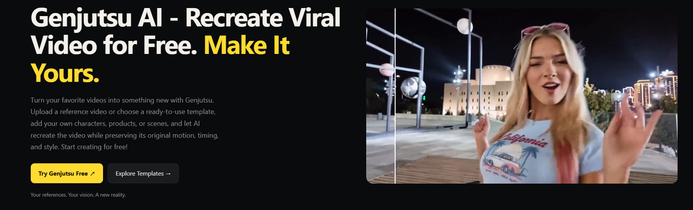

A familiar human reaction can become unexpectedly entertaining when the performer is an animal. A dignified rabbit refusing another meeting or a sleepy cat making a grand entrance gives an ordinary situation a new comic subject. An AI character replacement tool lets creators explore that substitution with reference footage and images. The useful question is which animal, action, and situation belong together strongly enough that a viewer understands the twist immediately.
Give the Animal a Recognizable Attitude
An animal replacement works best when it has more personality than a random species choice. An easily offended rabbit suggests different references from an enthusiastic dog or an unimpressed cat.
Write a premise that can fit several scenes: this rabbit responds to minor interruptions as though they are serious violations of etiquette. That gives you a selection rule for reactions, entrances, and refusals.
Choose reference images showing a consistent animal or original animal character. Distinctive markings, facial shape, and overall appearance can help connect different posts without requiring the same action every time.
The same reference-based workflow can be explored with different visual subjects and creative situations.
How to Create an Animal Version of a Familiar Video
Step 1: Choose an Action with a Clear Meaning
Look for a gesture viewers can understand without extensive context. A dramatic turn communicates refusal. A jump or broad celebration expresses excitement. A pause followed by a startled movement can suggest surprise.
Describe the event in a sentence before generating. If the joke depends on several hidden actions or a complicated conversation, a different reference may provide a clearer animal adaptation.
Use footage you have permission to adapt. When an available template already fits the scene, it can provide another starting point.
Step 2: Consider the Difference in Body Shape
Animal subjects may differ substantially from the human performer. Notice upright posture, limb crossings, finger gestures, and contact with furniture in the reference.
Choose the action around what needs to remain readable. If the intended joke is refusal, a clear turning-away gesture may be more useful than footage whose meaning depends on subtle hand movement.
This is a creative selection decision, not a promise that every animal will reproduce every action convincingly. The generated result needs review, especially around changes in pose and interaction.
Step 3: Prepare Clear Animal Images
Use images that show the face, outline, and distinctive features. Keep markings and appearance consistent across the references you select.
Decide whether your intended subject is a recognizable pet, a stylized animal, or an original animated figure. Avoid combining conflicting looks in one attempt, since that makes the desired replacement harder to assess.
Make a short checklist of the features that should survive the performance. For a rabbit, these might include ear shape, facial markings, and overall proportions.
Step 4: Request the Performer Replacement
For custom footage, upload the video and images, then identify which performer should change. Describe the animal and the main action you want the new version to follow.
A possible prompt is to replace the main performer with the uploaded rabbit character while following the original turn and camera framing. Keep the long ears and pale facial markings recognizable.
For templates, select the suitable action and upload replacement images. Built-in instructions let you proceed without writing your own prompt. Keep your first attempt centered on the main substitution.
Step 5: Review the Joke Before Adding More Effects
Watch the result at normal speed. Is the animal recognizable during the key moment? Does the gesture still express the intended emotion? Does the new subject make the situation more specific or surprising?
Then inspect appearance and continuity through turns and contact points. If the performer disappears at the payoff, a different reference or framing may help. If the animal changes noticeably, review the input images and simplify the requested transformation.
Add a concise setup that connects the behavior to a familiar situation. The caption should complete the joke without having to explain every visible detail.
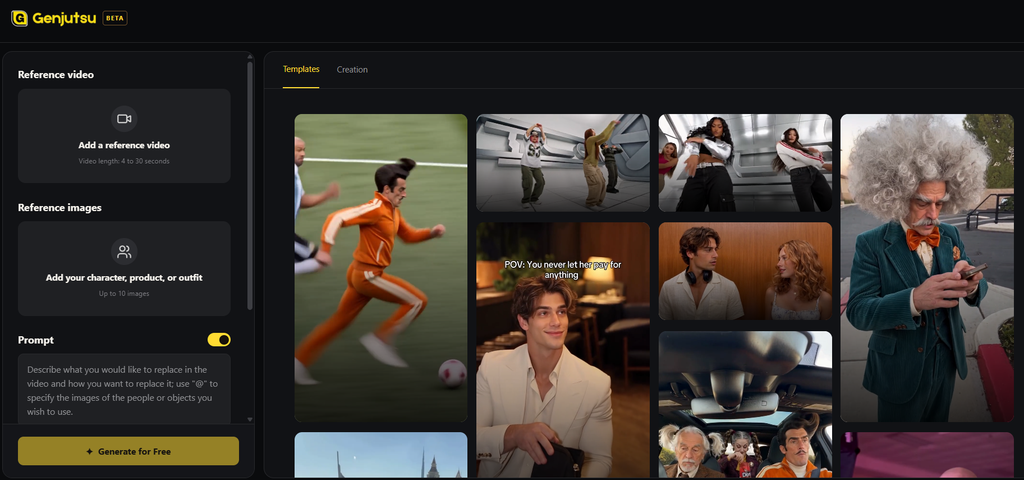
Select a compatible reference or template and use consistent images for the intended replacement subject.
Example Case: A Rabbit Receives Another Meeting Invitation
Imagine a fictional creator developing a dignified rabbit character who dislikes unnecessary interruptions. They choose a dramatic turning-away format for a joke about another meeting. This is an illustrative scenario, not a report of an actual generated result.
The creator prepares consistent rabbit images and requests the performer replacement. The proposed caption is “When the meeting gets a follow-up meeting.” The ordinary frustration and overly serious behavior supply the comic contrast.
Review would focus on the face, ears, proportions, and readability of the turn. If the movement hides the rabbit during the important moment, the creator could choose a reference with a clearer side view or more open gesture.
If the visual result works but the joke feels generic, the creator can make the situation more specific to the rabbit’s personality. Later posts could show the same subject reacting to a late delivery or an interrupted nap.
Develop a Character, Not Just a Substitution
Ask someone who has not read your brief to describe the animal’s attitude and the situation. If they see the rabbit but cannot identify the refusal, inspect the action. If the refusal is clear but its cause is confusing, improve the setup. This makes feedback specific enough to guide a useful change rather than another arbitrary attempt.
Keep notes about which animal behaviors and human situations create an understandable contrast. Consistent appearance and attitude make it easier to plan a series than choosing a different animal for every unrelated trend.
An AI character replacement tool provides a way to explore these unexpected casting ideas from reference footage. Choose a clear gesture, a recognizable animal subject, and a situation that explains the reaction, then inspect the complete clip before deciding how to publish it.