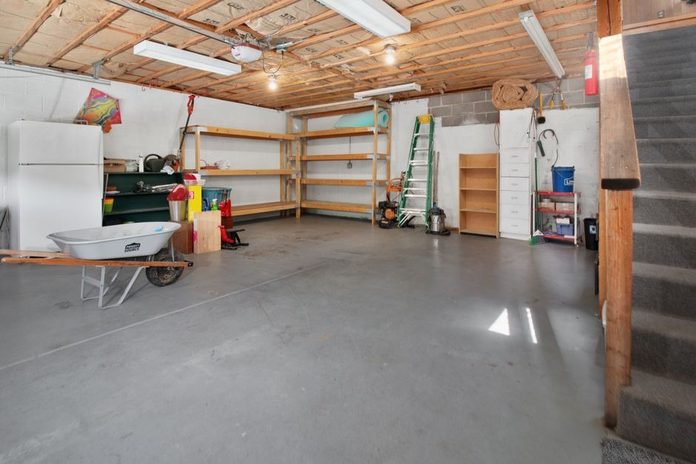

Your garage often becomes the easiest place to delay decisions. Old paint cans, broken shelves, sports gear, donation piles, and half-finished projects all end up there because they’re out of sight. After a while, that hidden storage zone starts affecting how you move through the rest of your home. A proper garage cleanout isn’t only about appearances. It changes safety, storage capacity, maintenance habits, and even how useful your square footage feels day to day.
Clutter in the Garage Spreads Further Than You Think
A packed garage rarely stays contained. Once floor space disappears, overflow starts creeping into closets, mudrooms, laundry areas, and even spare bedrooms. You can see the pattern in a lot of homes: seasonal bins stacked in hallways, tools sitting in kitchen drawers, and car supplies shoved into corners where they don’t belong.
The issue isn’t only mess. It’s friction. Every time you need to find jumper cables, holiday lights, or a drill bit, you waste time sorting through unrelated stuff. That repeated inconvenience changes how you use your home. Instead of treating storage as a system, you start treating every surface as temporary holding space. A garage cleanout interrupts that cycle and gives your household a clear logistical reset.
A Real Cleanout Works Better When You Sort by Use, Not by Emotion
The hardest part of clearing a garage usually isn’t lifting heavy items. It’s deciding what still deserves space. People often sort by memory: gifts, abandoned hobbies, old kids’ gear, duplicate tools kept “just in case.” That approach slows everything down.
A better method is utility-based sorting. Make categories around actual use frequency and purpose: weekly, seasonal, emergency-only, donation, recycling, hazardous disposal, and trash. That gives you a cleaner decision framework. One good test is simple: if you forgot you owned it and wouldn’t buy it again today, it probably shouldn’t stay. For larger loads or years of accumulated debris, some homeowners look into garage cleanout services when the job involves bulky hauling, sorting pressure, or disposal logistics that go beyond a normal weekend cleanup.
You Gain Back Functional Square Footage, Not Just Empty Space
When people talk about cleaning out a garage, they usually focus on getting rid of junk. The bigger payoff is function. Once you reclaim that area, you can use it for parking, organized storage, a home gym corner, hobby workbench, bike station, or storm-prep supplies.
That matters because garages are one of the few flexible-use areas in a house. Unlike bedrooms or kitchens, they can shift with your needs. A family with teenagers might need sports equipment zones and charging shelves for scooters. Someone working in the trades may need labeled bins for hardware and jobsite tools. If your car finally fits inside again, you also reduce weather exposure, which can help preserve paint, trim, and battery performance over time.
The Safety Risks Are Usually More Serious Than They Look
Garage clutter creates hazards that people tend to underestimate. Tripping over extension cords or unstable boxes is the obvious part. Less obvious problems tend to be the expensive ones: blocked access to electrical panels, poor ventilation around chemicals, pest-friendly hiding spots, and flammable materials stored near water heaters.
Paint thinner, gasoline, propane canisters, old batteries, and broken appliances don’t belong in random piles. In many garages, they sit mixed together with cardboard, fabric, and scrap wood. That combination raises fire risk and complicates emergency access. A cleanout gives you the chance to separate hazardous waste, identify what needs special disposal, and create aisle space that lets you move safely. If you’ve ever had to drag a leaking bag around sharp tools, you already know how fast a minor inconvenience turns into a real problem.
The U.S. Fire Administration offers practical advice on basement and garage fire safety, including keeping combustible materials away from heat sources and maintaining clear access to essential equipment.
Disposal Rules Matter More Now Than They Did a Few Years Ago
Garage junk isn’t all landfill material, and that distinction matters. Municipal disposal rules have tightened in many areas, especially around e-waste, chemicals, paint, tires, batteries, and appliances. You can’t always toss everything into a curbside bin and move on.
That creates a practical challenge during cleanouts. One pile may need a donation drop-off, another may need scrap metal recycling, and another may require a county hazardous waste facility appointment. If you ignore those distinctions, you risk fines, rejected pickups, or environmental damage. It helps to check your local sanitation department before cleanup day and plan categories around actual disposal routes. A clean garage feels good, but a clean garage achieved through compliant disposal gives you fewer headaches after the fact.
The Environmental Protection Agency explains how to identify and safely manage household hazardous waste, including paints, solvents, batteries, and other materials that may need special disposal.
Storage Systems Only Work After the Junk Is Gone
A lot of people buy shelves, pegboards, hooks, and ceiling racks too early. It feels productive, but storage products can’t fix clutter if the volume is still wrong. You end up organizing items you never needed to keep.
The right order is purge first, then zone, then install storage. Once you know what remains, you can assign categories with some precision: automotive supplies together, garden tools on one wall, holiday bins up high, frequently used items at arm level. Clear containers help when labels stay visible. Wall-mounted systems free up floor space, which improves cleaning and keeps moisture from damaging stored items. Good garage organization is less about making everything look uniform and more about reducing retrieval time. If you can grab what you need in under a minute, the system is probably working.
A Cleaner Garage Changes Household Habits More Than You’d Expect
One successful cleanout often triggers better home maintenance across the board. When the garage becomes usable again, people are more likely to return items where they belong, donate things sooner, and avoid “deal with it later” piles. The space starts teaching a different habit loop.
You may notice smaller ripple effects too. Yard work gets easier when tools are accessible. Weekend projects start faster when supplies are visible. Seasonal transitions become less chaotic because decorations, fans, heaters, and sports gear each have defined zones. Even simple tasks like unloading groceries improve when you’re not squeezing past clutter. The garage stops being a holding pen for delayed decisions and becomes part of the home’s operating system. That shift is subtle at first, then obvious once you’ve lived with it for a few weeks.
Keeping It Clear Takes Maintenance, Not Perfection
A garage won’t stay clean by accident. It needs light maintenance, not obsessive upkeep. The most effective approach is a short monthly reset: toss obvious trash, return misplaced items, break down boxes, and check whether any new pile is forming near the door.
You’ll also want a rule for incoming items. If something enters the garage without an assigned spot, it usually becomes future clutter. Keep a donation bin ready, label zones clearly, and review seasonal gear before each weather shift. Once or twice a year, do a deeper pass for unused equipment, expired chemicals, and broken items waiting for repair that probably won’t happen. A garage doesn’t need showroom perfection to be valuable. It needs enough order to support the way you actually live, store, work, and move through your home.