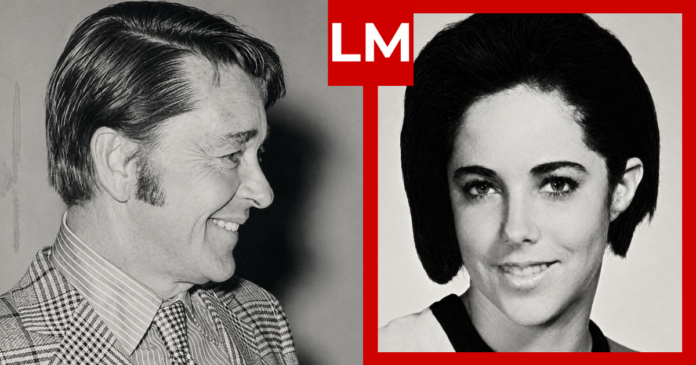

Nia Novella Travilla was born into Hollywood royalty as the daughter of William Travilla, the legendary costume designer who dressed Marilyn Monroe. Despite this glamorous heritage, she chose a strikingly different path. Born on August 16, 1951, Nia Travilla rejected the entertainment industry entirely, dedicating her life to veterinary medicine instead. Her story raises intriguing questions about her personal choices: did Nia Novella Travilla have children, what defined her marriage to Jose L. Ariza, and why did she maintain such fierce privacy? This article explores her life, career, and the legacy she left behind when she passed away on October 1, 2002, at age 51.
Who Was Nia Novella Travilla: The Veterinarian Daughter of Hollywood Royalty
Born Into the Glamor of 1950s Hollywood
The veterinarian who would spend her life healing animals arrived on August 16, 1951, in Los Angeles, California. Nia Travilla entered the world just three days before her parents celebrated their seventh wedding anniversary, a timing that marked her as the product of a stable Hollywood union during an era when such relationships often crumbled under industry pressures. Los Angeles in 1951 still reflected the golden age of cinema, a city where studio lots dominated the landscape and film premieres lit up boulevards with searchlights and crowds.
Growing up during the 1950s and 1960s, she witnessed Hollywood’s glamorous world firsthand. Her childhood unfolded against a backdrop of film sets, costume fittings, and the creative energy that defined mid-century entertainment. The industry that captivated millions became her everyday reality, yet this proximity to fame would ultimately push her toward an entirely different calling.
Her Parents: William Travilla and Dona Drake
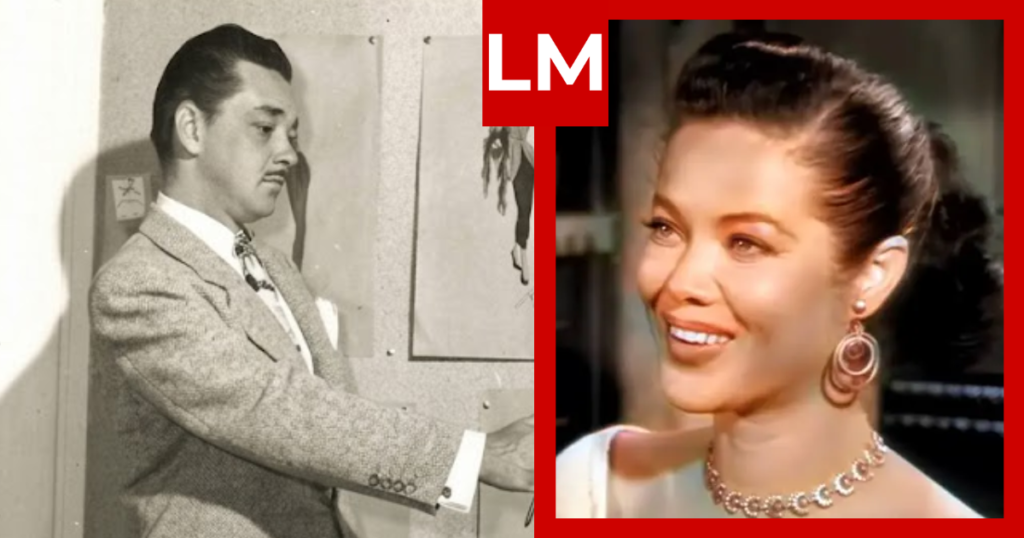
Nia Novella Travilla’s parents married on August 19, 1944, bringing together two distinct talents within Hollywood’s ecosystem. Her mother, Dona Drake, was born Eunice Westmoreland in Miami, Florida. Drake built a successful acting career as a talented actress and singer who appeared in films during the 1930s and 1940s. She navigated an industry marred by prejudice, with her African American heritage often reframed for survival in a business that rarely acknowledged such identities openly. Her filmography included notable works like Road to Morocco with Bob Hope and Bing Crosby.
Meanwhile, her father established himself as one of Hollywood’s most celebrated costume designers. William Travilla won an Oscar for his costume design work and dressed over 270 Hollywood stars during his career. He created some of the most memorable costumes in film history, specifically designing the famous white dress that Marilyn Monroe wore in The Seven Year Itch and the pink gown from Gentlemen Prefer Blondes. His sketches transformed into on-screen magic, shaping the visual language of mid-century glamor that still influences fashion.
Her maternal grandparents, rooted in the American South, represented steadiness and survival, their stories passed down as symbols of resilience. This heritage gave Nia an intimate understanding of identity’s complexities, particularly regarding William Travilla ethnicity questions that surrounded her multicultural family background.
Growing Up as an Only Child
As the sole child of William Travilla and Dona Drake, Nia received concentrated attention from parents whose demanding careers often consumed their time. By 1955, her parents’ marriage had unraveled, yet they maintained an unusual arrangement. The couple separated but never divorced, remaining tied by loyalty, history, and the daughter they both cherished. This unconventional family structure meant Nia grew up between households that embodied two faces of old Hollywood: one built on performance and reinvention, the other on artistry and precision.
The question of did Nia Novella Travilla have children would later be answered with a definitive no, as she had no children of her own. Her childhood as an only child shaped her path, receiving constant encouragement and emotional closeness throughout her formative years. Despite the spotlight connected to her parents’ success, she maintained privacy that allowed natural personality growth beyond public expectations.
William Travilla’s Legacy and the Shadow of Fame
The Costume Designer Who Dressed Marilyn Monroe
William Travilla’s career spanned over 40 years, stretching from film work in the 1940s to television productions in the 1980s. His most enduring work centered on Marilyn Monroe, for whom he designed costumes in eight films starting in 1952. The partnership between designer and star created some of cinema’s most recognizable images.
The white pleated dress from The Seven Year Itch became perhaps the most famous costume in film history. Each pleat was hand-formed and sewn into place, with metal boning molded to fit Monroe perfectly. Travilla dismissed it as “that silly little dress,” yet actress Debbie Reynolds purchased it for $200 after his death and later sold it at auction in 2011 for $4.6 million. The pink satin gown from Gentlemen Prefer Blondes carried equal weight. Travilla lined the silk-satin with felt, glued directly behind the fabric and hidden with black silk lining, creating a garment that appeared light but required v-shaped boning to stay in place.
Monroe trusted him completely, signing a calendar in the mid-1950s with the words: “Billy, dear, please dress me forever. I love you, Marilyn”. His portfolio extended far beyond one star. He dressed Whitney Houston, Lana Turner, Diahann Carroll, Sharon Tate, Dorothy Dandridge, Faye Dunaway, Judy Garland, Jane Russell, Betty Grable, and dozens more. He won the Academy Award in 1948 and earned Emmy Awards in 1980 for The Scarlett O’Hara War and in 1985 for Dallas.
What It Meant to Be a Travilla
The Travilla name carried weight in Hollywood circles. An exhibition of William Travilla’s personal collection began touring in 2008, traveling through England, Los Angeles, and Palm Springs. The collection included gowns worn by legends, his Oscar, patterns, sewing room artifacts, and original watercolor renderings. His fashion line, The Travilla Collection, sold in Saks and Neiman Marcus from 1950 until 2002, the year Nia Novella Travilla died.
Correspondingly, his influence shaped mid-century glamor in ways that persisted decades after his designs first appeared on screen. Biographer Kimberley Ashley observed that many celebrities of Hollywood’s golden era depended upon the Travilla touch for career success.
The Expectations That Came With Her Last Name
Growing up as William Travilla’s daughter meant living under the weight of his legacy. Celebrity children face immense pressure to follow parental footsteps, with the world watching and expecting similar trajectories. For Nia Travilla, her father represented not just professional success but cultural iconography. His sketches had become what one observer called “stagecraft alchemy”.
How Hollywood Fame Shaped Her Childhood
The environment Nia inhabited fused artistic innovation with disciplined hard work, values that profoundly shaped her worldview. Nevertheless, this upbringing also set the stage for her decision to forge an entirely separate path. She witnessed both the allure and demands of public life, understanding that fame came with loss of privacy, identity pressure, and constant performance scrutiny. The family values she absorbed came from an architect of image, an Academy Award winner whose genius was immortalized in cultural symbols that transcended film. This exposure to Hollywood’s mechanisms gave her intimate knowledge of what accepting the Travilla legacy would require.
Why Nia Chose Veterinary Medicine Over Entertainment
The Pull Toward Animal Care
Nia Novella Travilla showed no interest in the performing arts, a striking contrast for someone raised in the entertainment capital of the world. Science and the outdoors captured her attention from a young age. Animals drew her in ways that scripts and soundstages never could. This early fascination shaped her trajectory long before she formally declared her career intentions.
Her childhood revealed a pattern of preferences that pointed away from Hollywood. While her father sketched costume designs and her mother’s career flickered in the background, Nia gravitated toward biology, animal behavior, and the natural world. The pull was genuine, rooted in curiosity rather than rebellion.
Rejecting the Expected Path
Many assumed Nia travilla would follow her parents into entertainment or fashion. Her father’s connections and family background made a Hollywood career seem inevitable. Instead, she chose veterinary medicine, a deliberate departure from expectations that revealed much about her character.
The decision carried weight beyond personal preference. Celebrity children often face immense pressure to continue family traditions. Nia’s choice to pursue veterinary medicine became an act of carving out her own identity, separate from her parents’ towering legacy. She understood the entertainment industry through her father’s work, witnessing both its excitement and the difficult challenges that accompanied fame. This firsthand knowledge likely influenced her decision to choose a quieter, more meaningful path.
Education and Training in Veterinary Medicine
Veterinary medicine demanded years of rigorous study and licensing. She pursued a biology degree before entering the demanding training required to become a veterinarian. The path required courage and a deep-seated desire for different fulfillment.
Nia excelled academically, particularly in science courses. She graduated with honors from UC Davis School of Veterinary Medicine, one of the nation’s top programs. Her achievement gained additional significance when viewed within its historical context. In California during the late 1960s and early 1970s, becoming a veterinarian meant mastering anatomy, pharmacology, surgery, and animal behavior through approved programs. Less than 10% of veterinary students were women at the time, which makes her career success notably impressive.
Building Her Career in Oakland, California
Nia established her practice near Oakland, California, where she became known for compassionate care, steady hands, and genuine love for animals. Her professional focus included several key areas:
- Work with small animals and recognized expertise in Miniature Schnauzers
- Emphasis on ethical breeding and long-term health outcomes for small breeds
- Shelter volunteering and community events promoting spay/neuter practices[113]
- Education for first-time pet owners, delivered with practical, empathetic guidance
Her approach combined professional skill with deep understanding of animal needs. Former colleagues remembered her as someone who went beyond standard care by teaching pet owners, comforting grieving families, and advocating for responsible pet ownership. She took on challenging cases that other practices might have declined. Her reputation traveled quickly through pet-owner networks, built on humane counsel and uncommon patience.
Nia Novella Travilla’s Personal Life: Marriage, Family, and Privacy
Her Marriage to Jose L. Ariza (1971-1973)
In 1971, Nia married Jose L. Ariza, entering what would become a brief chapter in her personal history. Their marriage lasted two years before ending in divorce in 1973. Some accounts of her life present different details about her marital status, yet historical references indicate she experienced this brief marriage during her early adulthood. Nonetheless, one high-reliability source notes that claims about her personal life lack support from verifiable records, highlighting the privacy that surrounds even basic facts about nia novella travilla husband and marital history.
After the divorce, she never remarried. The decision to remain single for nearly three decades reflected intentional choices rather than circumstance. Accordingly, those who knew her described someone purposeful and independent, finding meaning through professional work and connections with animals rather than through public visibility.
Did Nia Novella Travilla Have Children?
The question of did nia novella travilla have children receives a definitive answer: she had no children[193]. After her divorce, she focused her time and energy on professional work and close personal relationships instead of pursuing motherhood. This path remained uncommon in Hollywood circles yet stayed completely authentic to her evolving values and priorities.
Choosing not to pursue parental roles never reduced her impact. By the same token, this decision strengthened her dedication toward career passions, advocacy efforts, and enduring values that defined her character. Friends and admirers noticed she felt fulfilled helping animals, supporting advocacy initiatives, and nurturing compassionate connections beyond public attention.
Maintaining Distance From Public Scrutiny
Living privately despite having famous parents suggests nia novella travilla valued stability, authenticity, and personal boundaries. She preferred meaningful connections over public attention, rejecting the performance society she grew up observing. This level of privacy remains increasingly rare, particularly for individuals connected to Hollywood families. Her life unfolded largely before the internet’s rise, and her distance from the entertainment industry contributed to the limited public record.
The Relationships That Mattered Most
The relationship between Nia and her parents appeared shaped by mutual respect and understanding. Despite, witnessing both the successes and struggles of William Travilla and Dona Drake likely gave her insight into realities behind Hollywood’s glamor. She maintained friendships rooted in the animal-care community, keeping her circle close and intentional. Those who knew her emphasized her kindness, intelligence, and deep commitment to animal welfare. Rather than embracing traditional family expectations common among celebrity children, she devoted herself to purposeful work and compassionate causes that genuinely inspired her daily existence.
Her Final Years and Lasting Impact on Animal Welfare
Working as a Compassionate Veterinarian
Her daily practice extended beyond medical treatment alone. Clients remembered someone who taught pet owners proper care techniques, comforted grieving families facing difficult decisions, and advocated tirelessly for responsible pet ownership. She assisted at local shelters, promoted community spay and neuter programs, and accepted challenging cases that other veterinary practices turned away. Her work with Miniature Schnauzers gained particular recognition, focusing on ethical breeding practices and long-term health outcomes. First-time pet owners received practical, empathetic education that equipped them for responsible animal care. Former colleagues described casework that left lasting impressions on families who remembered her life-saving interventions decades later.
Her Death in 2002 at Age 51
On October 1, 2002, nia novella travilla passed away in Oakland, California, following a private battle with illness. The exact cause of her death was never publicly disclosed, consistent with the privacy she maintained throughout her life. Her family chose cremation, a decision reflecting the quiet dignity that defined her existence.
How She’s Remembered by Those Who Knew Her
Her family established the Nia Travilla Memorial Scholarship at the UC Davis School of Veterinary Medicine. The scholarship supports students sharing her passion for wildlife and conservation. Additionally, one of her longtime clients created Nia’s Second Chance program, providing funding for veterinary care to low-income pet owners and animal rescue organizations across California. Pet owners shared emotional stories about how she saved their pets’ lives or provided comfort during difficult times.
Conclusion
Nia Novella Travilla’s story proves that meaningful legacies don’t require spotlights or red carpets. While her father dressed Hollywood’s biggest stars, she chose to heal animals and protect those without voices. Her decision to reject fame in favor of veterinary medicine demonstrated remarkable courage, especially given the expectations attached to her famous last name.
Above all, her impact endures through the scholarship supporting future veterinarians and Nia’s Second Chance program helping animals across California. She lived authentically, prioritizing compassion over celebrity, and in doing so, created a legacy entirely her own. Her life reminds us that true success means following your calling, regardless of where you were born.
FAQs
Q1. What difficulties did Nia Novella Travilla encounter in her veterinary career?
Nia faced emotionally demanding situations throughout her veterinary practice, including treating critically ill animals and guiding pet owners through heartbreaking end-of-life decisions. Despite these emotional challenges, she remained deeply dedicated to providing compassionate care for every animal she treated.
Q2. What was Dona Drake’s ethnic background?
Dona Drake was of African American heritage. Though she often presented herself as Hispanic and spoke Spanish, there is no documented evidence of Hispanic, Spanish, or Latin American ancestry. Her father was from Arkansas and her mother from Alabama, with census records showing her grandparents had mixed Black and White heritage.
Q3. What was Dona Drake’s birth name?
Dona Drake was born Eunice Westmoreland on November 15, 1914, in Florida. She was the daughter of Joseph Westmoreland from Arkansas and Novella Smith from Alabama.
Q4. Did Nia Novella Travilla have any children?
No, Nia Novella Travilla did not have children. After her brief marriage to Jose L. Ariza ended in 1973, she chose to focus her energy on her veterinary career and animal welfare advocacy rather than pursuing motherhood.
Q5. How is Nia Novella Travilla remembered today?
Nia’s legacy lives on through the Nia Travilla Memorial Scholarship at UC Davis School of Veterinary Medicine, which supports students passionate about wildlife and conservation, and through Nia’s Second Chance program, which provides veterinary care funding for low-income pet owners and animal rescue organizations throughout California.