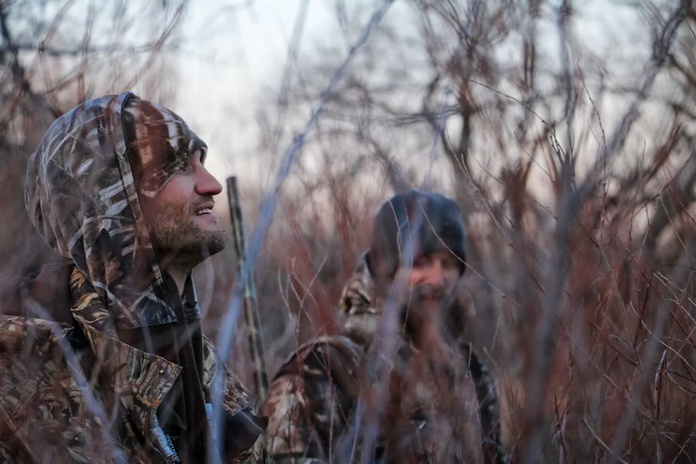

You can ruin your bird hunting trip before you pull off the driveway. There’s no guarantee a gate is going to be open or maybe you’ll remember your permit or you might not pack for what kind of weather you’ll receive that day.
By clearing these things up at home you’ll have less stress when you’re in the field.
Some things to start with when planning your bird hunting trip are…
What you’ll learn:
- Choose the Birds and a Place to Hunt
- Know Your Shotgun Before You Go
- Get the Licenses and Rules Straight
- Work Out the Route and Weather
- Pack for the Day, Not Just the Hunt
- Wrapping It Up
Choose the Birds and a Place to Hunt
First decide what type of bird you’re looking for then pick a location. Pheasants are going to call for different conditions than you would find at a local duck pond.
You may find yourself walking through grass and tall brush if you’re looking to hunt upland birds. Or maybe you’re going to be trekking through mud, standing in water, and carrying your equipment to the hunting location if you’re going after a waterfowl.
Don’t just choose a location that looks good on the map. Make sure you know if it’s public or private, if you can even hunt there, and who owns the property. Make sure you have permission from the land owner if needed. If it’s managed land you should know what the current guidelines are for that specific area.
You can learn a lot from these broad statistics about wildlife, however, they aren’t telling you how many birds are at your desired hunting location. In 2026 there was an estimate of 33.4 million Breeding Ducks by the US Fish & Wildlife Service in their normal area of study. This does not equal the amount of birds at your local pond.
Learn more about your specific habitat’s conditions at your desired location and always have a second location in mind. You never know what could happen once you arrive at your first hunting location.
Know Your Shotgun Before You Go
After you know what you’re going to be hunting, it’s best to become familiar with your shotgun that you plan on taking with you. Not saying you have to go out and purchase a new shotgun, just know what you’re taking with you and that it’s safe to use and fits you properly.
What determines shotgun size? There are many different ways you can measure gun gauges, the easiest being to think of the number of lead balls that would make a certain weight. So if you take 12 balls that are the size of your gun’s bore they would equal 1lb meaning the gun has a wider opening than that of a 20 gauge.
That’s why the 12 vs 20 gauge comparison involves several factors. One factor could be if you like to have a lighter gun for a bird hunting trip. Maybe you want something heavier, it’s all preference and feeling how much recoil your body can tolerate.
Make sure your shells correspond to your shotgun’s size and marking. Have shells that match your gauge and know the difference. There are many colors that resemble one another, so it’s best to look at the box of ammunition you’ll be using. Depending on your location there may be a specific shot you can use while hunting birds.
Become familiar with your gun before leaving, if you’re unsure ask a licensed instructor or professional on how to operate and what types of ammo is recommended for that specific gun.
Get the Licenses and Rules Straight
Know the laws and regulations at your destination. Different states have different season dates, and you may be able to hunt one species and not another during the same day.
Make sure you’re up to date with your licenses if you’re traveling within the US. You should be able to gather this information from your state wildlife department. It may include a hunting license, hunter safety, and special permits for the bird(s) you are hunting.
You must be HIP registered if you’re hunting migratory birds, in every state you wish to hunt them. Hunters 16 and up need a Federal Duck Stamp, or e-stamp, if they plan on hunting migratory waterfowl.
Depending on the regulations in your area, you may only be allowed to shoot non-toxic ammunition when hunting birds. Always make sure you know what type of shot your hunting area allows, some areas may have more strict laws about shot when hunting birds that aren’t listed above.
Be sure to save your information to have on hand in case your lost cell signal at your hunting location. Have a form of ID that states you’re licensed and HIP registered when hunting migratory birds.
Work Out the Route and Weather
Traveling to your destination, how will you be getting there? Can your vehicle fit on that road, or where will you be parking once you’re there? Maybe the hike from your parking lot to the hunting location is longer than you expected.
When the distance looks small on a map, it’s always harder once you’re on foot, through the muck and brush. Be sure to double check where you’ll be entering the location, have your map on your phone, and allow enough time to get there. If the location you’re hunting requires you to show up early, have that in mind when leaving your house.
Weather will change your clothing needs, rain may cause flooding or prevent you from traveling on a certain road. Strong winds may affect your ability to stand in the open if you’re hunting wetlands. If it’s hot, bring more water than you think you’ll need.
Check the weather when you decide to go and then double check the next day before your trip. Water is always something to check when traveling to wetlands, it may force you to not take a certain path to get to your hunting location or change your location all together.
Always have a backup plan, if you’re hunting with other people make sure everyone knows where to meet up if anyone gets lost. Tell someone at home where you’re going and what time you should be back, you may not have a cell signal in the area. If you’re flying, transport unloaded firearms in locked, hard-sided cases in checked baggage and declare them to the airline, following TSA and airline rules. Also, double check with your airline and the state laws where you’re flying too and coming back from.
Pack for the Day, Not Just the Hunt
It’s always good to pack for more than your time spent hunting. Here are some things to bring on your trip:
- Clothing: Footwear suited to the ground, layers for the forecast, rain protection, and highly visible clothing where required.
- Personal essentials: Water, food, any needed medication, and eye and hearing protection.
- Navigation and safety: An offline map, charged phone, backup light, and basic first-aid kit.
- Hunting supplies: A suitable case, correctly matched legal ammunition, and practical gear for carrying and caring for harvested birds.
Try not to pack too much, it’s always nice to have that extra bit of equipment, but it becomes hard to lug around if you’re going a distance to your hunting location. Have a plan on what you’ll need most and place them in easily accessible locations on your gear.
If you’re bringing your dog, don’t forget their supplies and water. They’ll be needing to rest and have a good time too, know what temperatures they can handle outside and be prepared for different terrains they’ll be walking through.
Remember you’re returning home, you’ll need to pack out whatever you kill, and be mindful to keep your car clean and haul out your trash when leaving the hunting location.
Wrapping It Up
You never know what you’re going to encounter on a bird hunting trip, but these steps can help prepare you for your hunting experience. Know your location, have the right paperwork, and be prepared if the hunting grounds are not what you expected.