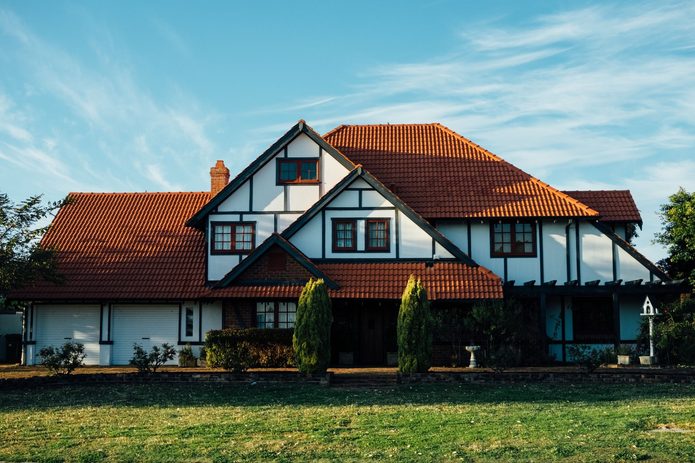

If you own a mid-century or split-level home in Southeastern Pennsylvania, you already know how hard the local weather pushes your house. Freezing winter nights followed by sunny afternoons strain older roofing systems year after year, and scorching July heat adds another layer of stress.
Understanding how these shifting seasons affect your roof helps you plan smart upgrades before small problems turn into major repairs. With a clear eye on vulnerability and modern materials, you can keep your home comfortable and dry through every forecast.
How Do Temperature Swings Wear Down Shingles and Flashing?
Older asphalt shingles lose protective mineral granules when freezing water expands inside tiny cracks and summer sun bakes the surface. Once those granules wash away into your gutters, ultraviolet rays hit the asphalt directly and dry it out faster. Brittle shingles curl, crack, or blow off during brisk gusts, leaving the roof deck exposed.
Flashing around chimneys, vents, and roof valleys faces similar pressure as metal expands in heat and contracts in cold. Nails back out over decades of thermal movement, breaking seals that once kept rain and melting snow outside. Guidance from the U.S. Department of Energy Building Science Education notes that sealing the eaves applies to Climate Zone 5 and higher, showing how climate context shapes cold-weather detailing.
Sealants on aging step flashing and pipe boots dry out long before the underlying metal wears thin. When water slips past a split collar or loose seam, it travels down rafters and soaks insulation quietly. Catching loose fasteners or cracked caulk early saves you from ceiling stains and wood rot.
Quick Check for Chimney and Vent Flashing
- Inspect metal edges: Look for gaps where metal meets brick or siding.
- Check rubber boots: Spot cracked or split collars around plumbing vent pipes.
- Watch for rust: Notice orange streaks that signal trapped moisture.
What Early Warning Signs Should You Spot in Your Attic and Gutters?
Checking your gutters after a rainstorm gives you an instant readout on shingle health. Heavy piles of dark, sandy granules mean your shingles are shedding their protective shield at an accelerated pace.
Your attic tells the rest of the story whenever temperatures swing sharply. Energy Star explains that letting natural outdoor air flow through your attic in winter keeps the space cold, which lowers the chance of ice damming.
How Can You Spot Moisture and Heat Traps?
Climb up on a dry day with a flashlight and look across the underside of your roof decking. Dark water stains, damp insulation, or frost near the eaves point to air leaks or trapped humidity. According to the National Weather Service, attic insulation should reach at least R-30, with R-38 preferred in northern climates.
Scan roof sheathing. Look for dark spots or streaks along nail heads. Measure insulation depth. Check if batts or blown-in fill sit below joist tops. Clear gutter downspouts. Remove leaves and shingle grit so water drains freely.
How Do Modern Materials Improve Efficiency and Storm Resilience?
Upgrading an older roof lets you pair heavier architectural shingles with better airflow and stronger water barriers. Modern architectural shingles feature thicker construction and stronger sealants that handle wind and summer heat better than basic three-tab shingles. Across Delaware County, homeowners who need dependable roofing in Springfield, PA, or another area often look for full-system upgrades that address both surface wear and hidden ventilation gaps.
Pairing synthetic or ice-and-water underlayment with balanced intake and exhaust vents keeps your home steady through every season. Cool attics reduce winter ice buildup while helping your air conditioner work less hard during sticky August heat waves.
How Do Roof Slopes and Pitch Affect Drainage?
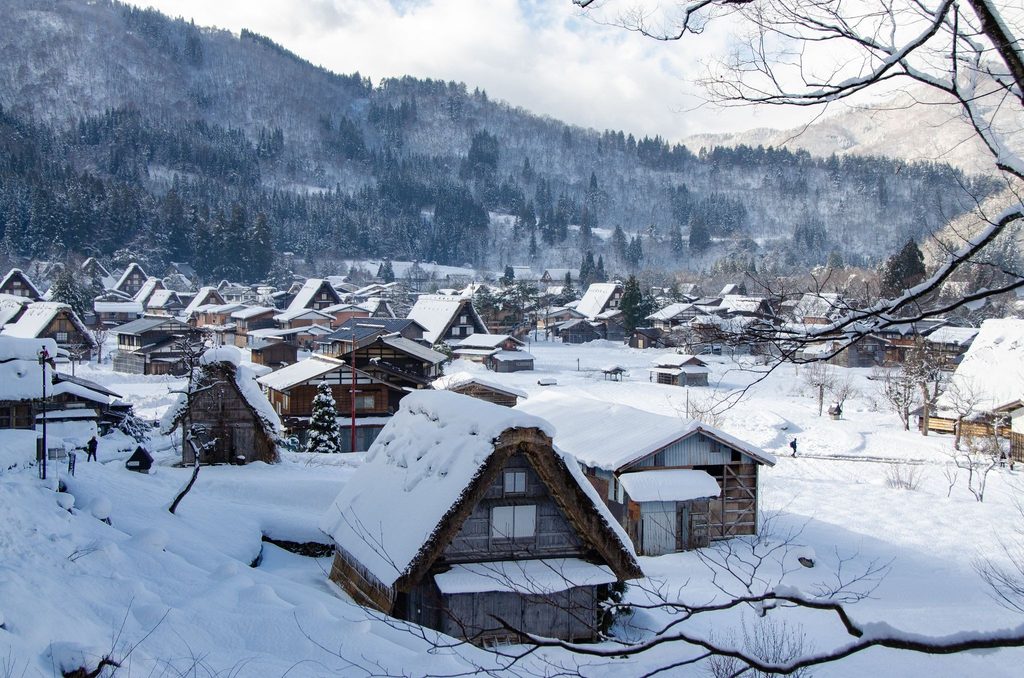
Steeper roof pitches on mid-century homes shed rain and snowmelt much faster than low-slope sections. Standing water lingers longer on shallower angles, giving moisture extra time to test seams and fasteners. Checking transitions between steep main roofs and flatter porch extensions helps you catch slow drainage before leaks start.
You can also clear debris from valleys where two roof planes meet so runoff flows straight into your gutters. Look closely at the flashing along those low-slope joints during heavy rain to spot any water backing up under shingle edges. Upgrading vulnerable low-slope sections with a fully adhered membrane adds extra protection against pooling water.
Can You Time Roof Replacement Around Local Weather?
Mild spring or autumn days give roofing crews steady temperatures for shingle adhesives to seal properly. Extreme summer heat can soften shingles under foot traffic, while freezing cold makes materials stiff and brittle. Booking your project during calmer weather helps you get cleaner installation results and fewer delays.
Scheduling an inspection a few months before your preferred season gives you plenty of time to pick colors and order materials. Keep an eye on extended forecasts with your contractor so sudden rainstorms never catch an exposed roof deck off guard. Planning ahead lets you avoid peak emergency rushes after severe winter storms hit the region.
How Do You Compare Contractor Estimates Fairly?
Ask every contractor for an itemized quote that lists tear-off labor, underlayment type, ventilation upgrades, and disposal fees. Comparing identical line items lets you spot shortcuts that might lower the upfront price but shorten your roof life. Clear written scope details give you confidence when choosing who works on your home.
Check each bid to see whether they include replacing damaged plywood decking or upgrading aging pipe boots and chimney flashing. Ask for proof of local licensing, liability insurance, and manufacturer certifications before signing any contract. Reviewing warranty terms for both materials and workmanship protects your investment long after the crew cleans up your yard.
What Layering Details Make the Biggest Difference?
A balanced roof system treats shingles, underlayment, insulation, and vents as one working team. When intake vents at the soffits match exhaust vents near the ridge, warm air escapes smoothly instead of baking the roof deck. Tight air sealing between your living space and the attic keeps conditioned air where you pay for it.
Planning a Full Roof Upgrade
- Ask about underlayment: Confirm where ice-and-water shield goes along eaves and valleys.
- Verify vent balance: Make sure soffit intake and ridge exhaust match properly.
- Review shingle ratings: Check wind and impact ratings suited to local storms.
Proactive inspections and timely roof upgrades keep moisture out of your home and steady your heating and cooling bills all year long. Paying attention to early clues in your gutters and attic gives you time to budget without panic. A well-built roof lets you enjoy your mid-century home with confidence in every season.