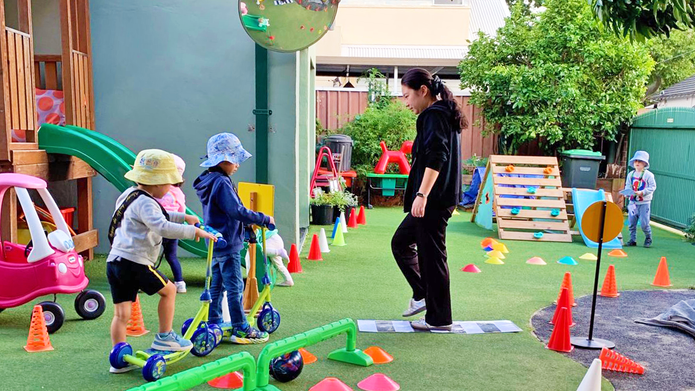

Your child is growing up quickly. They’re asking more questions, becoming curious about other children and showing signs of wanting to do things independently. Before long, you find yourself wondering whether it’s time for preschool. But how do you know if they’re genuinely ready?
Starting preschool is a significant milestone, and children develop at different rates. Some are excited about meeting new friends, while others feel nervous about unfamiliar surroundings. Being ready doesn’t mean your child needs to be completely independent, know their alphabet or follow every instruction perfectly.
Instead, readiness involves a combination of social, emotional and practical skills that continue developing through early childhood. Visiting early learning centres, whether you’re researching child care Strathfield or exploring options closer to home, can help you understand how different programmes support children during this transition.
Your Child Shows Interest in Other Children
One encouraging sign is when your child begins showing curiosity about other children.
They might watch others playing at the park, attempt to join group activities or enjoy spending time with familiar friends.
However, children don’t need to be naturally outgoing to enjoy preschool.
Some prefer observing before participating, while others need encouragement to feel comfortable in group settings.
Preschool provides opportunities to practise sharing, cooperation and communication, so these skills don’t need to be fully developed beforehand.
They Can Communicate Their Basic Needs
Being able to communicate helps children feel more confident when they’re away from their parents.
Your child might ask for water, explain when they’re uncomfortable or let an adult know they need assistance.
Communication doesn’t necessarily mean speaking in complete sentences.
Gestures, simple words and other communication methods can all help children express themselves.
If your child has difficulty communicating, speak with the educators about how they can provide appropriate support.
The goal is ensuring your child has ways to communicate their needs and feels comfortable asking for help.
They’re Becoming Familiar With Daily Routines
Preschool usually follows a predictable schedule involving play, meals, outdoor activities and rest periods.
Children who are beginning to understand everyday routines may find this structure easier to navigate.
For example, your child might recognise that washing hands comes before eating or that toys are packed away after playtime.
You can encourage these skills at home through simple, consistent routines.
Try involving your child in preparing their bag, putting away toys or getting dressed.
These activities help build familiarity with responsibilities without placing unnecessary pressure on them.
They’re Developing Some Independence
Preschool encourages children to become more confident doing things for themselves.
Your child may already be showing an interest in choosing clothes, feeding themselves or attempting simple tasks without assistance.
Useful skills to encourage include:
- Washing hands with appropriate support.
- Putting belongings away after using them.
- Making simple choices between activities.
- Asking adults for assistance.
- Participating in basic daily routines.
Remember that independence develops gradually.
Children aren’t expected to arrive at preschool knowing how to manage everything without help.
Separation Anxiety Doesn’t Automatically Mean They’re Not Ready
Some children become upset when separated from their parents, even when they’re otherwise confident and curious.
Separation anxiety is common during early childhood and doesn’t necessarily indicate that preschool should be delayed.
If possible, arrange orientation visits so your child can explore the environment while you’re nearby.
Talk about the activities they’ll experience and explain when you’ll return to collect them.
A predictable goodbye routine can also provide reassurance.
If your child remains distressed throughout the day rather than gradually settling, discuss additional support strategies with the educators.
Consider Their Individual Personality and Needs
There’s no universal checklist that determines whether every child is ready for preschool.
Some children need extra support with communication, emotional regulation or sensory sensitivities. Others simply take longer to feel comfortable in unfamiliar environments.
Look for a centre that responds to these differences rather than expecting every child to behave the same way.
Ask how educators manage settling-in periods, communicate with families and adapt activities to individual developmental needs.
Help Your Child Feel Ready at Their Own Pace
Preparing for preschool doesn’t need to involve formal lessons or complicated activities.
Reading together, encouraging independence and providing opportunities for social interaction can help your child build confidence.
Most importantly, avoid comparing their progress with other children.
Preschool is a place where children continue learning important skills, not somewhere they must arrive having mastered them.
With patient encouragement, supportive educators and an environment suited to their needs, your child can begin this new chapter feeling increasingly secure, curious and ready to explore.