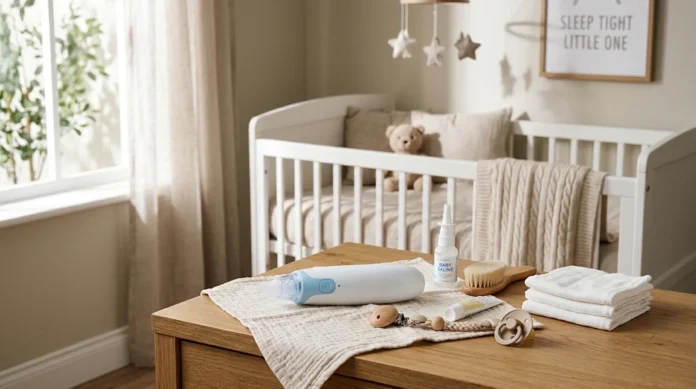

Parents often seek effective methods to ensure their infants breathe comfortably, especially when congestion arises. A baby nasal aspirator is an essential tool designed to aid in clearing a baby’s nasal passages, promoting easier breathing and better sleep.
What Is a Baby Nasal Aspirator?
A baby nasal aspirator is a device used to remove mucus from a baby’s nose safely and hygienically. Infants are unable to blow their noses, which can cause discomfort, feeding difficulties, and disturbed sleep if their nasal passages become congested. Using a nasal aspirator helps alleviate these issues promptly.
Types of Baby Nasal Aspirators
Manual Bulb Aspirators
Manual bulb aspirators are the most traditional and commonly used devices. They consist of a soft bulb attached to a narrow tip, which is gently inserted into the nose to suction out mucus when the bulb is released. They are simple, affordable, and do not require batteries or electricity.
Electric Nasal Aspirators
Electric nasal aspirators operate using a motorised suction mechanism to clear nasal passages. These devices usually offer adjustable suction levels and are convenient to use; however, they require batteries or charging and tend to be more expensive.
Oral Suction Aspirators
Oral suction aspirators rely on the caregiver’s gentle sucking to create suction. Equipped with filters to prevent mucus from reaching the mouth, these aspirators allow precise control over suction strength, ensuring safety for the infant.
Advantages of Using Baby Nasal Aspirators
Using a baby nasal aspirator offers several benefits. Primarily, it provides relief from nasal congestion, enabling the baby to breathe more easily. Improved airflow assists with feeding and reduces irritability linked to nasal blockage. Furthermore, it can help prevent complications such as ear infections.
How to Use a Baby Nasal Aspirator Safely
Ensuring safe and effective use of a nasal aspirator is paramount. Clean hands and the device should be ensured prior to use. Gently insert the tip into one nostril and activate suction to remove mucus. It is crucial to avoid inserting the tip too far to prevent nasal irritation or injury. Repeat as necessary on the other nostril.
Cleaning and Maintenance
Maintaining hygiene is important to prevent infections. After each use, the nasal aspirator should be disassembled and washed with warm soapy water. Components should be thoroughly dried before reassembly. Regular sanitisation, according to manufacturer guidelines, ensures the device remains safe for subsequent use.
Factors to Consider When Choosing a Baby Nasal Aspirator
Several factors influence the choice of an appropriate nasal aspirator. Comfort and safety features such as soft tips and gentle suction are essential. Ease of cleaning and durability are also significant considerations. Additionally, consider the frequency of use and portability for convenience.
When to Consult a Healthcare Professional
If nasal congestion persists despite using an aspirator, or if the baby exhibits signs of respiratory distress, high fever, or persistent coughing, it is important to seek advice from a healthcare professional. Proper diagnosis and treatment may be necessary to address underlying causes.
Benefits of Purchasing from Snotty Noses Australia Pty Ltd
Snotty Noses Australia Pty Ltd offers a comprehensive range of high-quality baby nasal aspirators designed to meet diverse needs. Their products are reliable, easy to use, and manufactured with strict safety standards. Purchasing from Snotty Noses assures a dependable solution for infant nasal care.
Conclusion
For parents seeking effective and safe solutions to nasal congestion in babies, a baby nasal aspirator is an indispensable tool. Understanding the types available and correct usage techniques can significantly enhance the comfort and well-being of infants. Reliable suppliers such as Snotty Noses Australia Pty Ltd ensure access to quality nasal aspirators, making the process as straightforward as possible.