
Before a shift, paramedics check airway kits, oxygen equipment, medical bags and communication devices. In a crowded emergency response vehicle, finding one item can involve opening several drawers or moving other supplies aside. Poor organization adds unnecessary steps to routine work.
Smart storage design involves more than fitting extra compartments into a vehicle. It assigns equipment a logical location based on frequency of use, securement needs and accessibility. Well-planned emergency vehicle storage systems help teams use limited space effectively while maintaining consistent equipment layouts.
Why Equipment Organization Matters During Emergency Response
Emergency crews carry items with different sizes, handling requirements and usage patterns. A compact first aid kit may need a different storage location from an oxygen cylinder or larger medical bag. Using available space as needed can confuse crews rotating between vehicles.
A consistent arrangement makes pre-shift inspections more straightforward. Staff can identify missing supplies, check quantities and return equipment to its assigned compartment after a call. Defined locations also help new team members learn the layout. These benefits come from thoughtful organization, not simply adding storage capacity.
Organize Storage Around Equipment Access and Daily Use
First, review how crews use the vehicle. Which items are collected before entering a scene? Which supplies are checked at the start of each shift? Which equipment needs additional clearance for safe removal? Answers should guide compartment placement.
Different areas of the vehicle can support different tasks:
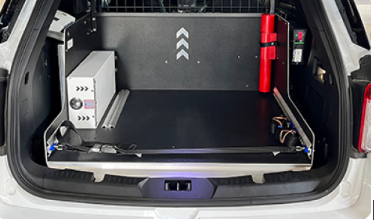
- Rear cargo storage: Drawers and trays can organize medical bags, larger supplies and other equipment that crews access from the back of the vehicle.
- Side storage compartments: Divided sections can separate frequently used items while making good use of available side space.
- Custom centre consoles: Dedicated spaces can accommodate compatible radio and computer equipment without leaving loose accessories around the cab.
The goal is to establish predictable locations. Crews should be able to identify the correct compartment quickly, while equipment remains properly secured whenever the vehicle is moving.
How Custom Compartments and Dividers Reduce Clutter
An oversized drawer becomes difficult to manage when small supplies shift or different items mix. Adjustable dividers let crews create sections based on equipment dimensions and inventory needs. Protective mats can also help limit unnecessary movement and wear inside drawers.
Brackets and holders provide dedicated positions for items such as fire extinguishers, flashlights and other compatible accessories. Meanwhile, separate compartments can distinguish regularly used equipment from backup stock.
Storage should remain adaptable. When a service changes its equipment inventory, adjustable layouts may be easier to revise than permanently fixed spaces. Before ordering, fleet managers should confirm available dimensions, mounting arrangements and the accessories supported by the chosen configuration.
Secure Equipment Without Compromising Accessibility
Accessible equipment must also stay restrained during vehicle movement. An unsecured medical bag or loose cylinder can shift under sudden braking, while an overloaded drawer may interfere with normal operation. Good storage planning considers how equipment is held in place as carefully as how it is retrieved.
Useful design features include:
- Secure drawer latches that prevent unintended opening during transport.
- Appropriate brackets and restraint straps that hold designated equipment in position.
- Durable slides and mounting hardware suited to the compartment and its intended load.
When comparing emergency vehicle storage systems, EMS teams should examine these features alongside their vehicle’s layout and equipment requirements.
Ontario’s Patient Care and Transportation Standards require equipment transported in an ambulance or emergency response vehicle to be properly restrained. Services should also follow applicable provincial requirements, manufacturer instructions and local operating procedures.
Match Storage Design to Vehicle Layout and EMS Workflows
A storage system suited to one vehicle may not fit another, even when both serve similar emergency response roles. Wheel wells, interior trim, seating positions and mounting points can affect available cargo space. Electrical equipment, spare tyres and existing vehicle fittings may further limit installation options.
Fleet managers should therefore assess the vehicle before selecting drawer sizes or compartment positions. Review how far drawers extend, whether doors can open fully and whether crews can remove heavier equipment without awkward lifting. Storage must not obstruct exits, seating, restraints or other essential vehicle functions.
Also consider future changes. If equipment types or quantities are likely to evolve, a configuration with adjustable sections may reduce the need for major alterations later. Confirm compatibility and installation instructions with the supplier.
Keep Storage Systems Organized Through Routine Inspections
Even a carefully planned layout needs regular attention. During vehicle checks, crews should inspect latches, slides, brackets and restraint points for damage or looseness. Confirm that equipment is in place and drawers close correctly.
Simple labels and consistent restocking procedures can help maintain the layout between shifts. Report worn components promptly and follow the manufacturer’s cleaning and maintenance instructions. Storage only remains useful when the system is kept in working condition.
Building a More Organized Emergency Response Vehicle
Effective storage starts with understanding the equipment crews carry and the tasks they perform. Clearly planned compartments, adjustable dividers and suitable restraints help make supplies easier to locate while keeping equipment secure during transport.
The right emergency vehicle storage systems should fit the vehicle, support everyday workflows and allow practical inspection and maintenance. Before upgrading a fleet, review current storage problems, confirm compatibility and involve the people who use the vehicles daily. Their feedback can help create a more dependable, organized working environment.