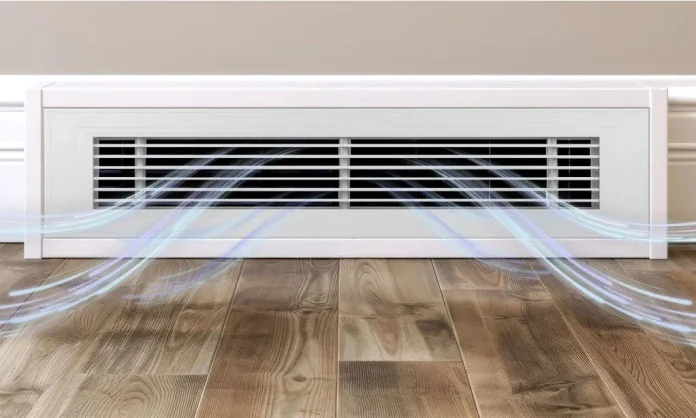

Phelan sits in a high desert pocket where hot, windy afternoons give way to crisp nights. Those swings, plus dust and low humidity, put HVAC systems under a different kind of stress than coastal or urban climates. If your home struggles with rooms that never quite reach setpoint, whistling vents, or fine dust that reappears hours after cleaning, the cause often traces back to airflow and duct details rather than the equipment label alone. This article outlines a practical sequence for homeowners: understand the local climate effects, correct airflow and duct leaks, choose filtration that does not choke the blower, and then select heating and cooling equipment that fits the job.
- What High Desert Conditions Do to Heating and Cooling
Dust carried by the wind infiltrates through unsealed returns and leaky ducts, loads filters faster, and coats the evaporator coil. That raises static pressure, cuts airflow across the coil, and can force longer run times to reach setpoint. Large temperature swings between day and night also expose weak spots in duct design. Wide temperature differentials push undersized return paths and long supply runs to their limits, which is why one room feels stuffy while the thermostat reads fine. For additional context relevant to residential service throughout the year, readers can consult https://artofairhvac.com/ as they evaluate the steps below.
Because desert air is already dry, an oversized air conditioner can short cycle, failing to mix air through the home. Short cycles also reduce the time a filter sees airflow, so particulates settle in rooms instead. On chilly nights, a system with a fan speed that is too high may deliver air that feels drafty rather than warm, even if the furnace or heat pump is technically keeping up. Matching blower settings to duct capacity and load makes a noticeable comfort difference.
- Fix Airflow and Ductwork Before Replacing Equipment
Start with the duct system. A simple static pressure test across the air handler tells you whether the blower is fighting restriction. If numbers are high, look for undersized return ducts, crushed flex runs, or a restrictive one-inch filter cabinet. Adding a larger return plenum, smoothing kinks in flexible duct, and sealing seams with mastic or UL 181 tape can cut resistance without touching the equipment. When pressure drops into a healthy range, the blower wheel moves the air it was designed to move, which restores temperature split and reduces noise at registers.
Also check for leakage on both supply and return. Return leaks in a hot attic can pull in superheated, dusty air, sending it straight to the evaporator coil. Supplies that leak near the plenum can starve distant rooms. After sealing, rebalance dampers so every branch sees reasonable airflow. Avoid a common mistake: closing too many supply registers to “push” air elsewhere. That spikes static pressure, which can cause coil icing in cooling mode or make the ECM blower ramp up, increasing noise and energy use.
- Dust, Filtration, and Sealing: Comfort Without Choking Airflow
Homes along windy corridors need better than basic filtration, but more isn’t always better. High MERV one-inch filters can load quickly and create a steep pressure drop. A smarter route is a deeper media cabinet that accepts four- or five-inch filters. You get higher dust capture and longer life at a lower pressure penalty. If allergies or wildfire smoke are concerns, consider a media filter paired with a dedicated room purifier, rather than trying to turn the HVAC blower into a system for cleaning the entire house at the expense of airflow.
Air sealing complements filtration. Seal return boxes to framing, cap open panning, and use mastic on duct seams. This lowers the dust burden before it reaches the filter and keeps the evaporator coil, TXV, and secondary heat exchanger cleaner. One practical example: a single-story ranch with a long hall supply trunk and a filter grille at the front door. After adding a second return in the bedroom wing and sealing supply boots, the back rooms stopped running warm at 4 p.m., and the home’s persistent fine dust diminished because the system no longer pulled attic air through gaps around the old return.
- Heat Pump, Furnace, or Dual Fuel for Hot Days and Cold Nights
Once airflow is sorted, sizing and equipment type matter. In Phelan’s climate, a heat pump can handle most days efficiently, with the caveat that very cold nights may trigger longer defrost cycles or electric strip heat. A gas furnace paired with an appropriately sized AC remains a reliable option for brisk nights and afternoons with temperatures reaching triple digits. Some homeowners choose a dual-fuel setup that uses a heat pump until temperatures dip below a thermostat “lockout,” then shifts to furnace heat. The trade-off is upfront cost and control complexity versus precise comfort and energy savings across transitional seasons.
Whichever route you pick, match components that work well together. A variable speed compressor and an ECM blower can throttle capacity to track temperature spikes in the late afternoon, reducing short cycling. Just be sure the duct system can support lower and higher airflow stages without whistling or starving remote runs. Keep the condenser coil clear of tumbleweeds and yard debris, and verify refrigerant charge during spring service so the system is ready for the first heat wave.
Controls, Zoning, and Solutions for Individual Rooms
Controls shape everyday comfort. A smart thermostat with staging control can hold a steady indoor temperature by running low capacity longer, instead of blasting high for short bursts. In a home with doors often closed, consider pressure relief or dedicated returns in bedrooms to prevent imbalances that pull dust through exterior gaps. If you add zoning with motorized dampers, confirm your contractor sizes a proper bypass strategy or designs zones that keep static pressure within range when only one area calls for conditioning.
Individual rooms sometimes deserve their own system. A small ductless mini-split can handle a garage workshop or a sunroom that bakes each afternoon without forcing the central system to overcool the rest of the house. Another example: a corner home office with a window facing west and equipment heat. A mini-split there trims afternoon hotspots while the main system operates in low stage for the rest of the home. That approach often beats oversizing a central unit, which would worsen short cycling and dust distribution.
Pull the plan together with maintenance suited to the desert. Change filters more frequently during windy months, clear vegetation around the condenser, and rinse the outdoor coil gently before peak season. Have a technician check static pressure, blower cleanliness, and condensate drainage during service. Those small items protect big components like the compressor and heat exchanger. If you are weighing a replacement, insist on an appropriately sized load calculation and a duct evaluation first. In high desert towns like Phelan, comfort comes from a balanced system where ducts, filters, controls, and equipment share the load instead of fighting each other.
<iframe src=”https://www.google.com/maps/embed?pb=!1m18!1m12!1m3!1d3179.5812749818847!2d-117.5702954!3d34.4268777!2m3!1f0!2f0!3f0!3m2!1i1024!2i768!4f13.1!3m3!1m2!1s0x2afe23ea5d4317d7%3A0x4ea7fb9195a8a9e0!2sArt%20of%20Air!5e1!3m2!1sen!2sph!4v1793210711573!5m2!1sen!2sph” width=”600″ height=”450″ style=”border:0;” allowfullscreen=”” loading=”lazy” referrerpolicy=”strict-origin-when-cross-origin”></iframe>