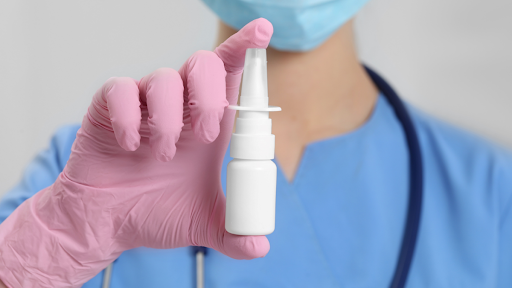

Finding the right treatment for depression can take time, especially when antidepressants haven’t provided enough relief. For some people, symptoms continue to affect their mood, relationships, work, and everyday routines despite trying different approaches. SPRAVATO treatment for depression offers another option for eligible patients with certain depressive conditions. Understanding how this treatment differs from traditional antidepressants can help people have more informed conversations with their mental health providers about their next steps.
Why Do Some People Need Another Depression Treatment Option?
Antidepressants help many people manage depression, but they don’t work equally well for everyone. Some individuals experience only partial improvement, while others struggle with side effects or continue to experience symptoms after trying more than one medication.
When depression remains difficult to manage, a healthcare professional may review the person’s treatment history and discuss other options. Depending on the individual’s diagnosis, previous treatment response, medical history, and preferences, these options may include psychotherapy, medication adjustments, or treatments such as SPRAVATO (esketamine) nasal spray.
Needing another treatment doesn’t mean someone has failed. Depression is complex, and finding an appropriate approach can involve reassessing symptoms and considering alternatives with a qualified professional.
What Makes SPRAVATO Different From Traditional Antidepressants?
SPRAVATO contains esketamine, a medication that acts on the brain’s glutamate system. Many commonly prescribed antidepressants affect neurotransmitter systems involving serotonin, norepinephrine, or both. Esketamine works differently, which is one reason it may be considered for certain patients whose depression hasn’t responded adequately to other treatments.
SPRAVATO is approved for specific uses in adults, including treatment-resistant depression. It is also approved, in conjunction with an oral antidepressant, for depressive symptoms in adults with major depressive disorder and acute suicidal ideation or behavior. These are distinct indications, and treatment eligibility depends on the applicable prescribing criteria and clinical assessment.
SPRAVATO isn’t suitable for everyone, and its different mechanism doesn’t guarantee a better result. A provider must consider the person’s symptoms, medical history, previous treatments, and potential risks before recommending it.
How Does SPRAVATO Work in the Brain?
To understand why esketamine may be useful for some patients, it helps to look at how it differs from more familiar antidepressants.
Esketamine acts on NMDA receptors, which are involved in the brain’s glutamate system. Glutamate plays a role in communication between nerve cells and in processes associated with learning and neural connections. Researchers believe that esketamine’s effects on this system may contribute to changes in neural signaling linked to mood.
You can read more about the mechanism in How Does Spravato Work in the Brain?.
Although research has advanced understanding of esketamine, its full antidepressant mechanism is not completely understood. It is more accurate to describe the treatment as working through a different pathway than to claim that it simply repairs the brain or guarantees rapid recovery.
The response also varies among individuals. A qualified clinician can explain what the evidence means for a particular patient’s circumstances.
What Happens During SPRAVATO Treatment?
SPRAVATO is administered as a nasal spray under direct supervision in an appropriate healthcare setting. Patients do not simply take the medication home for unsupervised use.
A treatment appointment generally involves several steps:
- Pre-treatment assessment: The healthcare team reviews relevant medical information and checks blood pressure before administration.
- Supervised administration: The patient uses the prescribed nasal spray according to the clinical team’s instructions.
- Post-treatment monitoring: The team observes the patient for side effects, including sedation, dissociation, and changes in blood pressure.
- Discharge assessment: The patient is assessed before leaving the treatment setting.
Patients must be monitored for at least two hours after each session, with additional observation when clinically necessary. They also need to arrange transportation home and must not drive or operate machinery until the next day after a restful night’s sleep.
These precautions are important because SPRAVATO can cause dizziness, sleepiness, dissociation, nausea, and increased blood pressure. It also carries more serious risks, which is why supervised administration and monitoring are essential.
Who Might Be Considered for SPRAVATO?
A person who continues to experience depression symptoms despite treatment may wonder whether SPRAVATO is appropriate. The answer depends on the specific diagnosis and the individual’s medical and treatment history.
For treatment-resistant depression, a provider will generally review previous antidepressant treatments, how long they were used, the response to each, and any side effects. The clinician will also assess current symptoms and other factors that could affect safety.
Certain medical conditions may make SPRAVATO unsuitable or require particular caution. For example, its effects on blood pressure are important for people with specific vascular conditions. A provider must also review other medications and relevant health concerns.
An online article cannot determine whether someone qualifies. A professional assessment is the appropriate way to understand whether SPRAVATO or another treatment option may be suitable.
Can SPRAVATO Be Part of a Broader Depression Care Plan?
Yes. Depression care may involve more than one approach, depending on a person’s needs and clinical recommendations. Some patients may receive medication alongside psychotherapy or other forms of support. The appropriate combination depends on the diagnosis, treatment goals, and safety considerations.
SPRAVATO’s approved use differs by indication. For treatment-resistant depression, it may be prescribed on its own or alongside an oral antidepressant, depending on the treatment plan and applicable prescribing information. For its separate indication involving depressive symptoms in adults with major depressive disorder and acute suicidal ideation or behavior, it is used with an oral antidepressant.
It is important not to stop or change existing medication without guidance from the prescribing clinician. Any adjustment should be discussed as part of an individualized treatment plan.
At Family Care Psychiatry, people exploring depression care can learn about available services and discuss questions with a qualified mental health professional. Understanding the possible benefits, limitations, and safety requirements of each option can make treatment decisions more informed.
What Should You Ask Your Provider Before Starting?
If your provider raises SPRAVATO as a possibility, asking questions can help you understand what treatment involves and whether it aligns with your needs.
Consider discussing:
- Why might SPRAVATO be appropriate for my diagnosis and treatment history?
- What benefits can reasonably be expected, and what remains uncertain?
- Which side effects should I watch for during and after treatment?
- How will my blood pressure and overall condition be monitored?
- What transportation and preparation arrangements will I need?
- How will we assess my progress and decide whether treatment should continue?
You can also ask about other available treatments, including their potential benefits, limitations, and practical requirements. A good treatment decision should reflect your individual circumstances rather than pressure to choose one option over another.
Exploring Your Next Step in Depression Care
Living with ongoing depression symptoms can be frustrating, particularly when previous treatments haven’t provided enough relief. SPRAVATO offers a different treatment approach for adults who meet specific clinical criteria, but it also requires careful evaluation, supervised administration, and ongoing assessment.
Family Care Psychiatry provides information about mental health services for people exploring their care options. Speaking with a qualified professional can help you review your treatment history, understand potential alternatives, and decide which questions to address next.
If you’re researching SPRAVATO treatment for depression, Family Care Psychiatry can be a starting point for learning about available services and preparing for a clinical discussion. No treatment works for everyone, so the focus should remain on finding an appropriate, evidence-based plan for your needs.
The next step doesn’t have to be a decision made all at once. Learning about your options and discussing them with a healthcare professional can help you move forward with a clearer understanding of the choices available.