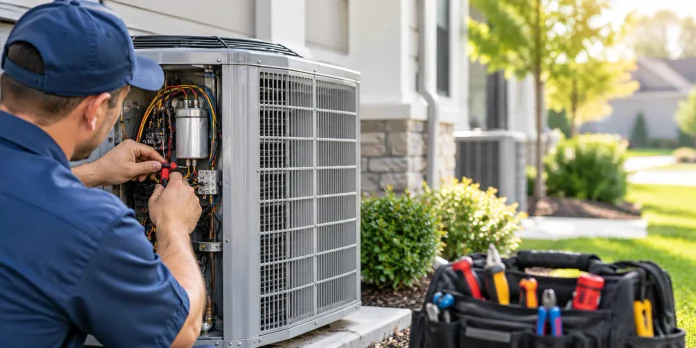

Hickory’s four-season weather puts heat pumps, furnaces, and air conditioners through wide temperature swings. When a system falters, the difference between a quick fix and a long outage often comes down to how quickly you spot the right clues. This guide focuses on home HVAC repair in Hickory, NC, showing you how to spot early symptoms, understand likely causes in our climate, and do safe checks before scheduling a visit. The goal is not to replace a technician, but to help you make a practical decision with better information and avoid missteps that can make a small problem worse.
- Early Symptoms That Point To Trouble
Warm air from vents during cooling, weak airflow, short cycling, or a sudden jump in your electric bill often point to airflow restrictions or failing electrical components. Ice on the heat pump in summer, a musty smell near the air handler, or water around the indoor unit can signal a clogged filter, a frozen evaporator coil, or a blocked condensate drain. If you see tripped breakers, hear a loud hum from the outdoor condenser without the compressor starting, or notice the blower turning on and off rapidly, call a professional. After completing basic checks, homeowners can explore options through resources like residential HVAC services by Anytime Heating Cooling Repair‘s residential HVAC services.
In winter, brief clouds of steam from a heat pump are normal during a defrost cycle. Constant icing, however, is not. If the outdoor unit is encased in ice for hours or auxiliary heat never engages, the defrost control, outdoor sensor, or a heat strip sequencer may be involved. Similarly, if the outdoor fan runs but no cool air reaches the rooms in July, a failed capacitor may prevent the compressor from starting, or a low-refrigerant condition caused by a leak may be the cause.
- Likely Causes In Our Climate And Housing Stock
Hickory’s humid summers and frequent pollen spikes often clog filters faster than expected. A dirty filter raises static pressure, which reduces airflow across the evaporator coil. That coil can then drop below freezing, build ice, and eventually block airflow completely. The immediate symptom is warm air and a sweating or iced suction line at the outdoor unit. Letting the system run in that state can flood the compressor with liquid refrigerant after thawing, risking damage.
Low refrigerant charge rarely happens by chance; it usually indicates a leak at a flare fitting, service valve, or the evaporator coil itself. Adding refrigerant without a leak check only masks the cause. Other frequent culprits include a weak run capacitor or a pitted contactor in the condenser, which can prevent the compressor from starting under load. Inside, a clogged condensate line can lift the float switch and cut power to the air handler to prevent water damage. In crawlspace homes, leaky or crushed return ducts dilute airflow with hot attic or damp crawlspace air, creating comfort imbalances and high head pressure that can trip safeties on hot afternoons.
- Safe Checks Homeowners Can Do Before A Service Call
Confirm thermostat settings and power first. Set the mode correctly, replace thermostat batteries if present, and make sure the indoor unit door is fully closed so its interlock switch engages. Check the breaker panel for the air handler and condenser, then verify the outdoor disconnect is seated. Inspect the air filter; if it is loaded with dust, replace it. If you use high-filtration media, remember that dense MERV 13 filters can raise static pressure on older blowers; a clean MERV 8 often restores airflow better than an overdue MERV 13.
Look at the condensate system. If the drain pan is full or the float switch is up, shut the system off and clear the line at the cleanout with a wet-dry vacuum. Outside, remove debris from the condenser coil fins with a soft brush and garden hose, working from the inside out; never use a pressure washer. If ice is present on the indoor coil or suction line, turn the system off and run the blower only to thaw before further testing. Do not open refrigerant circuits, bypass safeties, or repeatedly reset high-pressure switches. Avoid closing supply registers to force air to certain rooms; that increases static pressure and can cause the same icing and short cycling you are trying to solve.
- Repair Now Or Plan For Replacement?
Age and failure pattern guide this decision. A 7-year-old heat pump with a failed blower motor or capacitor is a strong repair candidate. A 16-year-old system with repeated compressor trips, a leaking evaporator coil, and obsolete refrigerant may justify replacement, especially if the ductwork needs sealing or resizing to support a modern variable-speed air handler. The trade-off is upfront cost versus efficiency, warranty coverage, and reliability through Hickory’s peak seasons.
Consider refrigerant type, too. Older systems that use phased-out formulations are typically more expensive to service and harder to keep leak-free. Newer equipment with updated SEER2 and HSPF2 ratings can lower summer and shoulder-season bills, but savings depend on proper duct static pressure, charge verified by superheat or subcooling, and correct airflow across the coil. If a major repair estimate approaches a meaningful fraction of a new system, ask for both a repair quote and a right-sized replacement option that includes duct evaluation rather than focusing only on nameplate efficiency.
Preventing Repeat Breakdowns Before Peak Season
Routine maintenance right before summer and winter reduces mid-season surprises. A proper tune-up includes cleaning indoor and outdoor coils, flushing the condensate line, measuring total external static pressure, checking blower wheel cleanliness, testing capacitors and contactors under load, and verifying refrigerant charge using manufacturer targets. Test the heat pump’s defrost board, outdoor sensor, and auxiliary heat operation in cool weather, not during the first Arctic blast.
Small house-side changes matter. Keep at least two feet of clearance around the outdoor unit for airflow. Replace filters regularly based on actual conditions, not just a calendar reminder during pollen season. Seal accessible duct leaks with mastic rather than cloth duct tape, and avoid blocking returns with furniture. Program moderate thermostat setbacks so the heat pump doesn’t rely heavily on auxiliary heat after long setbacks on cold mornings. These steps reduce strain on the compressor, blower motor, and evaporator coil, lowering the chance of another no-cool or no-heat call when Hickory’s weather is at its most demanding.
Handled early, many HVAC issues remain small. Watch for coil icing, listen for hard starts at the condenser, and check the condensate pan to decide whether to try simple fixes or schedule a visit. When a repair is needed, clear observations help a technician quickly verify charge, airflow, and electrical health. With Hickory’s humidity and cold snaps, a little preventive attention between seasons keeps your system ready long before July heat or January chill arrives.
<iframe src=”https://www.google.com/maps/embed?pb=!1m18!1m12!1m3!1d3130.585000156428!2d-81.2195828!3d35.69467629999999!2m3!1f0!2f0!3f0!3m2!1i1024!2i768!4f13.1!3m3!1m2!1s0x885137095ddff3d9%3A0x73deb5d3979168b6!2sAnytime%20Heating%20Cooling%20Repair!5e1!3m2!1sen!2sph!4v1792409849658!5m2!1sen!2sph” width=”600″ height=”450″ style=”border:0;” allowfullscreen=”” loading=”lazy” referrerpolicy=”strict-origin-when-cross-origin”></iframe>