
Key Takeaways
- An as-is sale allows Kennewick homeowners to sell without completing repairs.
- Disclose known property issues and keep relevant maintenance and repair records.
- Compare repair costs, carrying expenses, and potential returns before deciding to renovate.
- Evaluate agent listings, private sales, and direct cash offers.
- Review written offers, fees, contingencies, and closing terms before accepting.
Selling a house that needs repairs can feel overwhelming, whether the issue is a worn roof, an unfinished project, years of deferred maintenance, or an inherited property that has become difficult to manage. Kennewick homeowners can explore several paths, including a traditional listing and direct-sale options such as https://everesthomebuyers.com/we-buy-houses-kennewick-wa/, before deciding what best fits their timing, budget, and goals. Comparing the available options can help sellers understand the potential costs and steps involved in each approach.
An as-is sale does not require a house to be perfect. It means the seller plans to transfer the property in its present condition rather than agreeing to complete repairs before closing. The approach can be practical for homes across Kennewick, from established neighborhoods near the Columbia River to properties with larger yards, aging systems, or renovation potential. Understanding the property’s current condition can help owners set realistic expectations before putting it on the market.
What “As-Is” Means When Selling a Home
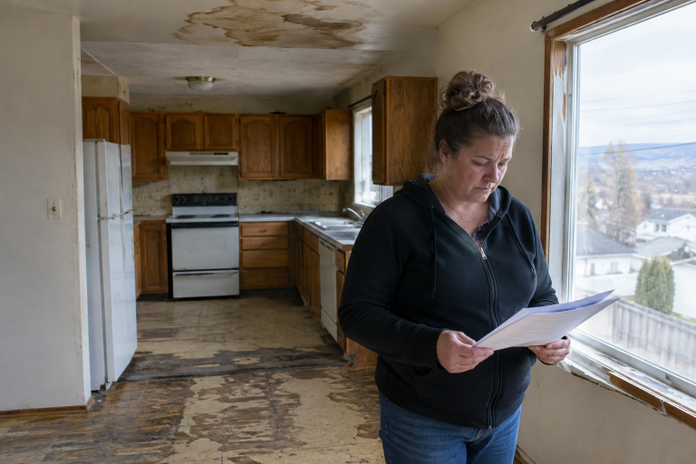
Buyers may still inspect an as-is home, ask questions, and decide whether to proceed. The label does not mean a seller can conceal known defects. Instead, it signals that the seller does not intend to make repairs as a condition of the sale. For example, a home with an older electrical panel, water staining, and a roof near the end of its useful life may be sold as-is if those known conditions are addressed honestly in the transaction.
How Local Conditions Can Affect a Kennewick Sale
Buyer demand, available inventory, financing costs, neighborhood, lot size, and the home’s condition can all affect price and time on market. A move-in-ready home may appeal to a broader group than one needing substantial work. For a grounded starting point, sellers can review public property records and assessment information, then compare recent nearby sales with help from a qualified real estate professional. An online estimate alone may not reflect a leaking roof, deferred maintenance, or an unusual layout.
Common Property Problems That Affect Buyers
Some buyers are comfortable taking on projects, while others need a home that can qualify easily for financing and occupancy. Concerns that commonly influence offers include:
- Roof leaks, aging heating or cooling equipment, plumbing leaks, and electrical concerns.
- Drainage problems, foundation movement, water intrusion, mold, or damaged subfloors.
- Dated kitchens, bathrooms, windows, flooring, insulation, or exterior finishes.
- Unfinished renovations, uncertain permits, clutter, tenant damage, or neglected landscaping.
Owners weighing a direct sale may also compare their options with cash home buyers in Seattle, WA, to better understand how cash offers, inspection terms, and closing schedules can differ from those in a financed sale.
Should You Repair the Home or Sell It As-Is?
The right answer depends on the likely return from the work, available cash, holding costs, and personal capacity to manage contractors. Repairs may be worthwhile when they address a clear safety concern, improve buyer appeal, and can be completed without consuming the expected gain. Basic cleanup, yard care, paint, and minor fixes can also make a meaningful difference in presentation.
An as-is sale may be more sensible when several major systems need replacement, the home is vacant or inherited, there is tenant damage, or the owner needs to move quickly. Before spending money, obtain written estimates and compare the anticipated repair value against the project’s cost, delay, and uncertainty.
How to Set a Fair As-Is Price and Choose a Selling Method
Price the house based on its present condition, not on what it might sell for after a renovation. Review comparable properties, adjust for location, size, age, lot, layout, and condition, then account for essential repairs, cleanup, and carrying costs such as loan payments, taxes, insurance, utilities, and maintenance.
Common Selling Options
- List with an agent: This can provide broad exposure, but may involve showings, negotiation, commissions, and repair requests.
- Sell privately: The owner handles pricing, marketing, buyer screening, contracts, and scheduling.
- Accept a direct cash offer: This can reduce preparation and financing risk, although an offer may reflect repair costs and the buyer’s risk.
Costs, Disclosures, and Reviewing Offers
Build a selling plan that includes repairs, hauling, cleaning, escrow and title charges, applicable service fees, and moving or storage expenses. Ask each buyer for proof of funds when appropriate, read every written agreement, and pay attention to inspection periods, cancellation rights, assignment clauses, requested credits, and the proposed closing date.
Washington law addresses seller disclosures for many residential transfers. Reviewing the state’s real property transfer disclosure requirements can help sellers understand the process, though certain transfers may be exempt. Keep records for permits, repairs, insurance claims, and contractor work. Estates, trusts, divorces, liens, and inherited properties can require additional documents, so legal or tax advice may be appropriate for complex situations.
A Simple As-Is Selling Timeline
- Gather property records, identify known issues, and decide whether repairs are realistic.
- Request more than one opinion of value and compare recent local sales.
- Compare listing, private sale, and direct offer terms based on estimated net proceeds.
- Review written offers carefully, complete disclosures, and confirm title and escrow steps before closing.
Mistakes to Avoid
- Pricing according to hoped-for renovated value.
- Starting costly work without estimates or a likely return.
- Ignoring monthly carrying costs while waiting for an ideal offer.
- Relying on verbal promises rather than a written contract.
- Choosing the highest price without comparing fees, contingencies, and closing certainty.
Final Thoughts
Selling a home as-is in Kennewick, Washington can be a reasonable solution when repairs are expensive, time is limited, or the property no longer fits the owner’s plans. A clear assessment of condition, costs, disclosure duties, and offer terms makes it easier to choose a path with fewer surprises.